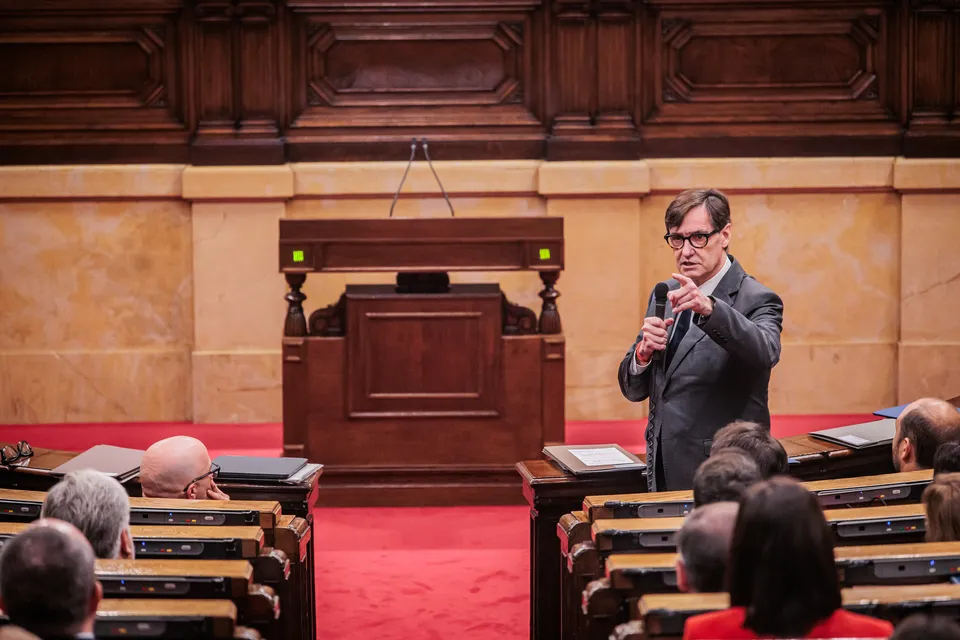
Illa steps up campaign role
Salvador Illa, President of the Catalan Government, will play a central role in the PSC’s upcoming general election campaign, party sources confirmed on Monday 9th November 2026. Illa is set to appear at key campaign events in Barcelona, Montmeló, Terrassa, and Sabadell in the run-up to the 29th November elections, starting with the official rally on Thursday evening in Barcelona. As leader of the PSC and a key ally of Prime Minister Pedro Sánchez, Illa has framed the election as a decisive moment for Catalonia’s future. He warned of an "involucionist coalition" should the PP and Vox gain power in Madrid, saying such an outcome would threaten Catalonia’s self-government, language, and financial agreements.
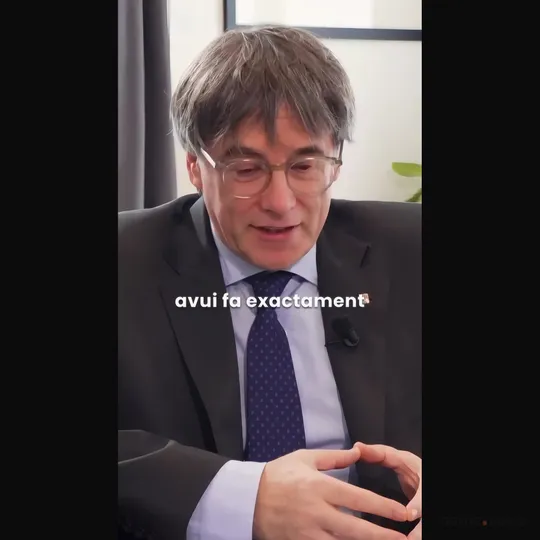
"It’s like a player not wanting to play the match,"
Illa said in a recent interview with Rac1, expressing his readiness to engage directly with voters during the campaign period.
Agreements at risk under right-wing government
Catalonia’s current government agenda relies heavily on cooperation with the Spanish executive. Key agreements on the Orbital Railway Line, the Investment Consortium, and governance of the Zona Franca Consortium (a major industrial and logistics zone in Barcelona) were ratified in joint State-Generalitat meetings earlier this year but are now on hold following the dissolution of the Cortes. Spokesperson Sílvia Paneque stated that the Catalan Government remains committed to its objectives: "We owe ourselves to the Catalans, we have charted very concrete paths and we will continue to defend them." However, PSC sources argue that progress depends on Sánchez’s re-election. They warn that a PP-Vox administration would halt ongoing negotiations on Catalonia’s financing model and the official status of Catalan in European institutions.
Language and identity in focus
Tensions over language policy intensified during a recent debate in Barcelona. Miriam Nogueras, head of Junts’ candidate list, claimed that a PP-Vox government would again block the use of Catalan in Congress. Xavier García Albiol, PP’s lead candidate in Barcelona, denied this, saying: "Nobody will prohibit anything for you." Nonetheless, Nogueras and Ernest Urtasun of Comuns-Front Ampli countered that Catalan is currently restricted in Congress, with only limited use allowed in the Senate and no simultaneous translation into Spanish for Catalan speakers. Juanjo Aizcorbe, Vox’s candidate, stated that all members would be free to speak in their preferred language. García Albiol also criticised current language policies, calling them a "failure" and arguing that despite heavy investment, Catalan usage is declining. He advocated for a "reassessment" based on academic rather than political criteria and called for both Catalan and Spanish to be promoted "naturally" across different regions.
Campaign stakes for Illa and Sánchez
Illa’s strategy has been built on institutional normalisation after the procés, supported by a stable relationship with Sánchez’s government. With Carles Puigdemont the only major independence figure still in exile, Illa has avoided open conflict with Madrid, something that could change under a Feijóo-led administration. The PSC is confident of maintaining its lead in Catalonia, aiming for 19 or more deputies. If national trends shift rightward, Illa could become the last major socialist leader in a key Spanish region, placing him at the centre of future state-Generalitat relations. Polls suggest the election will determine not only Spain’s national direction but also whether Catalonia’s current political model can survive.
Sources: Nació Digital, El Nacional.