Urgent push on flagship policies ahead of 2027 vote
Catalan President Salvador Illa has instructed his government to fast-track major reforms in education, housing and social care over the next four months. The directive comes as political uncertainty grows ahead of municipal elections in May 2027, with Illa seeking to advance key legislation while support from ERC and the Comuns remains viable. "This government will go straight to the point," Illa declared at a cabinet meeting held at the Monestir de les Avellanes in Os de Balaguer (Lleida) at the start of the new political term. With Barcelona's mayoral race looming and national funding negotiations still unresolved, the executive fears waning support from coalition partners.
Housing law faces legal challenge
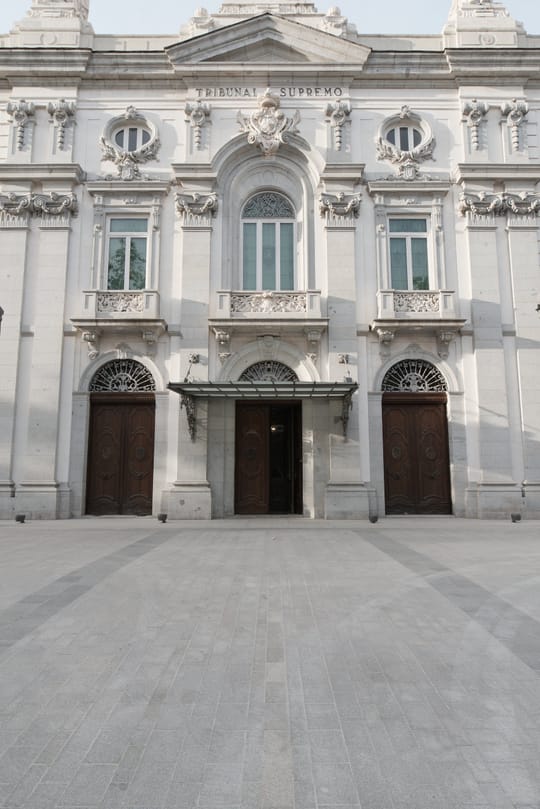
A central issue is a proposed law to limit speculative housing purchases, which has been challenged on constitutional grounds. The Consell de Garanties Estatutàries (CGE), an advisory body overseeing legal compliance in Catalonia, issued a unanimous non-binding opinion stating that the measure violates Articles 33 and 38 of the Spanish Constitution, which protect property rights and freedom of enterprise. The CGE also ruled that the bill infringes on state competences in contract law and breaches Article 129 of the Statute of Autonomy regarding civil law. The body further questioned the use of urgent parliamentary procedures, noting they bypass local representation and contravene Article 85 of the Statute and Rule 138 of the Parliament's internal regulations. The housing bill, initially registered by the Comuns and backed by the PSC, ERC and CUP, aims to restrict property ownership in high-demand areas to prevent speculative investment. However, its progress was halted by legal challenges from Junts and the PP, who referred it to the CGE in July 2026.
Education and social care reforms move forward
In education, pressure mounts ahead of a teachers' strike scheduled for 8 September. Education Minister Esther Niubó is set to announce new measures on Monday to ensure a smooth return to classrooms. The government claims to have allocated a "historic" €2.7 billion to improve teacher salaries and classroom conditions, following 25 strikes during the previous academic year. Meanwhile, the Pla Cura, designed to reduce waiting times for dependency benefits, has been formally approved by Parliament. The plan aims to cut average processing times from 400 days to under 60. According to official commitments, aid payments will be processed within two and a half months.
The goal is to make shared prosperity tangible in people's daily lives and ensure it registers at the ballot box.
The government also plans to intensify efforts to combat child poverty, assume full management of the minimum vital income scheme, and expand Mossos d'Esquadra personnel to strengthen public safety.
Illa’s strategy hinges on delivering visible results before the electoral cycle intensifies. With coalition dynamics shifting and legal hurdles mounting, the coming months will test whether his administration can turn flagship promises into measurable outcomes.
Primary sources: portaljuridic.gencat.cat. Reported by elperiodico.com, elDiario.es Catalunya, elmundo.es, rtve.es, elnacional.cat, ara.cat, parlament.cat, es.ara.cat, El Periódico (CA).
Related on Catalan.News
- Catalonia's Professional Public Management Law Faces Criticism
- Catalan Government to Use AI to Identify Empty Homes
- Salvador Illa's 15 Overseas Trips in Two Years
- Junts demands PSC sign new police coordination deal