Coordinated Looting via Digital Network
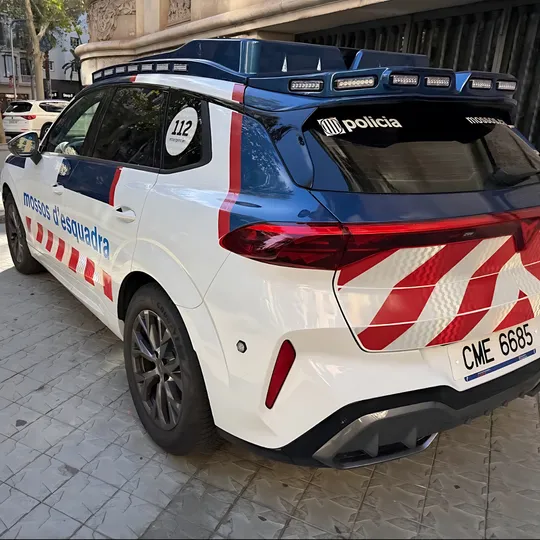
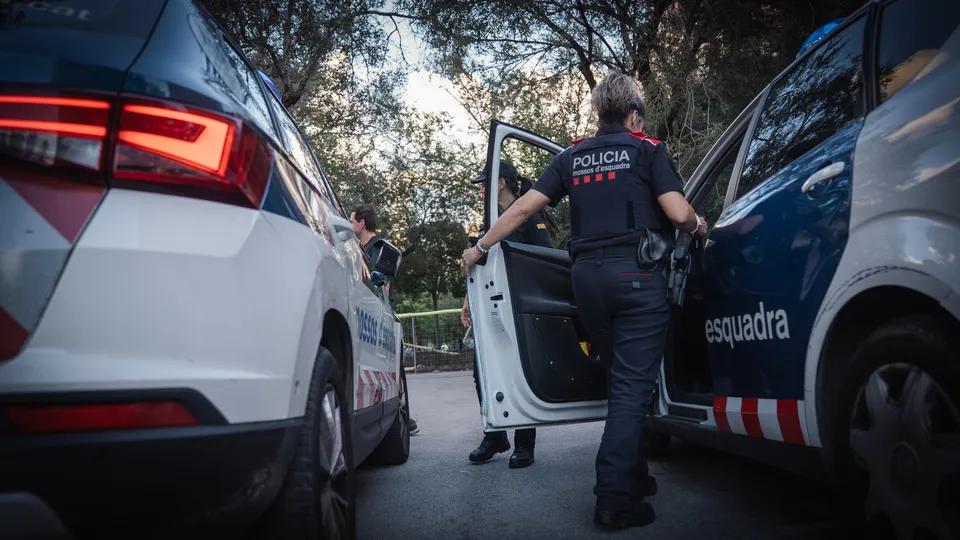
A report by the General Information Commissariat of the Mossos d'Esquadra (Catalan police force) has revealed the digital infrastructure behind the looting in central Barcelona on Saturday 24th October 2026. The investigation found that the platform 'Blocus' operated not as a spontaneous protest movement, but as a virtual coordination space designed to exploit public disorder for criminal purposes. The report, submitted to the court investigating the organisers of 'Blocus', details how police infiltrated internal communication channels used to plan assaults on luxury stores under the cover of street chaos.
TikTok Posts Led to WhatsApp Groups
Police trace the operation’s origins to Wednesday 21st October, when two profiles on TikTok, one under the username @manifestaciones.bcn, shared posters calling for 'Blocus October 24', each accompanied by a QR code. Scanning these codes redirected users to public WhatsApp communities, including 'Manifestaciones BCN', which had 661 members, and 'Manifestación sin permiso'. Agents successfully extracted the full content from these groups.
Themed Subgroups for Logistics and Targets
From these main channels, a compartmentalised network emerged, with participants sorted into thematic subgroups. These included:
- General: for overall coordination
- Clothing: advising on attire to avoid identification by CCTV or officers
- Essentials: sharing tips on evading police checkpoints
Meeting points and real-time updates on police movements were shared in advance. The selection of targets was coordinated through a dedicated chat named 'Joyerías bcn 24 de octubre', which began with 64 members. This group focused exclusively on identifying high-value commercial premises.
Luxury Stores in the Crosshairs
Participants in the 'Joyerías bcn 24 de octubre' chat created a map of priority targets in central Barcelona. Repeatedly mentioned establishments included jewellery stores, luxury brands such as Louis Vuitton and Gucci, and technology retailers like the Apple Store. Electronics and sports chains including MediaMarkt, Nike, JD Sports, and Foot Locker were also listed. Intercepted messages show that members had previously scouted the physical security of these stores, estimated the value of displayed goods, agreed on optimal attack times during crowd cover, and planned escape routes and hidden storage locations for stolen goods.
Decline After Police Crackdown
The structure rapidly declined following police and judicial actions after 24 October. Attempts to reactivate the network for 31st October via Telegram were neutralised by the closure of those channels and preventive reinforcement of central Barcelona by the Mossos d'Esquadra. Since then, 'Blocus' activity on social media has been practically deactivated, according to the Catalan police, explaining its absence during the more mature and compartmentalised disturbances of the 11th November general strike.
Sources: Metrópoli.