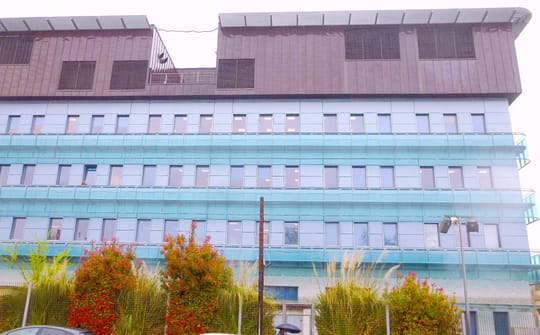
Tourists continue to occupy illegally divided mini-apartments in a Gràcia district building, despite Barcelona City Council uncovering the illicit operation weeks ago. The property on Travessera de Gràcia, near the Sant Pau Art Nouveau Site, faces multiple sanctioning proceedings for its unauthorised tourist accommodation.
The City Council recently exposed that managers had illegally split 19 authorised tourist flats, each around 60 square metres, into at least 26 smaller units. Some of these new apartments measure just 30 square metres, making them too small for legalisation under current regulations. Inspectors also found tourists in four other units within the building that lacked proper permits, further expanding the scope of the illegal activity.
Two young Dutch tourists, leaving the building this week, described their stay. "It is the cheapest we found in Barcelona, about 500 euros for five nights, between the two of us," they explained in English. "Barcelona is very expensive. But the truth is that it is a bit strange." They noted having six beds for two people, but rooms were so small that doors clashed when opened simultaneously. They also mentioned two kitchens, one of which appeared dismantled, suggesting a history of modifications.
City Council Takes Action
Deputy Mayor Laia Bonet publicly announced the City Council's findings a couple of weeks ago. She stressed the phrase "at least 26 apartments" because municipal inspectors could not access all suspicious areas during their investigations. This limitation suggests the actual number of illegal divisions could be higher. The City Council has since opened seven sanctioning proceedings against the property managers. Each of these proceedings could result in substantial fines, ranging from €60,000 to €600,000. These penalties aim to deter future illegal operations and punish current infractions.
Additionally, the City Council initiated 13 proceedings to reverse the illegal construction works. These procedures are currently in their allegations period, allowing the managers to present their defence and appeal the findings. City Council sources indicate that judges typically do not order the sealing of flats, even when numerous tourists are found inside. This legal hurdle often allows the illegal operations to persist while administrative processes unfold, creating a challenge for enforcement.
Municipal investigations are still ongoing, with officials suspecting more illegal divisions than initially reported. City Council sources stated, "Inspectors have tried to inspect the apartments still pending, encountering many impediments from their managers." They added, "We are considering initiating a sanctioning procedure for obstruction of the inspection." This obstruction further complicates efforts to halt the illegal activity and gather full evidence.
Ongoing Operations and Enforcement Challenges
Numerous advertisements for these apartments remain active on various holiday rental websites. However, booking dates became difficult to find shortly after the City Council exposed the situation. Now, finding available dates is almost impossible, suggesting a response to the increased scrutiny and public awareness. Only one conventional residential home reportedly remains within the entire building, highlighting the scale of the conversion to tourist use.
The City Council also detailed that if managers reverse the illegal works within the legal deadlines, they could potentially offer the tourist accommodations they originally had authorised. This pathway allows for compliance, but it requires significant effort from the operators. However, the sanctioning procedures will continue regardless of any efforts to legalise the situation. This means fines could still apply even if the property is brought into compliance, reflecting the severity of the initial infractions.
The issue of illegal tourist accommodation significantly impacts Barcelona's housing market. It reduces the availability of long-term rental properties for residents, driving up prices in popular areas like Gràcia, home to over 120,000 residents. The proliferation of such flats also alters neighbourhood character, increasing noise and reducing community cohesion. The City Council actively combats such illicit practices to protect the city's residential character and ensure fair housing access for its citizens.
Tackling Multi-Offenders
Municipal inspectors have identified various types of multi-offenders operating within the city. Some individuals deceive property owners, securing leases under false pretences, then sub-let the units illegally until eviction occurs. This practice often leaves property owners in difficult legal situations. Others exploit their own properties and existing licenses, pushing beyond legal limits in more subtle ways, such as dividing larger units or exceeding permitted occupancy. This complex problem requires ongoing vigilance from authorities and a multi-pronged enforcement strategy.
The City Council's investigations will continue as they seek to fully uncover the extent of the illegal operations at the Travessera de Gràcia building. The administrative and sanctioning processes will proceed, aiming to impose fines and ensure the reversal of unauthorised construction. This ongoing effort highlights Barcelona's commitment to regulating its tourist accommodation sector and protecting its residential neighbourhoods from unchecked commercialisation.
Come and join our Barcelona English Speakers community on WhatsApp.
Originally published by La Vanguardia Barcelona. Read original article.