Fire Stations to Be Transformed to Prevent Carcinogen Exposure
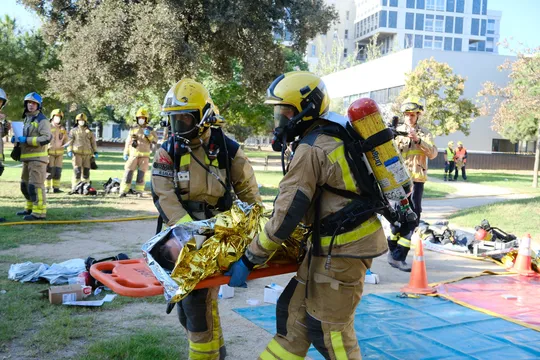
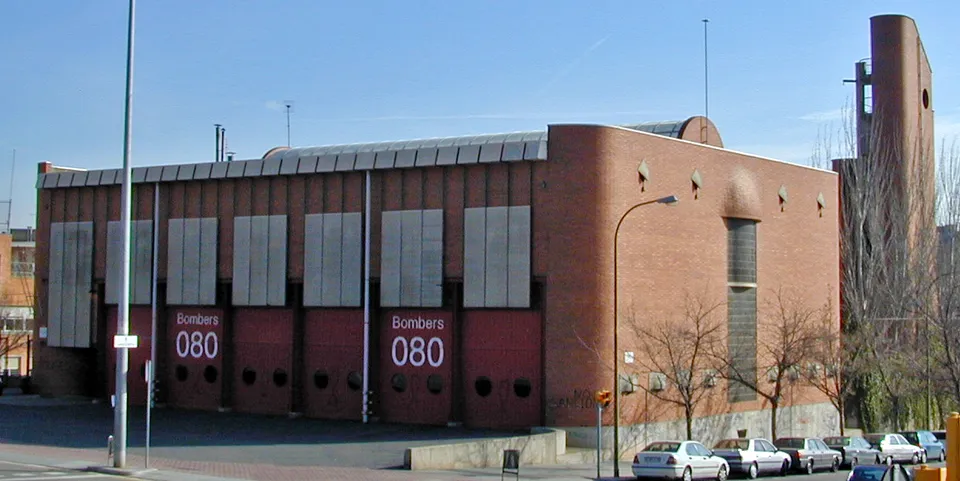
Fire stations across Catalonia will undergo a comprehensive transformation by 2032 to prevent the spread of carcinogenic substances, under a €50–55 million investment plan confirmed by the Department of the Interior. The initiative aims to upgrade decontamination systems, modernise protective equipment, and adapt infrastructure in both professional and volunteer fire stations to stop hazardous materials from entering vehicles, stations, and firefighters' homes. The announcement follows longstanding concerns from firefighters about inadequate cleaning facilities. At the Terrassa fire station, helmets are routinely cleaned in a domestic dishwasher, a practice firefighters say is widespread and not temporary. Víctor Fernández, a firefighter in Terrassa, said the station has only two household washing machines for around 70 personnel: one for regular laundry and one for contaminated gear.
€13 Million for 9,600 New Protective Kits
A key component of the plan is the acquisition of 9,600 personal protective equipment (PPE) sets for urban firefighting, costing approximately €13 million. This will allow each firefighter to have two sets, one in use and one undergoing decontamination, reducing exposure to toxic residues. Deliveries are expected to begin in the first quarter of the rollout, with monthly batches until completion. Tamara Garcia, director of Bombers de la Generalitat, said the department is moving away from the 2010 contract with an external provider for equipment supply and decontamination. Instead, the Generalitat will internalise these services, establishing a network of nine territorial logistics centres and six industrial laundries to centralise cleaning and ensure faster turnaround.
We have two domestic washing machines for about 70 firefighters.
Infrastructure Upgrades and New Staff
The modernisation will include structural changes to separate clean and contaminated zones, improved ventilation, and the installation of industrial cleaning machinery for boots, hoses, and other gear. Actions will be tailored to each station’s size and operational model, with priority given to 24/7 professional stations. The plan also includes hiring around 200 logistics technicians to manage equipment maintenance, laundry, and decontamination. These roles, part of the support scale, will be critical to the new system’s operation. Garcia confirmed the project is in the final stages of negotiation with union representatives, with implementation scheduled between 2027 and 2032. The Acord GOV/241/2025 of 21 October, which approves the Pla Bombers 2030, underpins the strategy (CIDO).
Family History of Cancer Fuels Campaign for Change
For Fernández, the issue is deeply personal. Three generations of his family served as firefighters, his grandfather, uncle, and father, all of whom developed cancer. His father, Víctor Fernández López, died on 3rd May 2024 from multiple myeloma, a blood cancer, after 30 years in the service. His widow has filed a legal claim for the illness to be recognised as occupational, with a trial set for 29th June 2028. Fernández stresses that carcinogens are absorbed through the skin, not just inhaled, and that contaminated gear continues to pose risks after fires. The Generalitat’s plan aims to break that chain of exposure.
Sources: El Periódico.