Displaced After Midnight Eviction
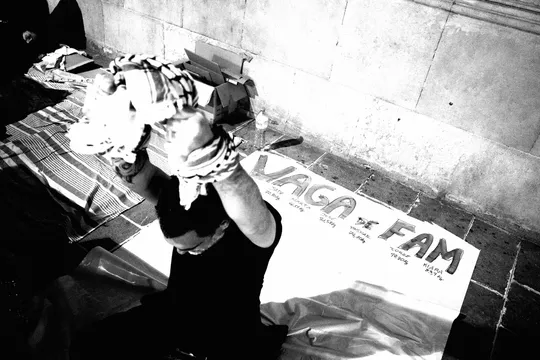
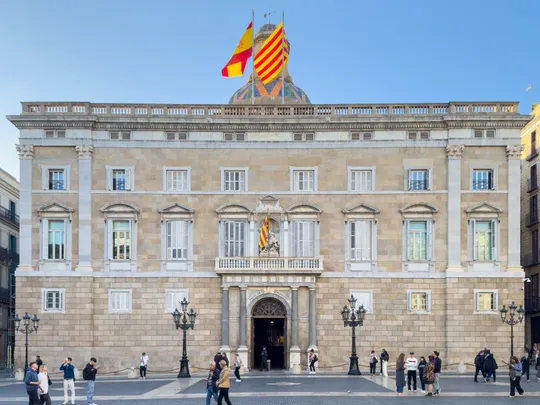
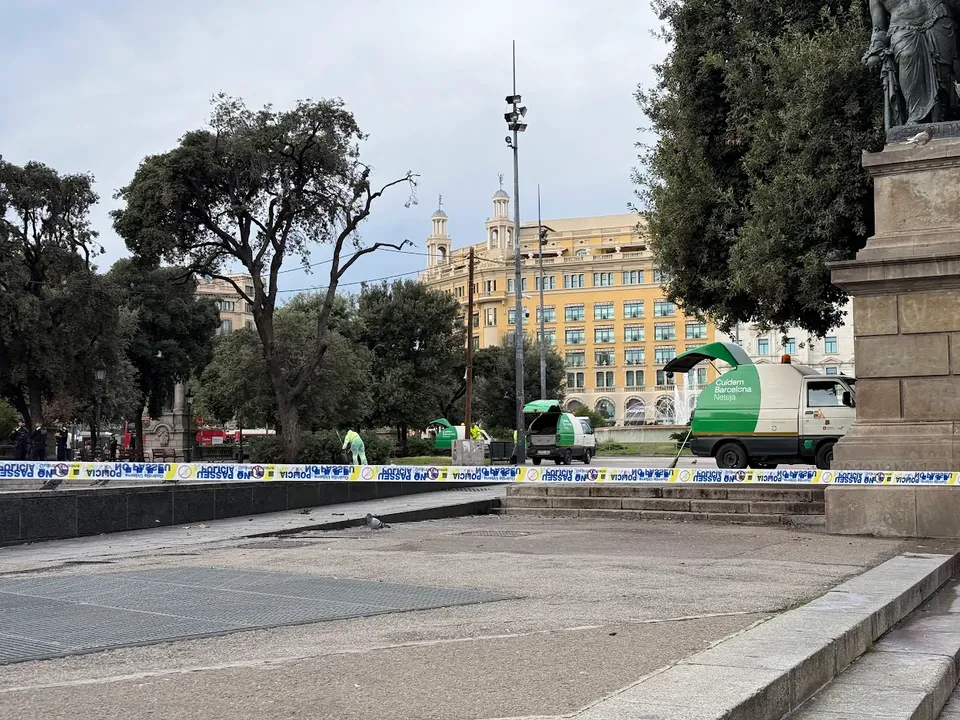
Early on Monday 16th November 2026, a police operation led by the Guàrdia Urbana and supported by the Mossos d'Esquadra cleared the housing protest camp at Plaça de Catalunya, a central public square in Barcelona. The operation began just after midnight and involved 465 officers, 27 cleaning teams and 55 municipal workers, according to the Ajuntament de Barcelona. Authorities removed 150 tents, collected 45 tonnes of waste and formally identified nearly all of the approximately 300 people living at the site. The city stated the action was necessary due to hygiene, safety and the need to reclaim public space, noting that the original protest activity had significantly declined in recent weeks.
Relocation to Espigó del Gas
Following the eviction, a group of around 30 to 70 displaced individuals walked through Ciutat Vella and settled at the Espigó del Gas, a promenade and exercise area on Barceloneta beach. By morning, between 15 and 20 tents had been erected near outdoor fitness equipment, a space commonly used by calisthenics athletes and local residents. Among those relocated are both activists and unhoused individuals who had relied on the camp as a stable refuge. George, a 60-year-old man originally from Romania who has lived on Barcelona’s streets for 37 years, said he is awaiting official recognition of a disability due to dwarfism. He was told he cannot work and lacks sufficient income or housing alternatives. Another resident, Maria, said she fled domestic violence just days before the eviction and was left without her mobile phone after police collected belongings.
"We’ve seen everything thrown into the garbage truck,"
one camper said, describing how personal items, including clothing and tents, were removed during the operation. Haizea, a camp resident who was on watch duty, said police cordoned off the square and began evictions without allowing time to gather possessions. She alleged violent searches, including genital contact, stating:
"We’re not terrorists."
Community and Political Response
Local residents reacted with mixed feelings. Conxita, an 81-year-old woman who visits the Espigó del Gas for senior exercise classes, said her session appeared cancelled but chose to stay and sunbathe, observing the unfolding situation. Luana Rocha, an activist who had been at the camp since its beginning, criticised the city’s priorities:
"They’ve prioritised Christmas lights, capital and tourism over vulnerable people."
She confirmed that the housing assembly would decide next steps in the coming hours. The city’s Deputy Mayor for Security, Albert Batlle, welcomed the restoration of “normality” in Plaça de Catalunya, where cleaning operations are now complete. The eviction marks the end of a protest that had lasted over 40 days.
What It Means for You
Residents and visitors should expect temporary changes in public space use at Espigó del Gas. The Guàrdia Urbana continues to monitor compliance with public order regulations. Those seeking support can contact Barcelona’s municipal social services via the official portal.
Sources: Ara, Ajuntament de Barcelona, rac1.cat, 3Cat, metropoliabierta.cat.