Screening for High-Risk Smokers Begins Autumn 2027
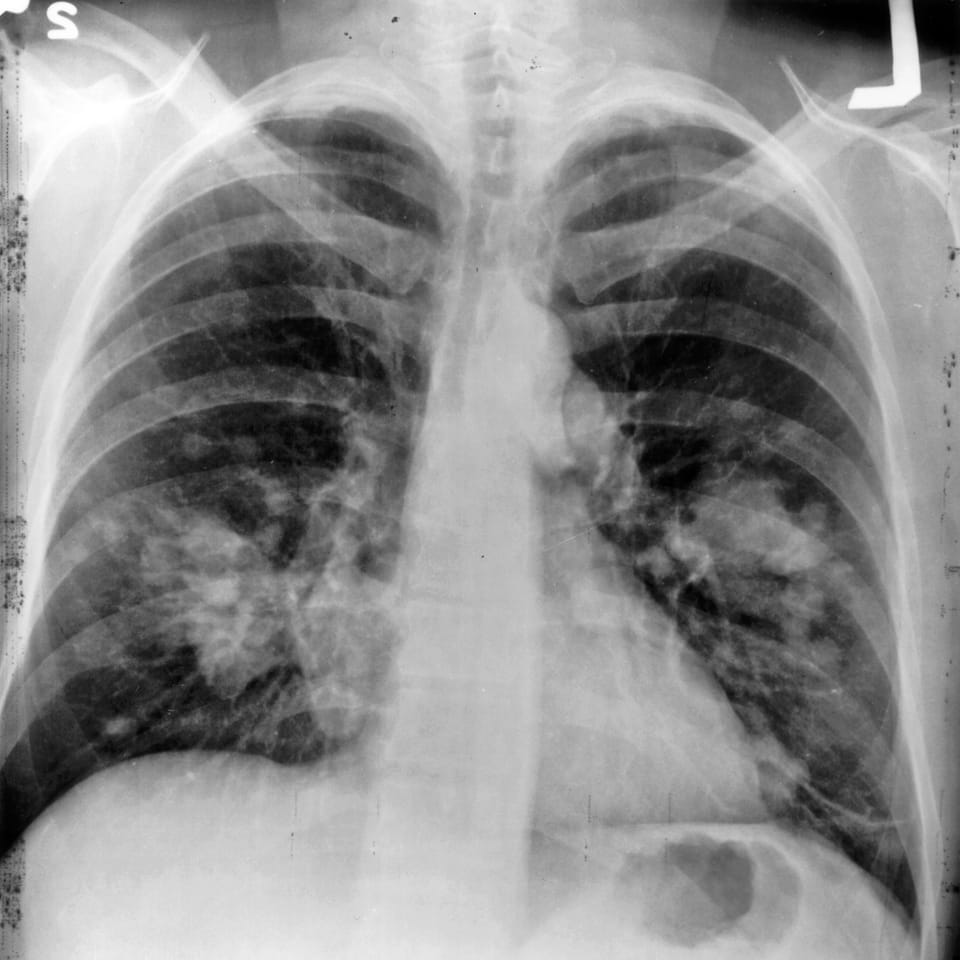
Catalonia will begin offering lung cancer screenings to residents aged 60 and over who have smoked at least one pack of cigarettes per day for 30 years, starting in September or October 2027. The Department of Health announced the initiative as part of its 2027–2030 Oncology Master Plan, which is scheduled for approval at the beginning of next year. The screenings will use low-dose computed tomography (CT) scans and will initially be rolled out in a limited number of municipalities, though these have not yet been selected. The programme will expand progressively across Catalonia as resources allow. Josep Maria Borràs, director of the Department of Health's oncology master plan, stressed that the screening is costly and requires robust follow-up systems to manage detected cases. He noted that ensuring adequate patient monitoring is a priority before wider implementation.
Health System Challenges and European Trial Data
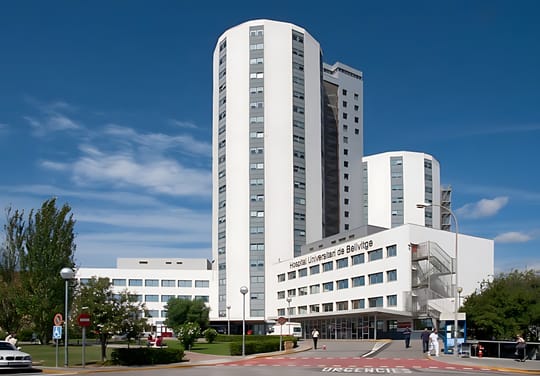
A key limitation to expanding the programme is the current shortage of low-dose CT scanners and radiologists trained to interpret the images. The Catalan Institute of Oncology is participating in a European study evaluating the feasibility of lung cancer screening, using data from patients at Hospital del Mar and Bellvitge. Initial results from the study show that 5% of participants, people over 60 with a smoking history of at least one pack a day for 30 years, had lung structures suspicious for cancer detected by CT scans. While not all findings turn out to be malignant, each requires medical follow-up. Additionally, around 40% of participants were found to have other health issues, such as coronary artery damage or non-cancerous lung abnormalities, highlighting the broader diagnostic value of the scans.
We hope to have everything ready to start in September or October 2027 and then extend it progressively.
Fourth Cancer Screening Added to Public Health Programme
Once launched, lung cancer will become the fourth type of cancer covered by an organised public screening programme in Catalonia, joining existing efforts for breast, cervical, and colorectal cancers. The move marks a significant step in tackling the region’s leading cause of cancer death. Despite advances in treatment, including immunotherapies that have improved survival rates, lung cancer remains the deadliest cancer worldwide. An earlier study involving researchers from Hospital del Mar, IDIAPJGol, IDIBELL, and Erasmus MC in Rotterdam found that nearly 80% of chronic smokers would not quit even if their screening results came back negative, underscoring the need to combine screening with smoking cessation support.
Primary sources: eb.gencat.cat. Reported by en.ara.cat, hospitaldelmar.cat, archysport.com, ZonaIT.com, elnacional.cat, ARA, lavanguardia.com, hechoencalifornia1010.com, erj.ersjournals.com, Diari ARA.