Government Approves New Status for BSC
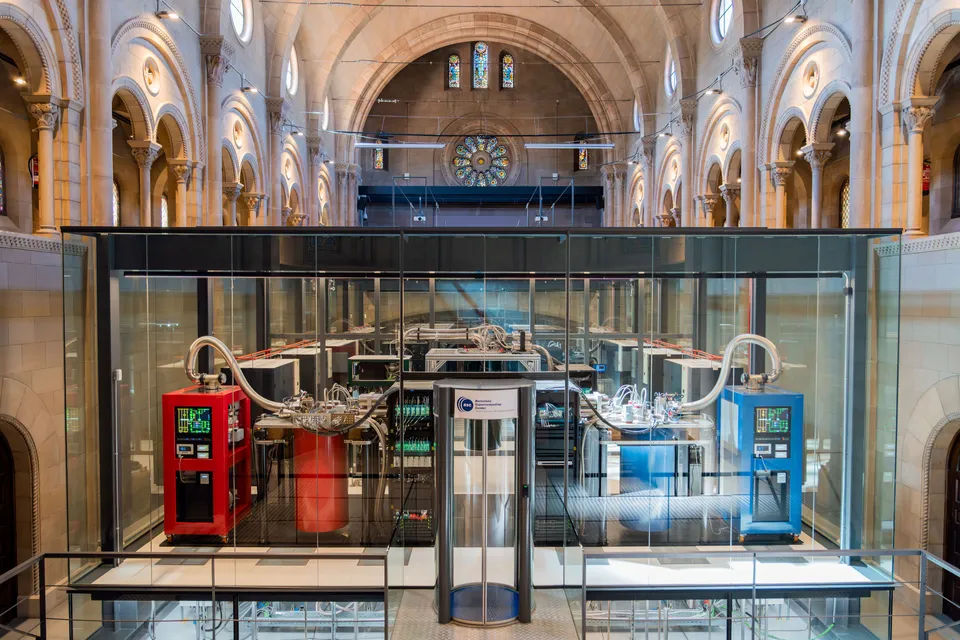
The Barcelona Supercomputing Center (BSC) will transition into a public foundation affiliated with the General State Administration, following a decision by the Council of Ministers on Friday 20th November 2026. The change is designed to grant the centre greater autonomy and operational flexibility. Under this new framework, the BSC will be allowed to create its own company to bring scientific research to market, a move aimed at accelerating technology transfer and boosting innovation. The reform is part of a royal decree-law approved to strengthen Spain’s scientific and technological sovereignty amid rising global competition.
New Network of Strategic Research Centres
The decree establishes a network called 'Centres of National Interest for Scientific and Technological Sovereignty', which will include up to twenty public research institutions working in critical technological fields. These include artificial intelligence, advanced semiconductors, quantum technologies, biotechnology, robotics, and advanced materials. Eligible institutions include public consortia, public foundations, and those accredited as 'Severo Ochoa' centres or 'María de Maeztu' units, provided they conduct high-impact research directly linked to technological sovereignty. A 14-ministry interministerial commission will select the centres, with final approval required from the Council of Ministers. The special status will last five years, renewable once for up to ten years total.
Streamlined Operations and Hiring
Centres in the network will benefit from simplified management procedures, including faster hiring, more competitive salaries, and easier procurement of equipment and services. They will also have enhanced ability to transfer research outcomes to third parties and establish spin-off companies. The BSC’s new capacity to form a commercial entity is a direct result of these changes, enabling it to monetise its research more effectively.
Expanded Tax Incentives for Innovation
The royal decree-law also increases support for private-sector innovation. The tax deduction for technological innovation will rise from 12% to 15% in eligible cases. The annual limit for direct monetisation of these deductions, crucial for startups and pre-revenue firms with certified innovation, will increase from €1 million to €3 million. Social Security contribution bonuses for permanent research staff will be extended from three to five years. For predoctoral researchers employed by companies, the monthly bonus will rise from €115 to €200 throughout their doctoral period.
Minister Champions Public Science
Diana Morant, Minister of Science, Innovation, and Universities, stated that technological sovereignty 'is also built from public science'. She emphasised that research is a cornerstone of Spain’s economic and social transformation, and that the reforms are essential for competing internationally in strategic technologies. The full text of the royal decree-law is available on the Ministry of Science’s website.
Sources: Metrópoli, ciencia.gob.es, moncloa.com, Newsroom Infobae (EFE).