Land Transfer Approved for Future AI Hub
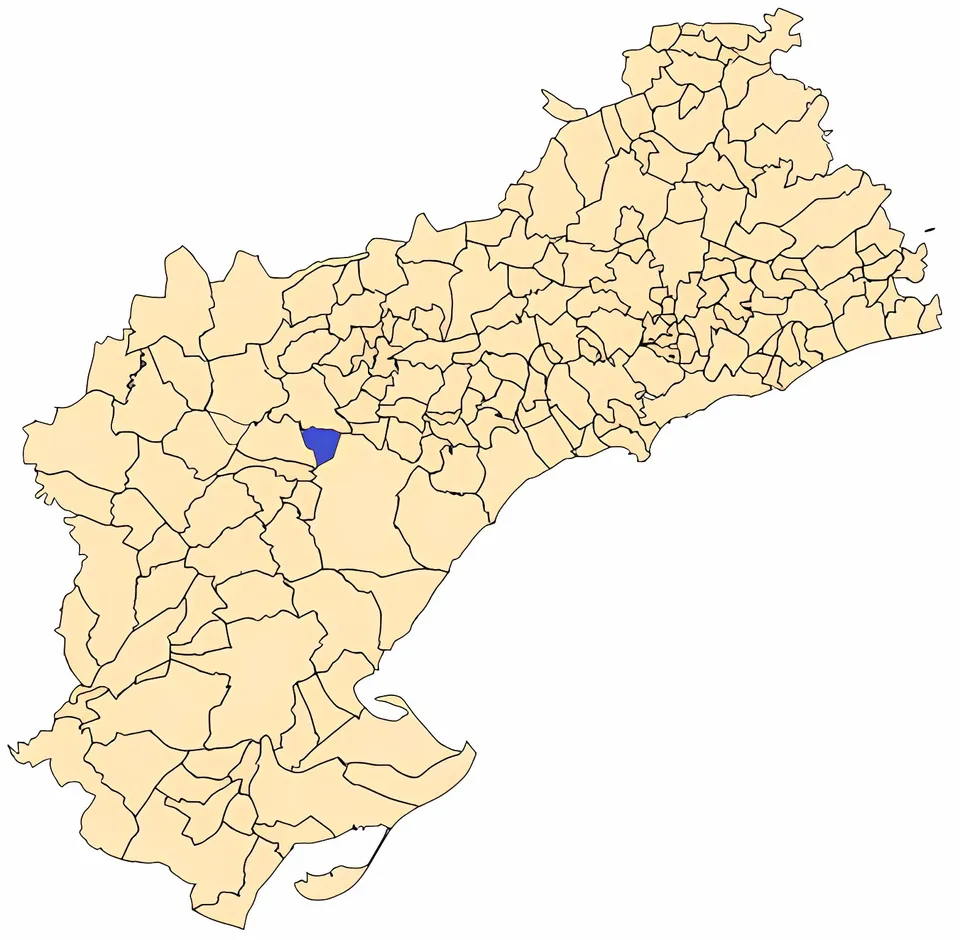
This morning, the Catalan Executive Council authorised the Catalan Land Institute (Incasòl) to directly sell 132,000 m² of land in the El Molló industrial estate to the public-private partnership leading the bid for a European artificial intelligence gigafactory in Móra la Nova, in the Ribera d’Ebre region. The decision marks a key administrative step in securing the site, with construction initially occupying only part of the available area.
Urban Planning Approval Expected Wednesday
The Territorial Urbanism Commission of the Terres de l’Ebre is scheduled to approve a specific modification to the Partial Plan of the SAE El Molló on Wednesday 18th November 2026. This follows provisional approval by the town councils of Móra la Nova and Tivissa on 8th and 9th October 2026. Final validation by the regional planning body will complete the necessary urban planning adjustments. Albert Dalmau, Minister for the Presidency, described the project as “the most important technological commitment to be made in Catalonia”, involving an investment exceeding €3 billion. “Today the Government is taking a decisive step to consolidate the Terres de l’Ebre as one of the main technological hubs in southern Europe,” he stated.
Economic and Strategic Impact
The gigafactory aims to process data for AI platforms such as ChatGPT and provide services to European companies and public bodies, reinforcing digital sovereignty and technological competitiveness on the continent. According to the Secretary for Telecommunications, Albert Tort, the project could generate around 250 direct jobs and approximately 2,500 indirect jobs. Dalmau stressed the importance of economic opportunities in rural areas: “We want a country where a young person born in the Ribera d’Ebre can study, stay to live, and work in the Ribera d’Ebre.”
Environmental and Energy Considerations
Responding to environmental concerns, Dalmau highlighted that the project will incorporate advanced sustainability criteria, including energy efficiency, renewable energy use, and a closed-water circuit to minimise water consumption for cooling. The location in Móra la Nova and Tivissa has been deemed “ideal” due to its territorial, urban planning, and energy conditions, as well as the expansion potential of the El Molló sector.
Next Steps and EU Timeline
The full bid must be submitted to the European Commission by 3rd December 2026. A decision is expected during the first quarter of 2027. “These European processes are slower than we would like, but the most important thing is that we are caught prepared, with our homework done and with a winning project,” Dalmau said, urging caution until the outcome is known.
Sources: La Ciutat, La Vanguardia, elriu.cat.