Low EV Uptake Highlights Infrastructure Gap
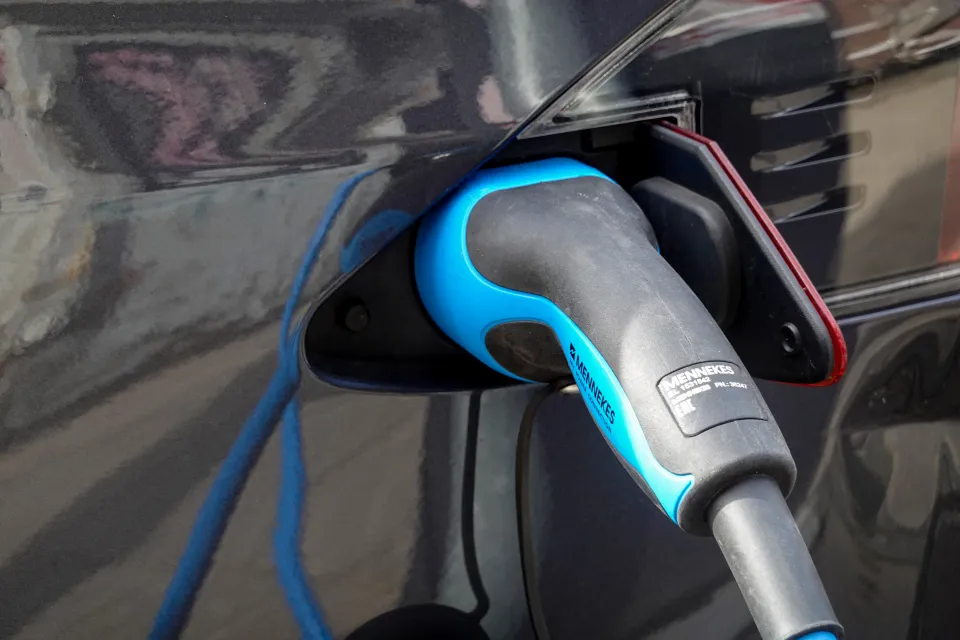
The Barcelona Provincial Council (Diputació de Barcelona) has called for a significant expansion of electric vehicle (EV) charging points across its 311 municipalities. It estimates that only 2% of passenger vehicles in the province are currently electric, far below the levels needed to meet climate targets. This figure underscores a major gap in clean transport adoption, despite national and regional goals to phase out internal combustion engines by 2035. The council warns that without faster deployment of accessible charging infrastructure, especially in rural and medium-sized towns, electrification will remain limited to wealthier urban areas.
Equitable Access Across Municipalities
The goal is to ensure no municipality is left behind in the energy transition,
spokespersons for the Diputació stated, stressing that smaller towns often lack public chargers entirely. The council supports coordination between local councils, energy providers and regional government to streamline installations and share technical expertise. Charging deserts persist even within metropolitan areas, with many residential streets and older apartment blocks lacking any provision. The council recommends prioritising shared-use chargers in multi-family housing and expanding fast-charging corridors along secondary roads.
Next Steps and Funding
The Diputació is working with the Generalitat de Catalunya and the Spanish Ministry for Ecological Transition to access EU recovery funds earmarked for sustainable mobility. Officials say current funding mechanisms must be simplified so smaller town halls can apply without specialised staff. Residents and businesses seeking information on available grants for private or public charging points can consult the Diputació’s e-mobility portal, which includes planning tools and case studies from municipalities that have successfully implemented charging networks.
Reported by 20minutos.es, 20 Minutos Barcelona.