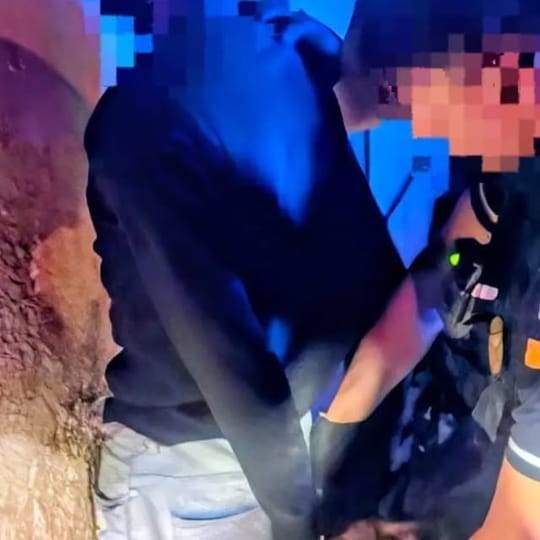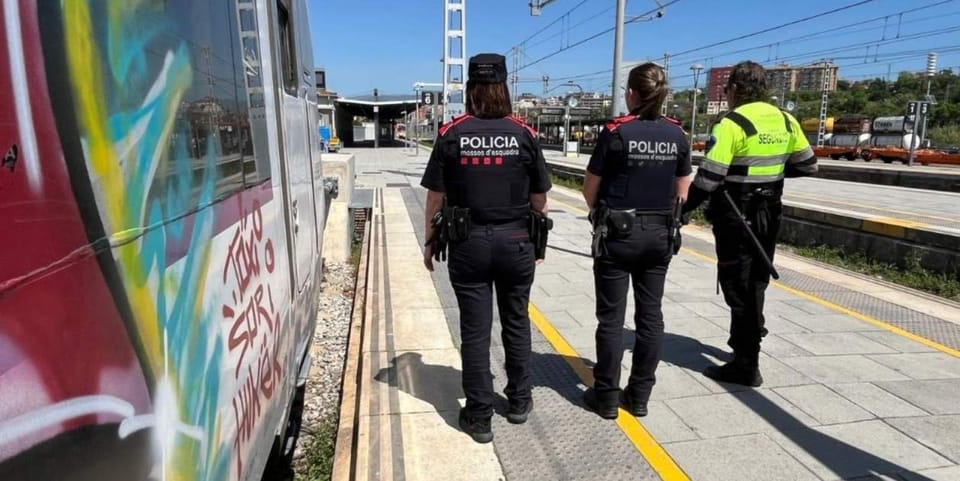
Mossos d'Esquadra arrested ten people in Barcelona on 16 April. They face charges for vandalising trains and metro carriages across Catalonia. The damage totals €377,528.62 from 115 graffiti incidents.
The arrests followed a months-long investigation by the police's Central Airport and Public Transport Area (ACAT) and Regional Urban Transport Area (ARTU) units. Police linked the group to extensive graffiti on Ferrocarrils de la Generalitat de Catalunya (FGC), Rodalies, and Transports Metropolitans de Barcelona (TMB) metro services.
Investigation Details Emerge
Suspects illegally entered facilities where trains were parked. They then painted large graffiti on the carriages. The investigation focused on both new individuals and those with previous police records for train damage in 2023 and 2024.
Four of the ten arrested individuals had active arrest warrants. Police also reported nine other people through criminal proceedings for their involvement. Most suspects are repeat offenders with records for graffiti-related damage, theft, and robbery. One arrested person had a record for assaulting authority.
Impact on Public Services
Mossos d'Esquadra stated the graffiti causes significant economic and environmental costs. It also directly affects public services, leading to train delays and risking railway safety. This vandalism impacts thousands of daily commuters and tourists using Barcelona's extensive public transport network.
The substantial financial damage, nearly €378,000, represents a considerable cost to public transport operators. These funds could otherwise support service improvements or maintenance. The police operation highlights the ongoing challenge of combating such widespread vandalism.
Authorities continue to monitor and prosecute those responsible for such damage. This operation shows the commitment of Catalan police to ensure the safety and efficiency of the region's rail infrastructure.
Sign up for our new entrepreneurs community Bizcelona, now accepting our second wave of applicants.
Originally published by El Caso (El Nacional). Read original article.