Barcelona is now included in Catalonia’s expanded nocturnal heat warning system, with alerts issued when overnight minimum temperatures are forecast to stay above 27 °C. The Servei Meteorològic de Catalunya (SMC) has widened the system across all Catalan regions, working with the Department of Health and the Directorate General of Civil Protection.
The warnings were first introduced in June 2023 as a pilot for coastal and pre-coastal areas. Since May 2024, they have covered all of Catalonia’s administrative divisions, known as comarques. The system issues a danger warning when the minimum daily temperature is likely to stay above a set threshold, which varies by municipality.
For Barcelona, the key threshold is 27 °C. The SMC says this figure is based on the 98th percentile of the highest minimum temperatures recorded in June, July and August over the last 15 years. Data from the meteorological station in the Raval district is used for that calculation, and the analysis period has recently been extended from 10 to 15 years.
The warning system has two levels, one for “intense nocturnal heat” and one for “very intense nocturnal heat”. In central Barcelona, the lower alert is triggered when the minimum temperature is expected to exceed 27 °C. The higher alert applies when the forecast is two degrees or more above that threshold, which would mean temperatures above 29 °C in Barcelona.
The SMC says the alerts are meant to flag health risks linked to increasingly frequent tropical, torrid and scorching nights across Catalonia. In the Barcelonès comarca, which includes Barcelona, thresholds have also been set for 2026. In Pyrenean areas, where the 98th percentile can be below 20 °C, warnings are only issued once temperatures pass 20 °C.
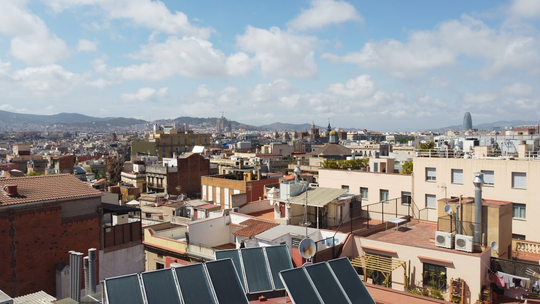
Barcelona’s urban heat island effect means the city often stays warmer overnight than nearby rural areas. That makes the warnings especially relevant for older residents, young children and people with existing health conditions. For more local coverage, see our Community and Sport pages.
Originally published by betevé. Read the original report.