Barcelona has launched the new Druida Plan to intensify efforts against drug dealing and public consumption, with increased police presence in known hotspots and improved intelligence coordination. The plan, presented on Tuesday 4 August 2026 by Deputy Mayor for Security Albert Batlle, targets drug houses, repeat consumption zones, and problematic buildings across the city.
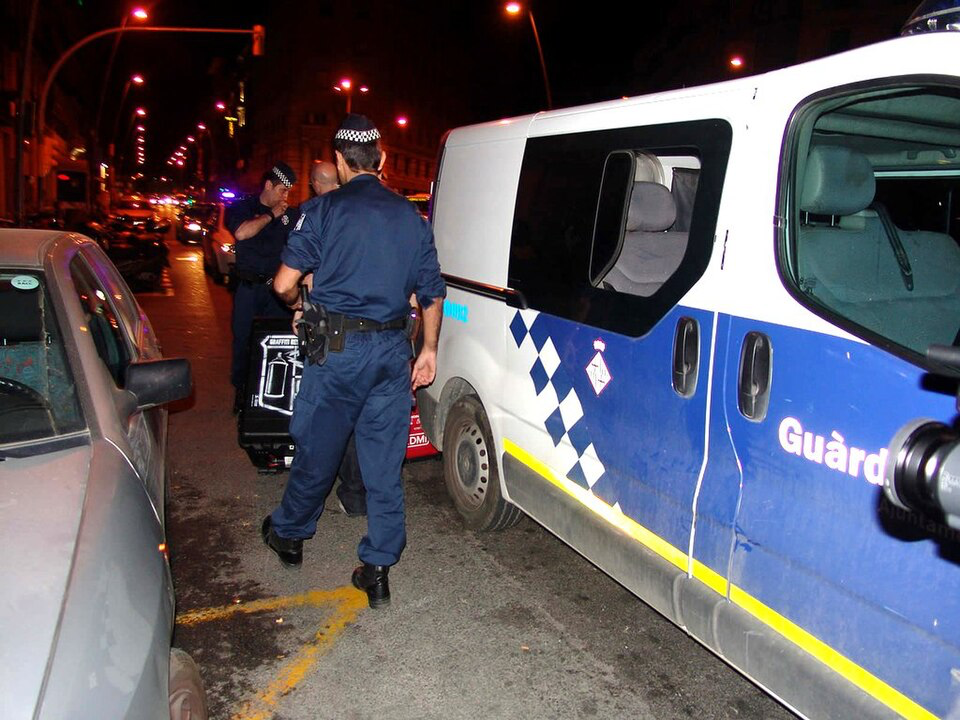
The Guàrdia Urbana will deploy sustained police operations in areas with high levels of drug activity, aiming to disrupt entrenched networks and prevent displacement to other neighbourhoods. The strategy responds to rising drug availability, new substances, and evolving distribution methods, which have affected public safety, coexistence, public health, and road safety.
"It's not an easy battle. We must not trivialise it," said Batlle, highlighting the challenge of a phenomenon now spread across nearly all city districts, not just Ciutat Vella. The plan leverages the local police's territorial proximity, using early warnings from residents, businesses, schools, and municipal services to detect and respond to risks.
It's not an easy battle. We must not trivialise it.
Under the Druida Plan, a permanent risk-mapping system will guide the allocation of police resources, identifying hotspots and tracking shifts in activity. This intelligence will be shared with the Mossos d'Esquadra, Catalonia’s regional police, who lead organised crime investigations, as well as with prosecutors and the judiciary.
Coordinated Action to Reclaim Public Spaces
The initiative goes beyond enforcement. The city aims to recover affected streets, squares, and buildings for community and commercial use through coordinated action involving district offices, cleaning services, maintenance teams, municipal inspectors, public health, and social services.
A new operational intelligence model integrates data from police interventions, public health incidents, resident complaints, administrative actions, preventive controls, and territorial units to assess and respond to local conditions.
Expanded Checks and Prevention Efforts
The plan includes more frequent drug and alcohol checks in nightlife areas, festivals, major events, and key roadways entering and leaving the city, aimed at reducing traffic risks. Inspections of venues, associations, and businesses that may facilitate drug use will also be strengthened.
Prevention efforts will focus on youth and educational environments, updating outreach programmes to address emerging drug risks and new substances. The plan also prioritises identifying vulnerable situations, including minors, homeless individuals, and problematic drug use, to improve coordination with social and health services.
Enforcement Results So Far
- In the first half of 2026: 90 arrests, 74 drug sales points dismantled, 22 drug houses recovered
- In 2025: 110 investigations concluded with judicial searches, 165 drug sales points deactivated, 210 arrests, 57 drug houses recovered
From September 2026, 50 additional officers will join the Guàrdia Urbana to support these operations. The Druida Plan has been active since June 2026 and forms part of a broader strategy that has already contributed to a 13.3% reduction in criminal incidents in Ciutat Vella between October 2025 and September 2026.
Primary sources: Servei de premsa Ajuntament de Barcelona, Ramon, ajuntament.barcelona.cat. Reported by beteve.cat, Guillem RS, elperiodico.com, Ángeles Vázquez, Cristina Gallardo, Miriam Saint-Germain, metropoliabierta.cat.
Related on Catalan.News
- Mossos identify 24 trafficking victims since 2025
- Mossos investigate violent death of woman in Barcelona
- 1,200 police officers complete ISPC course in Mollet
- Theft Drops 20% on Catalan Trains After Police Crackdown