Metropolitan Strategy Targets 75% Reduction in Waste Burning
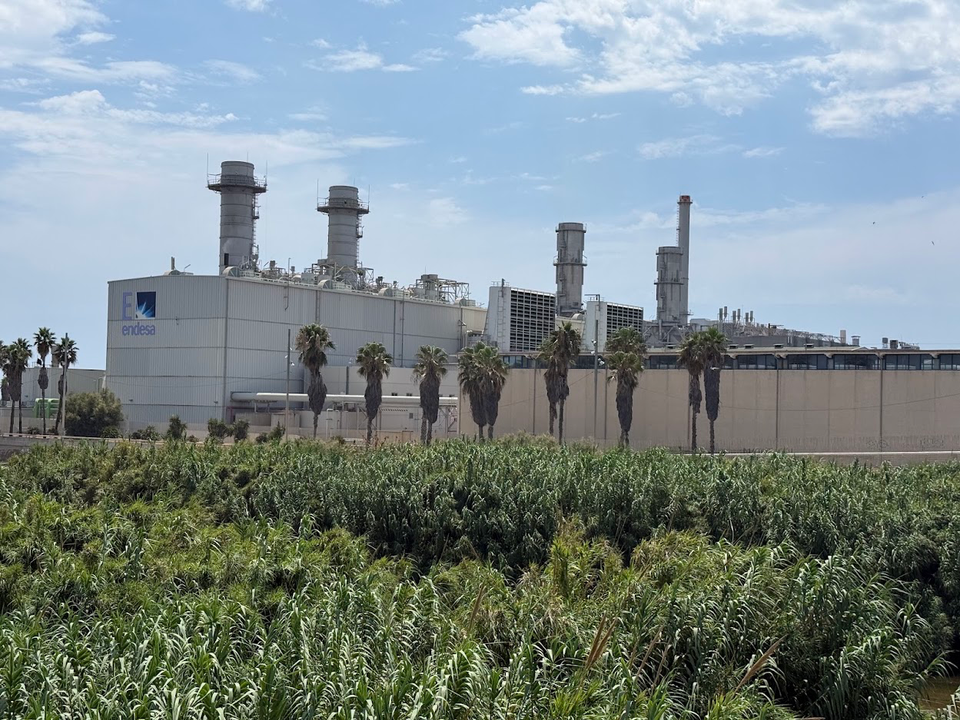
The Barcelona Metropolitan Area (AMB) has set a goal to reduce the amount of waste burned at the Tersa incinerator in Sant Adrià de Besòs by 75.56% by 2035, cutting annual incineration from a permitted 360,000 tons to just 88,000 tons. This move forms part of a broader strategy to align with European Union waste directives, which require member states to recycle at least 55% of municipal waste by 2025, rising to 65% by 2035, and limit landfill disposal to no more than 10% of total waste by 2030. Currently, the 36 municipalities of the AMB generate around 1.5 million tons of waste each year. Of this, approximately 40% is recycled, 30% goes to landfills, and 30% is incinerated at the Tersa plant for energy recovery. The facility, jointly owned by Barcelona City Council and the AMB, has come under scrutiny amid a 2027 judicial process examining whether its waste combustion controls fully prevented the release of toxic compounds such as dioxins and furans.
Dependence on New Infrastructure and Collection Reforms
Frederic Ximeno, AMB's Director of Climate Action, described the 88,000-ton target as an "aspirational horizon" dependent on multiple factors. Central to the plan is the construction of 14 new waste recovery and treatment facilities over the next decade, requiring a projected investment of €673 million shared between the AMB, the Generalitat, and private operators. The strategy also relies on expanding smart, closed-container systems and door-to-door waste collection with identification methods to improve compliance. According to 2024 data, only six of the 36 municipalities have exceeded the EU’s 55% selective collection threshold, all of which have implemented identification-based systems.
This is the goal, but we must have all plants operational and ensure that the 36 municipalities, especially the central ones in the area, are carrying out efficient collections, which is not happening now.
, Frederic Ximeno, AMB Director of Climate Action
Long-Term Vision: Residual Waste Down to 16%
The AMB's 'Metropolitan Strategy for Municipal Waste Infrastructure', updated in May, aims to reduce the residual fraction, waste placed in grey containers, to just 16% of total municipal waste by 2035. Achieving this would require both increased recycling and the expansion of SCRAPs (Collective Systems of Extended Producer Responsibility), under which manufacturers take responsibility for recovering products such as textiles, footwear, furniture, and certain single-use plastics. Two major reuse plants are planned: one in the Llobregat area by 2028 and another in Besòs by 2030. Ximeno stressed that while incineration cannot be eliminated entirely, its role must diminish significantly.
We have to drastically reduce both energy recovery and landfill. The effort required to reduce the residual fraction to 16% is titanic.
, Frederic Ximeno The AMB’s roadmap contradicts the Generalitat’s regional waste plan, which projects an increase in waste incineration from 20% to 25% to offset landfill reductions. Ximeno reaffirmed that the metropolitan area will not follow this trajectory. Despite political resistance in some municipalities to identification-based collection systems, the AMB views them as essential to meeting EU mandates. The phased closure of the Tersa incinerator was first proposed in the 2019–2025 Metropolitan Program for Waste Management, contingent on improved organic waste recycling, a condition not yet met.
Reported by El Periódico Barcelona.