Affordable housing schemes, rather than rare births alone, are helping some of Spain’s smallest villages retain and attract residents, according to reporting by russpain.com. The distinction matters for families considering a rural move: a newborn has not halted decline in places such as Laguarta in Huesca, while housing-led initiatives in Palencia have added residents and children.
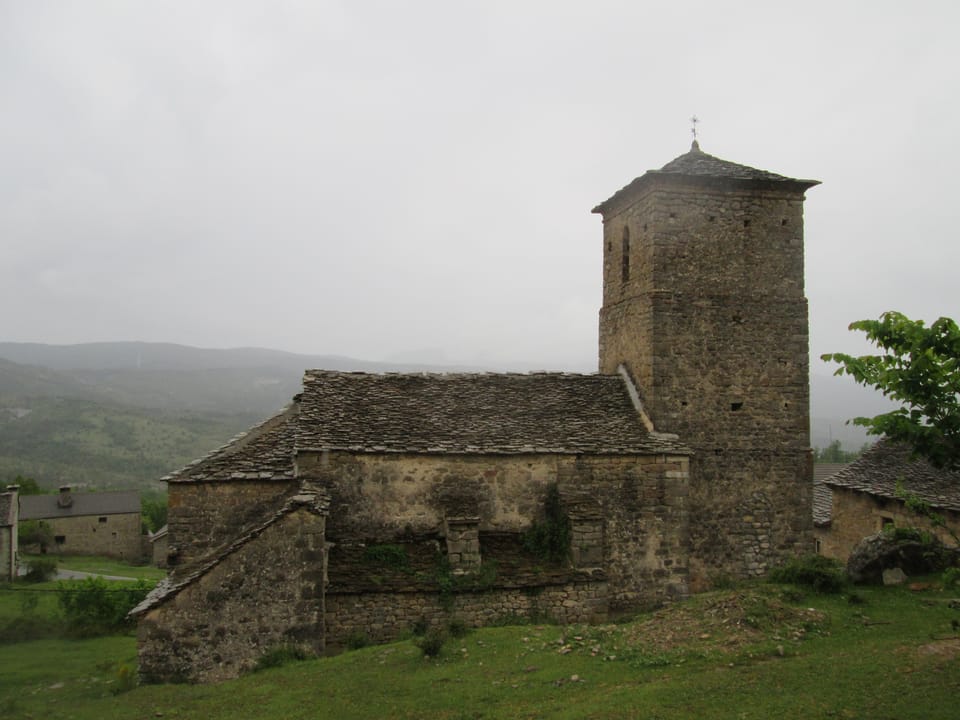
Laguarta celebrated Miguel Marín’s birth in 2010, its first newborn in 40 years. Fifteen years later, Miguel and his brother are the only children in the village and their family is among just four remaining residents, the report says.
Benizalón, in Almería, also recorded a birth after 15 years without one, but such cases remain exceptional. Spain’s Ministry for the Ecological Transition and Demographic Challenge reported that municipalities with fewer than 5,000 residents gained 22,020 people in 2024, taking the cumulative increase since 2018 to 163,027. The smallest settlements, however, are still losing inhabitants.
Housing programmes produce gains in Palencia villages
Paredes de Nava’s TuTecho programme links owners of empty homes with families seeking work. The local initiative, combined with renovation of abandoned properties, increased the town’s population by 70 people in two years, including 19 children.
For prospective residents and owners of unused homes in Paredes de Nava, TuTecho is the local scheme identified in the report for connecting housing with families looking for employment.
- Paredes de Nava: population up by 70 over two years through TuTecho and home renovations.
- Villada: population rose from 834 to 863, with affordable housing, agricultural work and incoming Latin American and African migrants cited as factors.
- Local schools: Villada’s mayor said incoming families had helped maintain pupil numbers and stabilise the number of young people.
Milagros Alario, a geography professor at the University of Valladolid, described the births as isolated incidents. She said regional centres can gain residents at the expense of smaller villages, and that jobs on their own no longer determine whether people stay: housing and leisure services also matter.
Long-term decline remains concentrated in the Celtiberian Highlands
Eight out of ten villages have lost residents over the past decade, according to the report. The pressure is particularly severe in the Celtiberian Highlands, an area across Burgos, Segovia, Soria, La Rioja, Zaragoza, Teruel, Guadalajara and Cuenca that has more than 1,300 municipalities and a population density of seven people per square kilometre.
The region is often called the Spanish Lapland, a comparison with sparsely populated northern Scandinavia.
Sociologist Javier Rueda of the Complutense University of Madrid said cheaper housing is increasingly shaping where people settle, including for those willing to accept longer commutes. He argued that a lasting demographic reversal would still require a sustained rise in births.
Valcuende, a hamlet in León, illustrates the limits of short-term arrivals. Iván González became the first child to live there year-round in more than 60 years during the pandemic, but the report says that, after other newcomers left, only the González family and their livestock remained.
Reported by russpain.com.