High rates of violence and discrimination
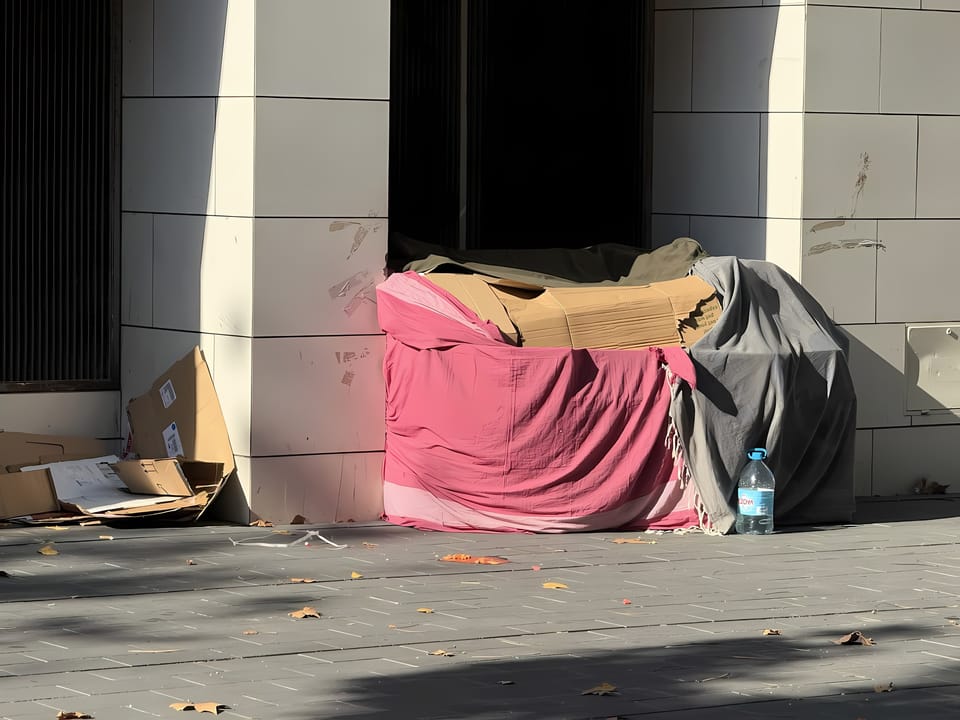
Eight out of ten people living on the streets of Barcelona have experienced at least one incident of crime, assault or discrimination since becoming homeless, according to the 2025 report Victimization and Aporophobia towards people living on the street in Barcelona by the Arrels Foundation. The figure stands at 83.3%, based on surveys of 670 individuals across the city. While this represents a slight decrease from 86.9% in 2023, several specific forms of victimization have increased. Physical assaults rose from 46.9% to 48.4%, and insults, humiliations or threats climbed from 56.3% to 61.6%. Theft of money, belongings or documentation remains the most common form of victimization, affecting 83.5% of respondents.
Gender disparity and sexual violence
Women experiencing homelessness face significantly higher risks than men, particularly regarding sexual violence. According to Beatriz Fernández, director of Arrels Fundació, 41.4% of homeless women report having suffered sexual assault, compared to 4.6% of men. Women also report higher rates of physical assault, coercion and discrimination in public and private spaces. The term aporophobia, defined as contempt or hatred toward people in poverty, is explicitly identified as a motivating factor in one in four attacks. Among those who believe their victimization was aporophobic, the proportion who say aggressors used explicit verbal abuse related to homelessness increased from 18.1% in 2023 to 24.7% in 2025.
"Who will pay attention to a person living on the street? Many of us don't report anything for that reason, because we think they won't do anything,"
, José Luis Miralles, who has lived on the street for years and participated in the report's presentation.
Barriers to reporting crimes
Underreporting remains severe: 62.1% of victims did not report incidents to authorities, nearly unchanged from 63% in 2023. Of those who did not report, the belief that doing so is useless rose sharply, from 44.5% to 56.4%. Distrust in the police and justice system also grew, increasing from 28.2% to 33%. Different groups face distinct barriers. Women express greater distrust in institutions; young people struggle with knowing how to file reports; and those over 55 are more likely to see reporting as futile. The authors warn that official records likely underestimate the true scale of aporophobic violence.
Call for systemic reform
The report calls for multiple policy changes to address the crisis. These include creating accessible reporting channels outside police stations, such as through social services or mobile units, training security forces, and improving coordination between law enforcement, prosecutors, health providers and outreach teams. It also urges all official records, police, judicial, health and social, to systematically document whether a person is homeless and whether an attack showed signs of aporophobic motivation. Ultimately, the foundation stresses that criminal justice responses alone are insufficient. "Reducing time spent on the street is the best protection," the report states, calling for guaranteed access to stable, decent housing and an end to policies that displace or criminalise unhoused people. Data from the Ajuntament de Barcelona’s 2023 Discrimination Observatory supports these findings, noting 1,384 people sleeping rough in December 2023, mostly in Ciutat Vella, l’Eixample, Sants-Montjuïc and Sant Martí.
Reported by vilaweb.cat, 93453, VilaWeb Feed.