3,200 Protected Homes in New Eco-Neighbourhood
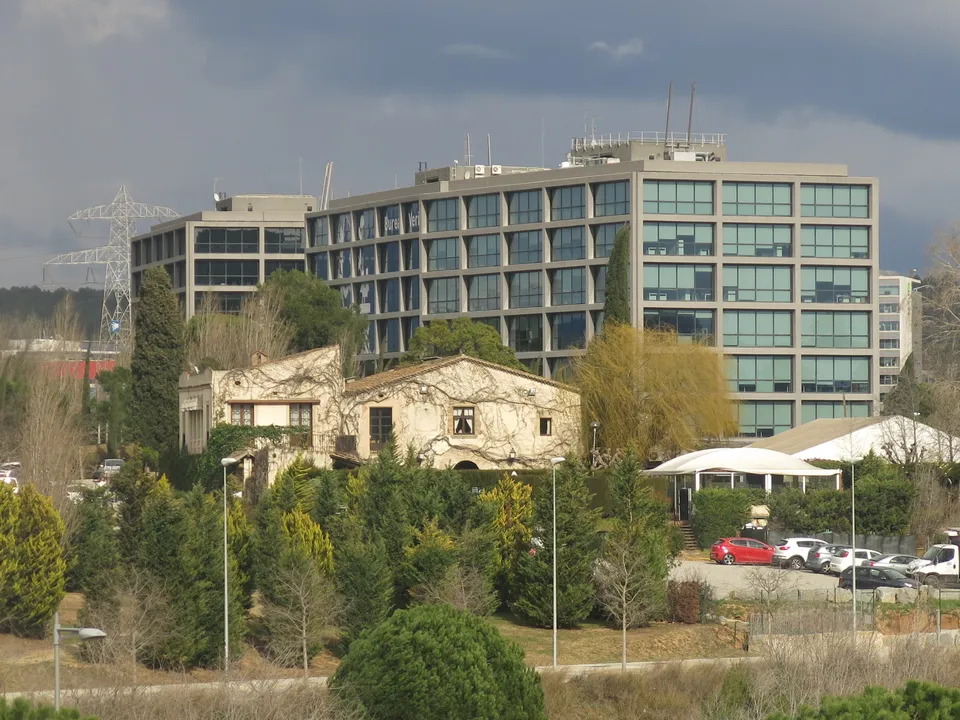
The Sant Cugat City Council is moving forward with plans to develop Ca n’Ametller, a new eco-neighbourhood set to deliver approximately 5,500 homes, around 3,200 of which will be officially protected. This represents roughly 60% of the total housing and aims to address the acute shortage of affordable homes in the country’s most expensive city. According to a municipal announcement from 4 May 2026, the council intends to grant initial approval for the urban planning modification before the end of 2026. This step will define housing distribution, building heights, green spaces, and infrastructure. Final approval is expected about a year later, depending on the planning process.
“Ca n’Ametller is the last great opportunity to develop housing. There is little land in Sant Cugat,”
, Àngel Pedrós, Urban Planning Councilor
Low-Rise, Green Design With Public-Private Model
The project follows the 'Sant Cugat model', with buildings limited to six floors and a focus on open, walkable spaces. Green corridors will be prioritised in the design, connecting to existing areas like Parc Central and Can Mates. A large civic square is planned in front of the General Hospital, where three green corridors will converge. The council is also evaluating a technology hub to create local jobs, ensuring the area supports both living and working. Transport links will be centred on the FGC-Rodalies interchange, promoting mobility without private cars. Despite the scale, the city will not bear the cost of urbanisation. Most of the land is privately owned, and under the current plan, private investors will fund the development, including the complex task of covering the R8 railway line to eliminate the trench and create continuous urban space.
Long Timeline: First Homes by 2030
The first buildings are not expected to be completed until around 2030, meaning construction will extend beyond the current municipal term ending in 2027. Urban Planning Councilor Àngel Pedrós stressed that the project requires long-term commitment: “This will not be developed in two years. We have to take a further step so that it has continuity in future governments.” Currently, only about 4% of Sant Cugat’s housing stock, 833 rental and 635 for sale, is officially protected. If completed, Ca n’Ametller would raise that to between 10% and 15%, significantly increasing access to affordable housing. Residents can follow and contribute to the planning process via the Decidim Sant Cugat platform, which hosts a participatory urbanism initiative for redefining the area in response to climate and housing emergencies.
Sources: TOT Sant Cugat, premsa.santcugat.cat.