Ferran López Assumes Leadership Amid Structural Push
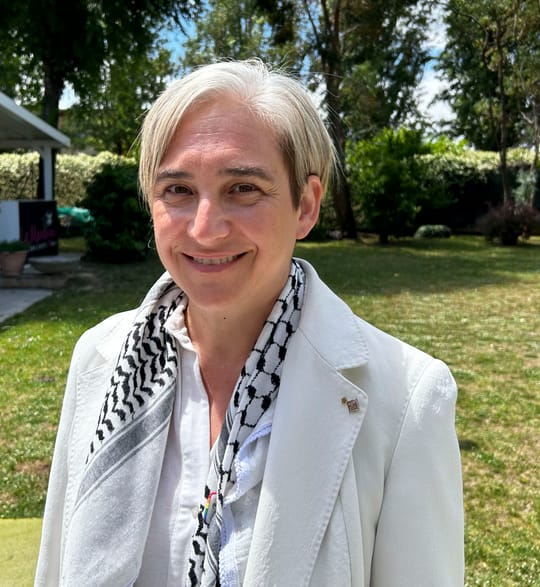
Ferran López has officially taken over as Director General of the Mossos d'Esquadra, the autonomous police force of Catalonia, following the resignation of Josep Lluís Trapero on 9 September 2026. López, previously the Mossos’ representative in Madrid and a key figure during the period of direct rule under Article 155, now leads the force at a pivotal moment of institutional change. His appointment coincided with the naming of Sílvia Catà as the new Chief Commissioner, the first woman to hold the top operational role within the Mossos. Catà, formerly head of the Girona regional command, was announced by Interior Minister Núria Parlon as part of a broader leadership reshuffle aimed at modernising the force.
Advocating for Enhanced Powers
In his new role, López has called for the Mossos to be granted powers equivalent to those of Spain’s national police forces, such as the Policía Nacional and Guardia Civil. He argues that enhanced legal and operational capabilities are essential to counter the growing threat of organised crime, drug trafficking, and youth gangs, which he warns could infiltrate public institutions if left unchecked. López’s position reflects a strategic shift toward greater integration with national and international law enforcement networks, while preserving the Mossos’ autonomy under the Catalan government. The push for expanded competences includes demands for broader jurisdiction in cross-regional investigations and improved access to national intelligence databases.
If organised crime manages to infiltrate the police, it will be a point of no return,
López stated in a recent address, underscoring the urgency of structural reform.
Institutional Context and Challenges
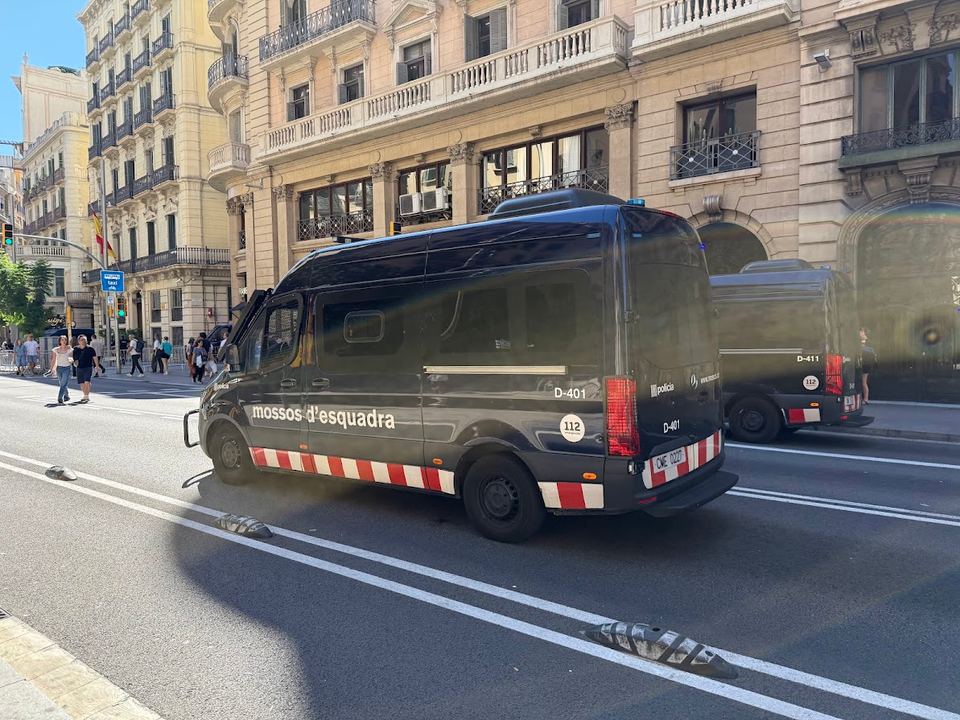
The Mossos d'Esquadra, established as Catalonia’s police force under the Generalitat, currently operate with devolved powers under regional authority. Their mandate includes urban and rural policing, traffic control, and criminal investigation within Catalonia, as defined in the Carta de Serveis de la Policia de la Generalitat (2010). However, limitations in cross-border jurisdiction and legal reach have long been cited as obstacles in tackling transnational crime. López’s proposal would align the Mossos more closely with the functions of a state-level police force, enabling direct coordination with central agencies without requiring federal authorisation for certain operations. This vision builds on historical developments documented in academic studies such as Continuïtat i canvi de les polítiques públiques policials a Catalunya (1979–1997), archived by the Department of Interior and Public Safety (DSP), which traces the evolution of Catalonia’s police model from its post-Franco foundation to current-day structures. While no legislative timetable has been announced, the debate reignites longstanding discussions about policing autonomy and national integration in Spain’s decentralised state framework.
Primary sources: dsp.interior.gencat.cat, mossos.gencat.cat, ctc.westpoint.edu, lamoncloa.gob.es. Reported by en.ara.cat, ultimahora.es, Guillem RS, elpuntavui.cat, elplural.com, larazon.es, elperiodico.com, Europa Press Barcelona.