Historically Informed Performance Returns to Liceu
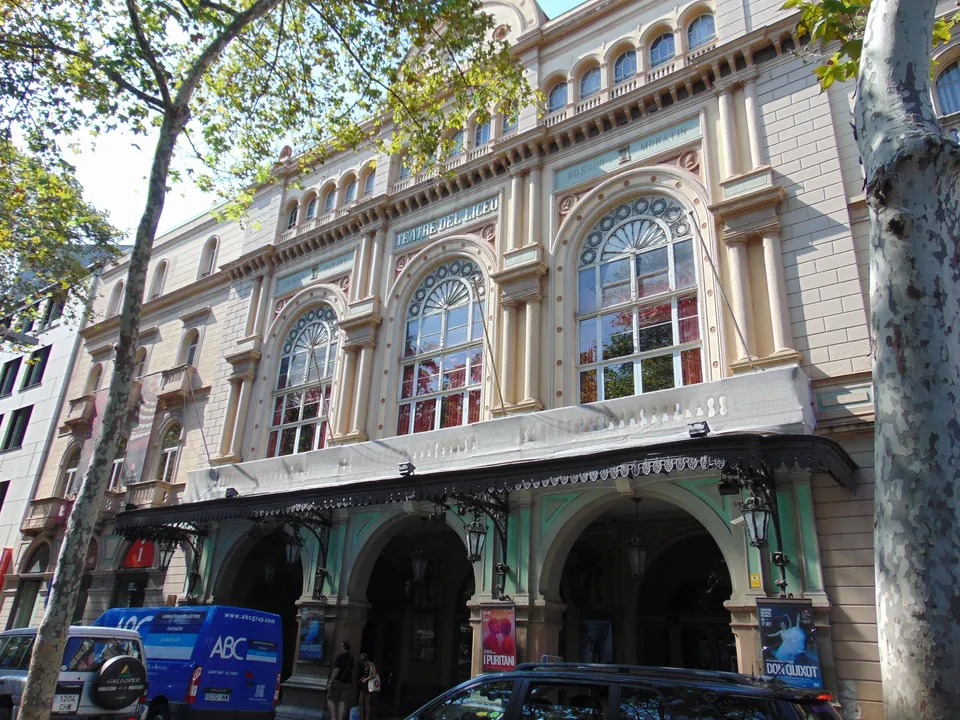
The Gran Teatre del Liceu in Barcelona will stage four performances of Wolfgang Amadeus Mozart’s La clemenza di Tito from Wednesday 25th November to Tuesday 1st December 2026, under the musical direction of Jordi Savall and his period-instrument ensemble Le Concert des Nations. The production revives David McVicar’s staging, originally created for the Aix-en-Provence Festival in 2011, with restaging by Leo Castaldi. At a press conference on 19th November, Savall emphasised that audiences will hear the opera as closely as possible to how Mozart intended, with period instruments, nuanced articulation, and careful phrasing. "What we will hear in this concert is not simply an orchestra of period instruments, it is not just a small ensemble, but other colors, other articulations, other phrasing, another balance," he said. Víctor Garcia de Gomar, Artistic Director of the Gran Teatre del Liceu, described the production as exceptional due to both the musical ensemble and the revival, which he believes may be the last time this staging is seen at the venue.
Psychological Depth in Mozart’s Final Opera
"In Mozart, there is always a particular focus on humanity in terms of feelings, psychology, and emotion.", Leo Castaldi, production restager
La clemenza di Tito, composed in just six weeks for the coronation of Emperor Leopold II in Prague in 1791, is an opera seria in two acts with a libretto by Pietro Metastasio and Caterino Mazzolà. It tells the story of Emperor Tito, whose clemency is tested after a plot to assassinate him, instigated by Vitellia, the fictional daughter of the deposed Emperor Vespasian, through manipulation of the young Sesto. Castaldi highlighted that the production’s costumes, though set in ancient Rome, reflect a post-Napoleonic aesthetic, reinforcing the psychological intensity of the characters. He noted that the scenic space draws from the original conception by Mozart, focusing on emotional authenticity. The work premiered at the Liceu on 14th December 1963 and was last performed there in February 2020. This revival marks a rare return of the opera to Barcelona’s principal opera house.
Cast Explores Power, Vulnerability, and Gender
Tenor Jack Swanson, in the role of Emperor Tito, spoke about the moral dimension of leadership. "Power comes from respect and humility," he said, noting that Tito’s capacity for forgiveness reflects noble leadership. When asked whether modern political figures came to mind, Swanson said he respects leaders who admit mistakes: "I respect someone who says that they would do things differently now." Aurora Marthens, making her Liceu debut in the role of Vitellia, described her character as a woman constrained by gender norms, forced to seek power through manipulation. "I am sure that throughout history there are many women, both in power and out of it, rich and poor, who had to make very petty decisions in different situations because of their gender," she said. Mezzo-soprano Marianne Crebassa, also debuting at the Liceu, plays Sesto, a character who embodies emotional vulnerability. "I never tire of this role; I don't think I will ever tire of Sesto, because this man is special," she said. Performances take place on 25th, 27th, and 29th November and 1st December, with approximate running time of 2 hours 40 minutes. Tickets are available via the Liceu’s official booking page. A live audio description service will be available on 1st December, and a mindfulness session titled "Breathe the Opera" precedes the performance on 27th November.
Sources: Web design, Diseño web.