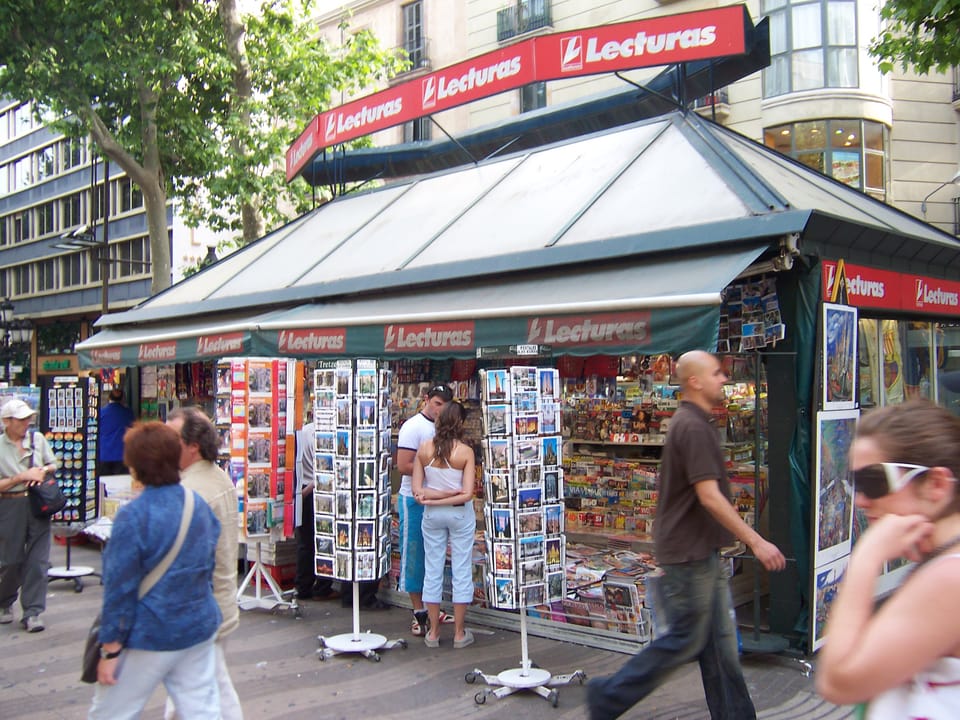
Barcelona’s iconic street newsstands are undergoing a quiet transformation as dwindling newspaper sales force vendors to reinvent their businesses. Once central hubs for daily print, many now sell specialty coffee, souvenirs, and packaged snacks to survive. Only 288 newsstands remain in the city, down from 339 in 2018, according to municipal data.
Josep, who has run a stand on Aribau Street for 30 years, recalls selling over 100 newspapers a day in the 1990s. Now, he sells fewer than a dozen. “Before, this was a real business. Now it’s just about surviving,” he says. He’s one of the few still focused on print, while others adapt to changing demand.
Ahmed, who operates a kiosk at Urquinaona Square, now sells magnets, t-shirts, and postcards to tourists. “I sell what people passing by here actually buy: a souvenir of Barcelona before taking the subway,” he explains. He estimates eight out of ten customers buy a souvenir, not a newspaper.
Specialty Coffee Revives the Model
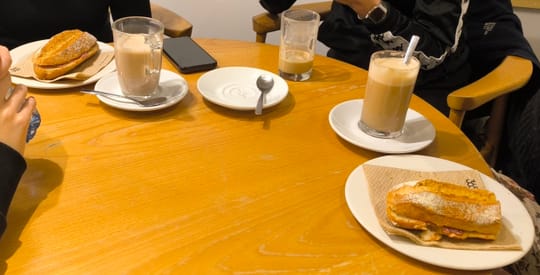
In Eixample, Fran and his partner Edward run a kiosk that blends news and specialty coffee. They pay about €140 in rent and obtained their licence through a transfer. “We didn’t want to be a café with magazines or a newsstand that serves coffee, but both at the same time,” Fran says. Their model reflects a broader shift led by Good News, a chain founded by five Catalans in 2020 that redesigned kiosks with cream-coloured wood finishes, healthy snacks, and a curated selection of magazines.
Good News now operates 10 kiosks in Barcelona, seven in Madrid, and 18 across Paris and Amsterdam. Their marketing includes incentives for sustainable mobility, such as discounts for customers arriving by bike or scooter, and free drinks in exchange for sharing four positive news stories.
Municipal Rules Allow Broader Sales
The Barcelona City Council has responded to the crisis by revising regulations. Under updated clauses approved in 2023, kiosks must now dedicate only 51% of display space to press and printed matter, down from 80%. This change allows vendors to sell takeaway coffee and pre-packaged food, though on-site food preparation and alcohol remain banned.
The new rules also reduce mandatory opening hours from 8am–3pm to 9am–2pm and allow kiosks to participate in city-led social initiatives. The changes, detailed on the Barcelona City Council’s Info Barcelona portal, aim to make the model more economically sustainable.
“I’m too old to reinvent myself twice. I’ll keep selling the newspaper to the four neighbours who still ask for it, as long as my body holds up,”
says Josep, reflecting on the shift. While some vendors embrace change, others like him remain committed to the original purpose, even as the city’s streetscape evolves around them.
Primary sources: barcelona.cat. Reported by eldiario.es, salirporbarcelona.com, catalannews.com.