Catalonia’s internal reservoirs were 81.51% full on 15 August, according to daily data from the Agència Catalana de l’Aigua (ACA), the Catalan Water Agency. The level was down 0.18 percentage points on the previous reading but remained above the 60% threshold cited for leaving drought conditions.
For households and businesses supplied by the Ter-Llobregat system, principally in Barcelona and Girona provinces and the Solsonès comarca, the level means reserves remain outside the drought situation that previously led the Govern, the Catalan government, to impose water restrictions.
Rainfall lifted reserves above drought threshold
The ACA’s daily reports cover reservoirs across Catalonia and provide a separate record for the Ter-Llobregat system. The source reports that rainfall during spring 2025 raised Catalonia’s reservoir reserves above 80% of capacity, more than 20 percentage points above the average of the preceding five years.
The drought declaration ended on 5 April 2025, after internal-basin reservoirs finished March at more than 60% full. Earlier in 2025, the reservoirs exceeded 56% capacity for the first time since March 2022.
Five reservoirs supply the Ter-Llobregat network
The Ter-Llobregat network includes treatment plants, storage tanks and five reservoirs:
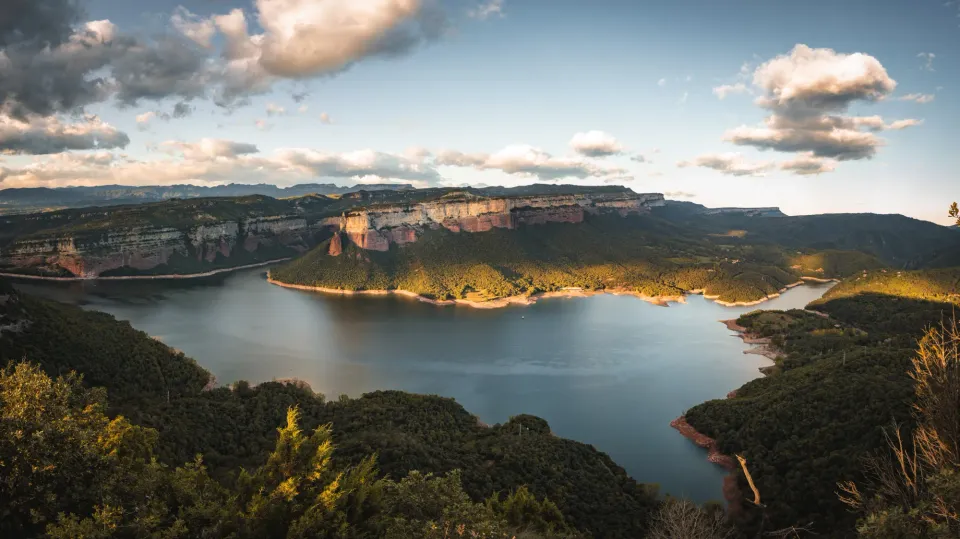
- Sau, in Vilanova de Sau in Osona
- Susqueda, in Osor in the Selva comarca
- La Baells, in Cercs in Berguedà
- La Llosa del Cavall, in Navès in Solsonès
- Sant Ponç, in Clariana de Cardener in Solsonès
Other internal-basin reservoirs include Darnius Boadella in Alt Empordà, Foix in Alt Penedès, Siurana in Priorat and Riudecanyes in Baix Camp.
Residents can follow changes in storage levels through the ACA’s daily reservoir reports, including its separate Ter-Llobregat record.
Reported by elperiodico.com.