Call for Regulatory Parity
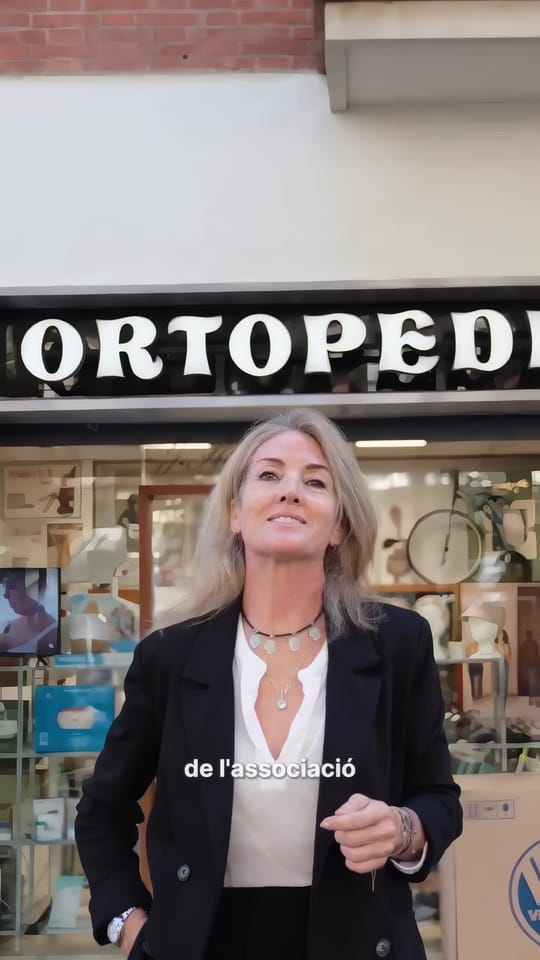
Catalan physical retailers are urging reforms to create fairer competition with large digital platforms such as Shein, Temu, and Amazon. Ignasi Pietx, president of Comertia, the association representing family-owned retail businesses in Catalonia, stressed that the issue is not with online commerce itself, but with what he describes as unequal regulatory treatment. "If we lose physical commerce, our society will die," Pietx warned during a press briefing on Tuesday 20 October 2026, ahead of the 24th Retail Conference set for 28 October under the slogan 'Living Commerce, Lively Streets'. Pietx, who also serves as general director of printing company Artyplan, emphasised that most Comertia members, including Natura, Drim, Dormity, and Sandwichez, already operate e-commerce platforms. The challenge, he said, lies in competing against foreign-based online retailers that benefit from lower tax and regulatory burdens.
Tax and Urban Planning Concerns
According to Pietx, around 70% of low-value packages sold online to Catalan consumers originate from companies outside the region and are not subject to the same corporate tax obligations or compliance standards. He called for VAT and other taxes to be paid where economic activity occurs, not where companies are registered for fiscal advantage. The European Union introduced a temporary €3 customs duty per item on low-value imports (up to €150) from outside the EU starting 1 July 2026, replacing a previous exemption. While Pietx described this measure as positive, he argued it is insufficient. The duty, which applies until 1 July 2028, is intended to level the playing field but does not fully address structural imbalances.
We are not against competition, but against unfair competition.
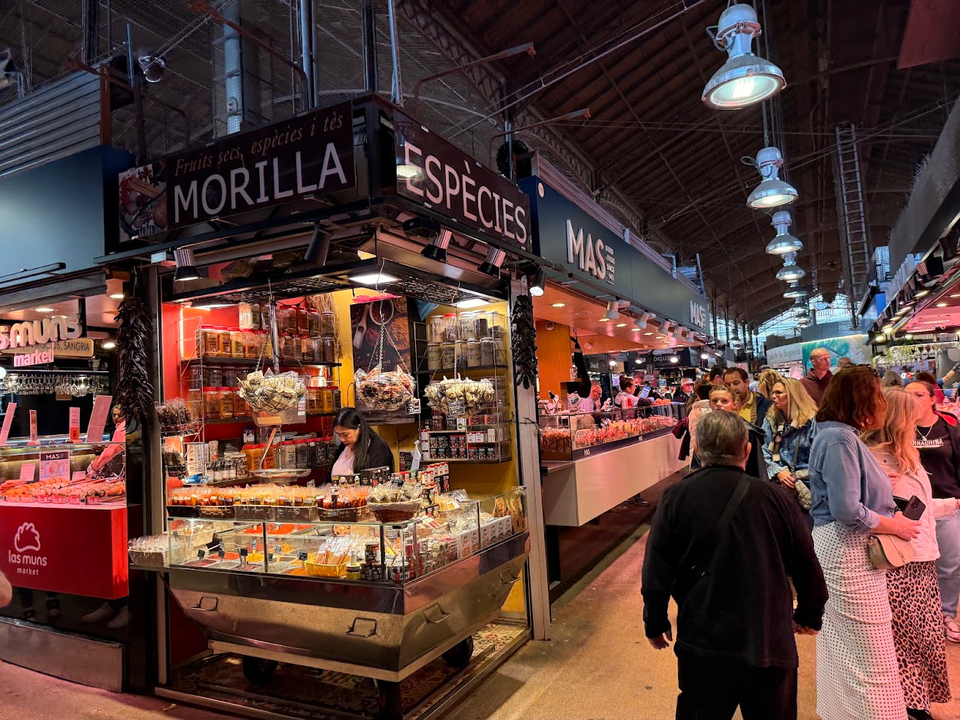
Comertia also raised concerns about urban development, warning that unchecked growth of e-commerce risks 'desertifying' city streets. Pietx argued that physical shops contribute to safety, social cohesion, and vibrant public spaces, and called on local authorities to integrate commercial needs into new urban planning from the outset.
Long-Term Vision and Upcoming Conference
"Forty years ago, we decided to do without industry, and now we regret it. Let the same not happen to commerce," Pietx said, urging policymakers to adopt a 30-year strategic vision. Comertia’s upcoming conference on 28 October will explore three central themes: the role of urban planning in sustaining commerce, strategies for relevance in the digital age, and the influence of algorithms on consumer choice. Participating companies include Mango, Natura, Etnia Barcelona, CuldeSac, Veritas, Abacus, Calbet, and Baluard. The association currently represents nearly 70 family-owned retail companies operating 3,200 establishments and employing over 42,000 people. Together, they generate more than €10 billion in annual revenue, equivalent to 3% of Catalonia’s GDP, and invest over €400 million annually, according to Comertia.
Leadership Update
Separately, Comertia confirmed that German Cid, owner and president of Grupo Gerplex-Casa Viva, assumed the presidency at its annual general meeting on 26 June 2026, succeeding Joan Carles Calbet. Cid’s strategic priorities include accelerating digital transformation, preparing for generational succession in family businesses, and expanding the association to 100 members within his term.
Primary sources: Directorate-General. Reported by elperiodico.com, comertia.net, El Periódico Barcelona.