Racism remains top cause as Catalan use faces barriers
The Observatory of Discrimination has reported 1,265 recorded incidents of discrimination in Barcelona in 2025, a 14.8% increase from the previous year. The findings were published by the Barcelona City Council on Friday 13th November 2026, based on data collected by the Office for Non-Discrimination (OND) and the Table of Entities with Victim Support Services for Discrimination (SAVD). Racism and xenophobia remained the leading cause for the eighth consecutive year, accounting for 348 cases. Of these, 113 involved discrimination against people from Latin America and 92 were anti-Muslim in nature. Women made up the majority of victims in this category, with 163 cases.
Linguistic discrimination rises to second most common
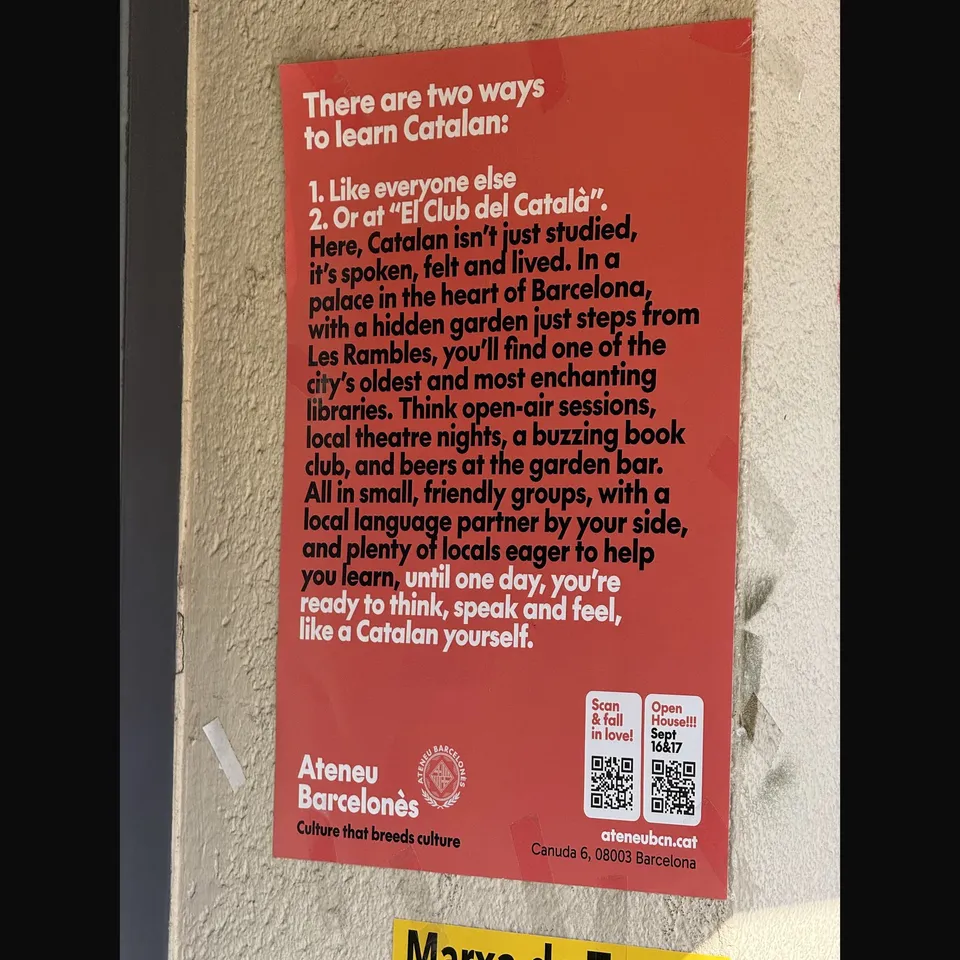
Discrimination due to the use of Catalan rose sharply, with 284 incidents recorded in 2025, up from 192 in 2024, a 47.9% increase. This now makes it the second most common reason for discrimination in the city. Affected individuals reported being asked to switch to Spanish when requesting services in bars, restaurants, medical centres, or administrative offices. Some faced refusals of service or lacked access to documentation in Catalan. Private businesses were identified as the primary source of linguistic discrimination.
The Barcelona City Council is working to guarantee linguistic rights and promote the social use of Catalan through its commissioner for the language.
The council has responded with targeted inspections on La Rambla to ensure compliance with language policy regulations in commercial establishments.
Health, disability and LGBTQ+ discrimination trends
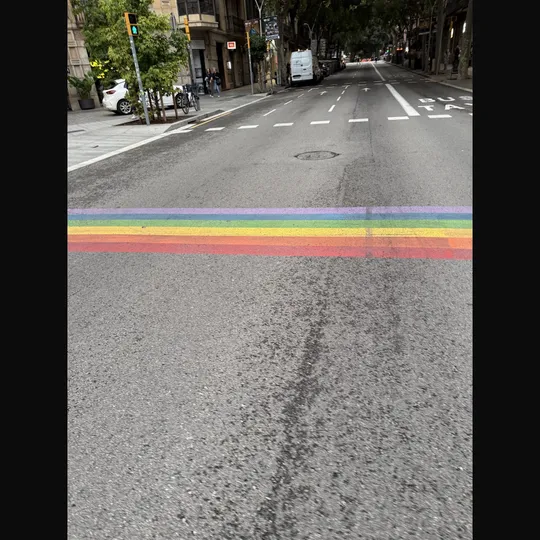
Discrimination related to health was the third most reported issue, with 268 incidents. Of these, 57% involved people with mental health diagnoses. Ableism, the social prejudice against people with disabilities, ranked fourth, with 232 cases. Women were disproportionately affected, making up 139 of the cases, and reporting a 106% increase in incidents compared to the previous year. LGBTQ+ discrimination reached a historic high of 228 incidents, double the 112 recorded in 2019. The rise is primarily driven by increased lesbophobia and transphobia. Gender-based discrimination decreased from 280 cases in 2024 to 226 in 2025. Meanwhile, aporophobia, discrimination against people in poverty, rose from 90 to 141 incidents.
Hate speech rising in schools
The report highlights growing concern among educators over the spread of hate speech, discriminatory attitudes, and far-right ideologies in schools. These trends are linked to unchecked online content, which the observatory says fuels misinformation, social polarisation, and hostility towards marginalised groups. One in three Barcelona residents said they had experienced some form of discrimination, according to the 2024 Survey of Neighbourly Relations and Coexistence (ECAMB 2024), cited in the report. The city’s Antiracist Plan 2026–2036, backed by a €3.4 million budget, aims to tackle structural racism. Barcelona also hosted the IV UNESCO Global Forum Against Racism and Discrimination in 2024, which led to the creation of UNESCO’s Global Alliance Against Racism.
Sources: betevé, Ajuntament de Barcelona, diaricatalunya.cat.