Residents Push for Action Amid Deterioration
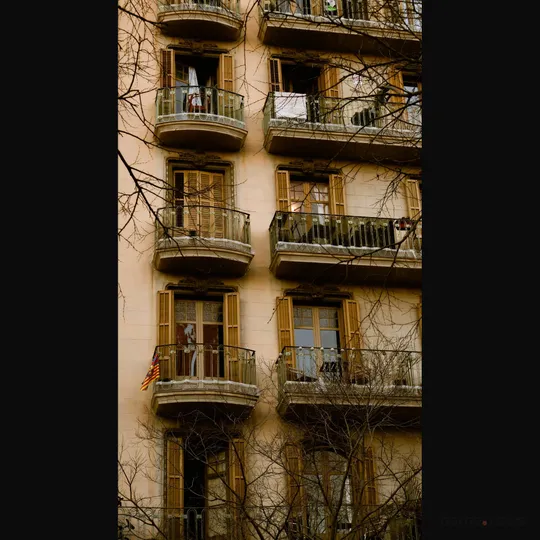
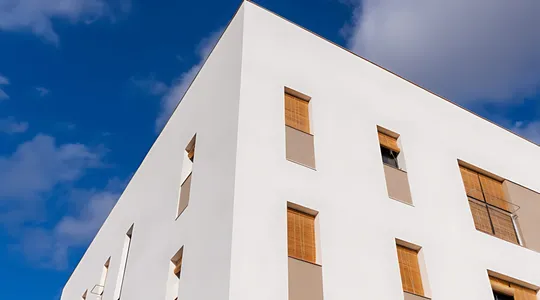
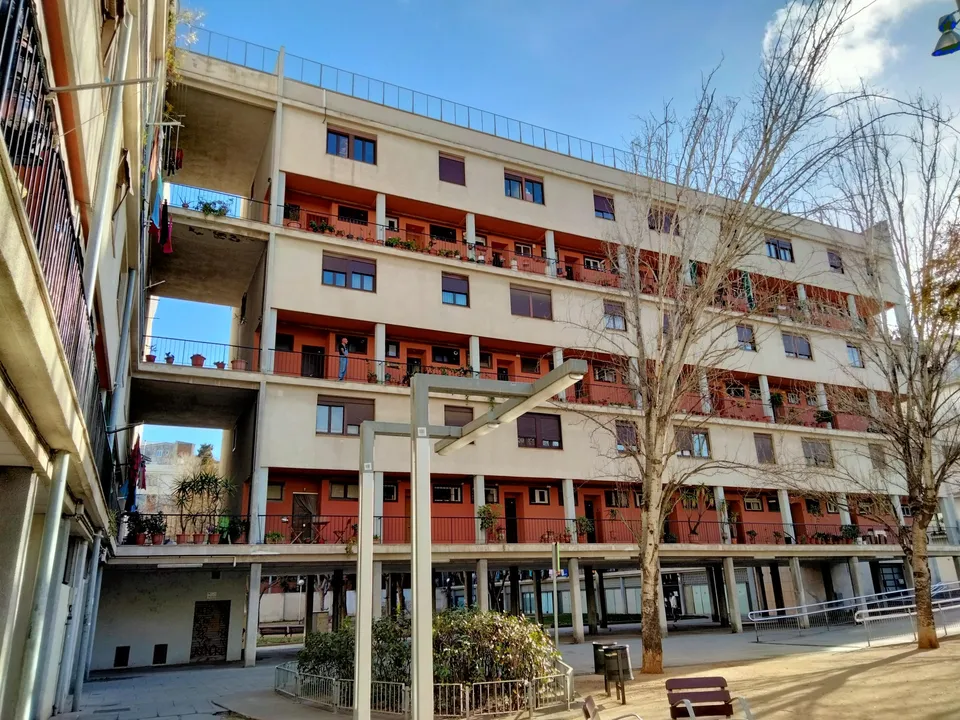
Residents of La Casa Bloc, an iconic rationalist housing complex in Sant Andreu, Barcelona, have launched a protest campaign demanding urgent repairs from Incasòl, the public agency that owns all 169 housing units in the building. The structure, declared a Cultural Asset of National Interest (BCIN) in 1993, has suffered from long-standing issues including façade collapses, persistent dampness, and aluminosis, a degradation of cement-based materials, in the plumbing system across the entire building. Despite its protected status, residents describe past interventions as "meagre" and limited to temporary fixes that fail to address structural problems. Over 200 families now urge Incasòl to move beyond architectural studies and establish clear budgets and timetables for essential repairs.
"They Are Beating Around the Bush"
Camilo Ramos, a member of the AV Sant Andreu Nord – Tramuntana neighbourhood association, accused the administration of delaying meaningful action:
"They are beating around the bush."
He said the prolonged inaction has caused "weariness" and "frustration" among residents, calling the situation a "lack of respect" not only for the people living there but also for the building itself, which he described as a symbol of pioneering public housing during the Second Republic. Clemente Díaz, secretary of the association, outlined key priorities: removing all fibre-cement piping, repairing drains to stop damp, addressing falling debris, and improving accessibility for people with reduced mobility. While acknowledging the high cost of a full renovation, residents stress that only essential works are needed at this stage.
Agency Plans State Diagnosis Within Four Months
Incasòl, which holds ownership of the building, shares management responsibilities with the Housing Agency of Catalonia and Barcelona City Council. While local bodies handle routine maintenance, Incasòl reserves major interventions. Citing the building’s BCIN status, the agency says prior planning is necessary to protect heritage elements. The recent approval of the building’s Master Plan has cleared the way for a comprehensive state diagnosis. Incasòl aims to complete this assessment within the next four months and begin general renovation work in one year. In the meantime, the agency says it is carrying out urgent repairs and maintaining ongoing communication with residents. La Casa Bloc was originally conceived in 1931 as a project to house economically vulnerable workers with high-quality, standardised housing. A decree signed on 28 August 1933 authorised construction of 207 units on land owned by the Generalitat on Avinguda Torres i Bages. After decades of alterations, the complex now comprises 169 homes and 14 commercial units. In 2009, a collaboration between Incasòl and the Institut de Cultura de Barcelona led to the restoration of one residential module as a museum to preserve the building’s original design.
Sources: betevé, Generalitat de Catalunya, Diputació de Barcelona.