Major Refit Underway as Concessions End
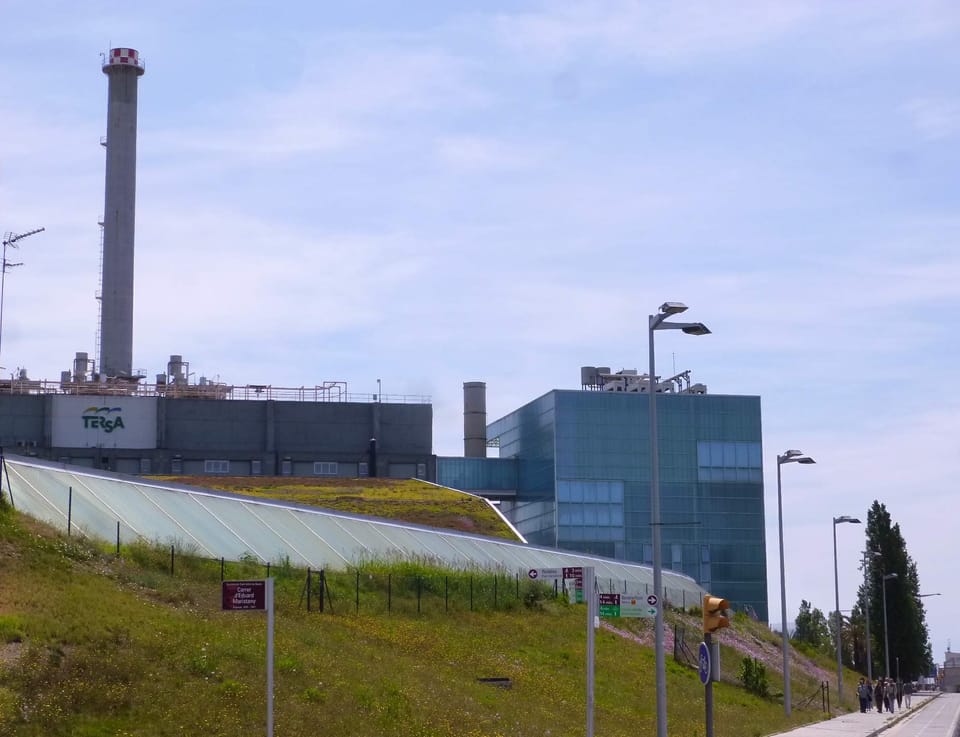
The Àrea Metropolitana de Barcelona (AMB) has begun a comprehensive renewal of its metropolitan waste treatment infrastructure, with a planned investment of approximately €670 million. This follows the impending expiry of long-term operating contracts at key facilities across the region, including Ecoparc 2 in Montcada i Reixac, whose concession ends on 31 December 2027. The AMB, responsible for waste management across 36 municipalities, has recently launched tenders for technical evaluations and operational studies to prepare for the transfer of these facilities. These contracts cover the four main 'ecoparcs', mechanical-biological treatment plants, as well as sorting and composting sites in Gavà, Montcada i Reixac, Torrelles de Llobregat, and Sant Cugat del Vallès.
Strategic Shift Toward Circular Economy
Joan Miquel Trullols, director of Waste Prevention and Management Services at the AMB, described the current phase as the 'second major change' in the region’s waste management history. The initial wave, in the early 2000s, focused on treating waste before landfilling or energy recovery. The new strategy, aligned with the Metropolitan Strategy for Municipal Waste Infrastructure set to 2035, aims to transform plants into hubs for reuse and repair. "Waste must be treated as products, as resources above all," Trullols said. The plan includes establishing a network of satellite plants and around ten new recycling centres to boost material recovery and support the circular economy.
We want the plants to be centres where people can buy or repair second-hand items.
Boosting Organic Waste and Recycling Rates
A key goal is increasing the treatment capacity for organic matter, known locally as the 'FORM' fraction, which currently sees around 170,000 tonnes processed annually across AMB plants. Under the PREMET25 plan, new infrastructure projects are being developed to handle rising volumes. These include a new 50,000-tonne-per-year organic treatment line at the Sant Adrià de Besòs Integral Waste Valorisation Plant, partially funded by €10 million from the EU’s Next Generation funds. Ecoparc 2’s organic processing capacity is also being expanded under a €14 million project financed through the same programme. Meanwhile, a new entry management system has been implemented at the composting plants in Torrelles and Sant Cugat, featuring automated gates, number plate recognition, and QR code readers to streamline collection logistics. The compost produced at Torrelles de Llobregat has achieved certification under the UNE 142500 standard for use in organic farming, the first such recognition in Catalonia and Spain for compost derived from municipal organic waste.
Contracts and Competition in Waste Operations
Six tenders for preliminary studies have been issued, valued at €8.1 million collectively, to assess the future operation of the facilities. Two contracts, worth €7.2 million, cover the composting plants in Torrelles and Sant Cugat, both operating under two-year contracts extendable by another two years. For the Sant Cugat facility, only one bid was received, from PreZero Gestión de Residuos S.A. for €2.2 million. In contrast, six companies submitted offers for the Torrelles plant: PreZero, Bures Profesional S.A., Urbaser S.A., Valoriza Servicios Medioambientales S.A., Veolia Serveis Catalunya S.A., and José Antonio Romero Polo S.A.U. The winning bidders will be announced in the coming weeks. The current sorting plants in Gavà and Montcada i Reixac have had their treatment capacity increased to 66,000 tonnes per year of lightweight packaging (yellow bin waste) by adding an extra shift. An investment has also been approved at the Gavà facility to improve efficiency. The AMB continues to work with local councils to boost bulky waste collection, which rose from 286,000 to 310,000 tonnes between mandates, partly by reclassifying street cleaning waste.
Public Incentives and Future Goals
To combat stagnation in selective collection rates, the AMB is considering financial incentives for residents who separate waste properly, such as reductions in their local waste tax. A major challenge remains the presence of organic matter in residual (grey bin) waste, which the new infrastructure aims to reduce. The reforms mark a shift from disposal to resource recovery, with the ultimate aim of minimising landfill use and maximising reuse, recycling, and composting across the metropolitan area.
Reported by elperiodico.com, memoria2023.amb.cat, memoria2019.amb.cat, docs.amb.cat, El Periódico Barcelona.