City Council Moves to Reinstate IBI Surcharge
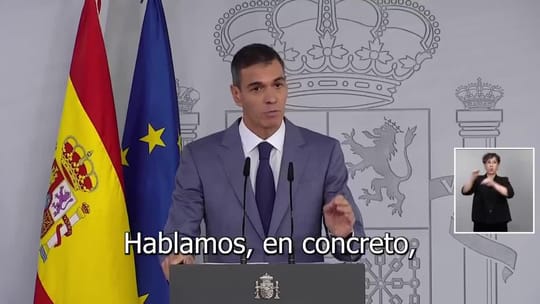
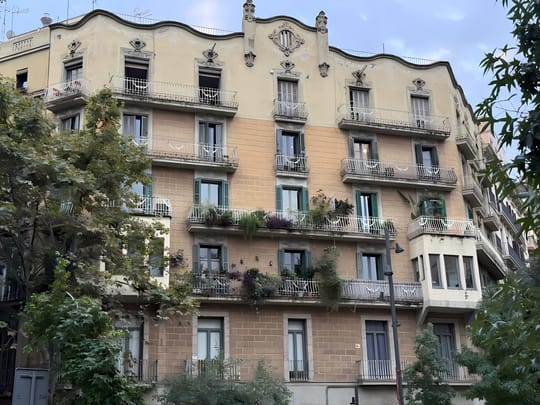
Barcelona City Council has announced it will revive its proposal to raise the Property Tax (IBI) on tourist-use dwellings (VUTs), following the Spanish government’s decision to reapprove housing-related royal decree-laws. The move comes after Congress rejected the so-called 'Maricarmen decrees' last Friday, which had included provisions allowing municipalities to exceed local IBI caps in areas with strained housing markets. On Tuesday, Jordi Valls, fourth Deputy Mayor of Barcelona, confirmed the municipal government’s intention to push forward with a tiered surcharge: a 50% increase for owners with one VUT licence (3,274 properties), 100% for those with two or three licences (1,276), and 150% for owners holding more than three (6,077). There are currently 10,627 active VUT licences in the city.
We ask the mayor to, with coherence and without hiding behind rhetoric, bring this measure for extraordinary and urgent approval, if possible this week rather than next.
The proposal will be presented to the municipal economy commission in the coming days, ahead of a full plenary vote. If approved, the new rates could take effect in January 2027.
Municipal Revenue and Housing Goals
Mayor Jaume Collboni estimates the measure would generate around seven million euros annually for the city’s coffers. He has stated these funds would support the promotion of protected housing, aligning with his administration’s goal to eliminate existing legal tourist apartments by 2028. However, under current local finance law, Barcelona cannot unilaterally exceed the statutory IBI cap. The original route depended on national legislation, specifically the housing decrees, to override this restriction. This Tuesday, the Council of Ministers approved revised versions of the decrees. They will now be published in the Official State Gazette (BOE) and submitted for validation by the Permanent Deputation of Congress within 30 days. This body assumes parliamentary functions during the dissolution period ahead of the 29 November general elections.
Governing tourism is that, making those who profit from it contribute more to the city.
ERC’s municipal group reiterated its support for the IBI increase and urged the mayor to apply it at the maximum rate from the first tourist apartment. Comuns councillor Carol Recio also backed the plan and called for swift action, urging the mayor to fast-track the proposal for approval in December. Opposition criticism came from Junts per Barcelona leader Jordi Martí, who accused Collboni of prioritising party politics over residents’ needs. “Barcelona does not deserve a mayor who governs for the interests of the PSOE and Pedro Sánchez, and not for the people of Barcelona,” he said, questioning the socialists’ moral authority on housing policy.
National Context and Next Steps
The Permanent Deputation consists of 69 members, with PSOE, Sumar, ERC, EH Bildu, Podemos, and PNV holding 35 seats collectively, one more than the combined total of PP, Vox, and Junts. While PNV support remains conditional on safeguards for small property owners, their backing could allow the first decree, enabling increased taxation on tourist rentals, to pass. The second decree, concerning indefinite rental contracts with automatic renewal, lacks PNV support and may fail again. Residents and property owners can follow updates on the Barcelona City Council’s official portal as the process unfolds.
Primary sources: granollers.cat, Barcelona City Council. Reported by Jaime Barrionuevo of, Clara Cerrada of, democrata.es, lavanguardia.com, 2 minutes, laprovincia.es, totbarcelona.cat, elperiodico.com, El Periódico Barcelona.