Service demand surges due to extreme weather
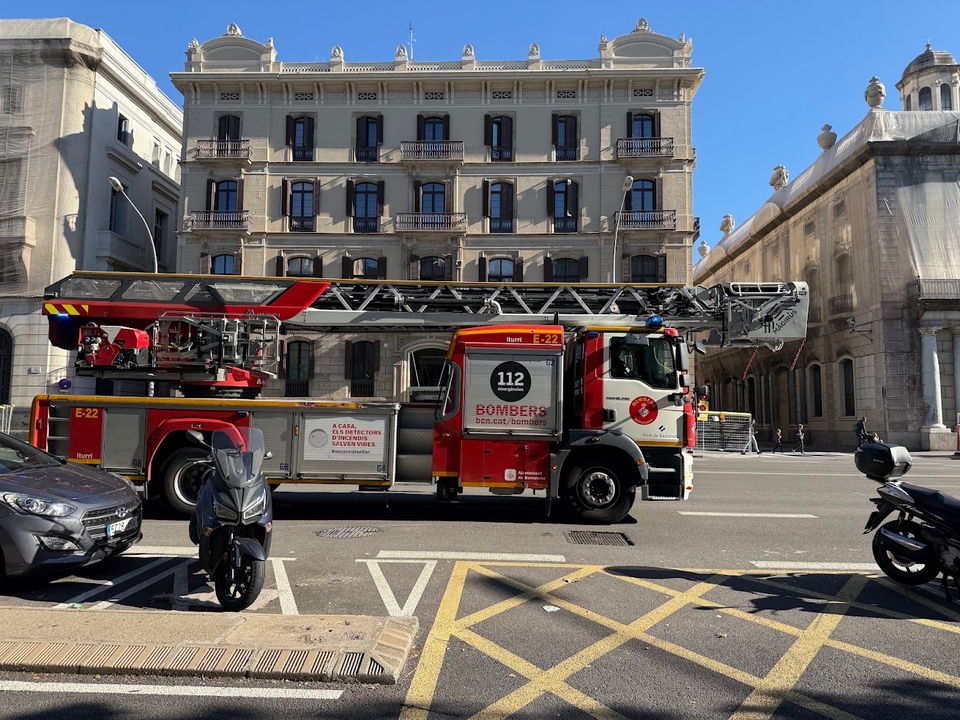
Barcelona Firefighters have seen a sharp rise in emergency responses in recent years, driven by increasingly frequent extreme weather events such as intense downpours and summer heatwaves. Director Sebastià Massagué confirmed in a recent interview that the corps responded to 26,000 incidents in 2025, up from 16,000 in 2015, and forecast that 2026 will likely exceed that figure. Massagué noted that during episodes of heavy rain, the service has handled up to 200 operations in a single day, with between 800 and 1,200 calls. He highlighted a significant shift: while days with over 100 emergency responses were once limited to three or four annually, there have already been 11 such days this year.
Adapting to a changing climate
It is impossible to foresee things that you don't know will happen.
Massagué acknowledged that Barcelona is experiencing the tangible effects of climate change, with unpredictable weather patterns complicating emergency planning. He explained that events once expected only once every decade are now occurring annually, accelerating the need for updated training and operational readiness. Despite the challenges, the fire service is adapting through enhanced technology and response capacity. The unpredictability of extreme weather, however, continues to strain resources and raise concerns about long-term staffing and infrastructure needs.
Strategic expansion to 800 firefighters
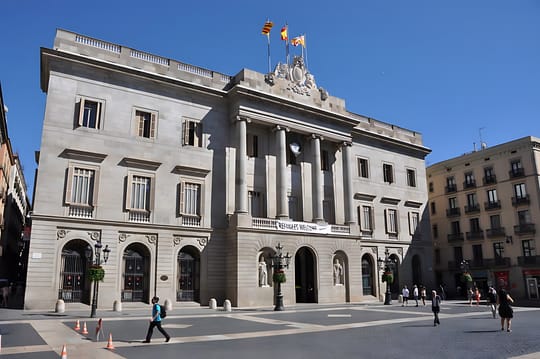
To meet rising demands, the Barcelona City Council approved a new strategic plan in April 2026 outlining reforms for the 2026–2035 period. The plan focuses on prevention, inter-agency coordination, and adaptation to urban, technological and climate-related risks. Under the plan, the number of active firefighters will increase from the current 703 to 800 to maintain service quality amid growing call volumes. The strategy also includes the development of a new infrastructure map and the launch of the Barcelona Emergency Operational Coordination Centre at Les Tres Xemeneies. The five-pillar strategy includes improving citizen proximity, cooperation between emergency services, professionalism and staff welfare, logistics responsibility, and technological innovation. The goal is to ensure a resilient, modern emergency service capable of handling evolving risks.
What this means for residents
Barcelona residents can expect improved emergency response resilience as the fire service expands. The changes are designed to ensure faster, more effective interventions during extreme weather, which is forecast to remain frequent. Further details on the fire service plan are available on the Barcelona City Council's official page.
Sources: betevé, Ajuntament de Barcelona.