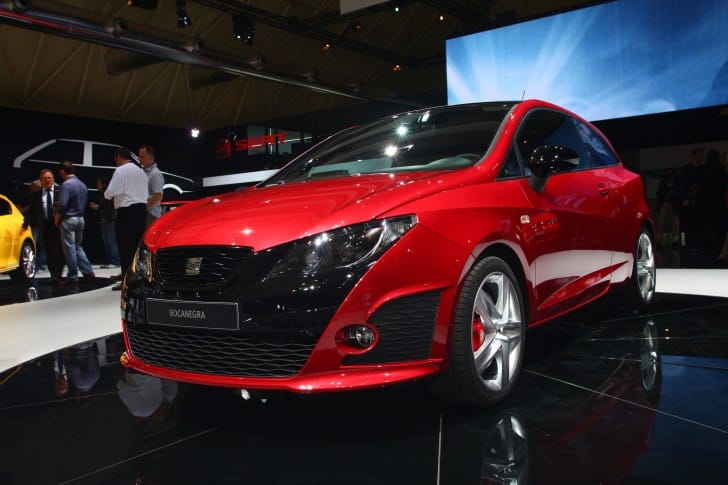
Volkswagen plans to phase out the Seat brand by the end of 2029 at the latest, as part of a sweeping cost-cutting and restructuring strategy aimed at reducing complexity and focusing investment on higher-growth brands like Cupra.
The decision, reported by German business weekly Wirtschaftswoche and confirmed in documents reviewed by marketscreener.com, stems from a management board resolution that will be voted on by Volkswagen’s supervisory board. Seat is no longer included in the group’s 2030 strategic vision, with the rationale stating that continuing the brand in its current form would tie up resources better allocated to the Cupra brand group.
Cupra, originally a performance sub-brand of Seat, has evolved into an independent marque focused on electrified and design-led vehicles. It now outsells Seat and is central to Volkswagen’s turnaround plan. The German automaker aims to streamline its portfolio by cutting the number of models by 50% by 2035 and reducing variants by up to 75%, according to internal strategy documents.
Union Resistance and Spanish Industrial Impact
The potential discontinuation of Seat, a brand founded in Barcelona in 1950 and long tied to Catalonia’s industrial identity, has sparked concern among Spanish unions. While Seat management has stated that “no decision has been made” and that any strategic moves will be announced “when the time comes”, union leaders warn that the long-term future of the Martorell factory hinges on securing new model assignments.
Matías Carnero, general secretary of UGT at Seat and a member of Volkswagen’s supervisory board, stressed the need for a second electric vehicle platform at Martorell to maintain production volume. The factory currently produces the Seat Ibiza, Arona, and León, but has seen no new model launches in over seven years.
"Continuing Seat in its current form would tie up additional resources, while strategic development within the Cupra brand group is to be prioritized."
Despite the uncertainty, Martorell remains active: 500 temporary workers were recently made permanent, and the plant is expected to produce new electric models for Volkswagen, Skoda, and Audi. However, union representatives caution that without new platform commitments, future workload could decline.
Broader Restructuring Amid Global Pressures
The Seat phase-out is part of a wider transformation under CEO Oliver Blume, who faces resistance from employee representatives and the state of Lower Saxony over plans to cut global management roles and potentially close four German plants, Zwickau, Emden, Hanover, and Audi’s Neckarsulm site, by 2034.
Volkswagen cites increasing competition from Chinese automakers, declining sales in China, and US tariff barriers as key drivers of the restructuring. The company has already agreed to cut 50,000 jobs globally, with 37,000 termination agreements signed as of late 2024.
A Volkswagen spokesperson declined to comment on internal documents, stating: “These are discussed and approved in the responsible bodies. We will not prejudge that process.”
Reported by eldiario.es, in.marketscreener.com, marketscreener.com, en.ara.cat, electrive.com, daxstreet.com, cnbc.com, uk.marketscreener.com, hk.marketscreener.com, businessday.co.za, volkswagen-newsroom.com, fleetnews.co.uk, iwo.de.