Police Request Urgent Judicial Access
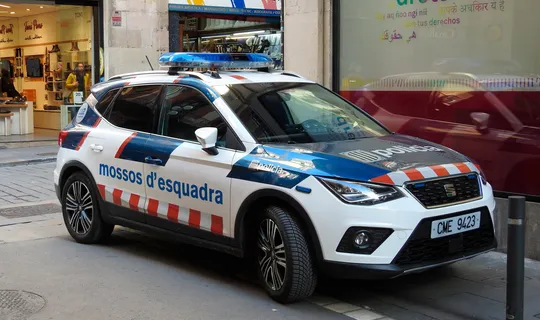
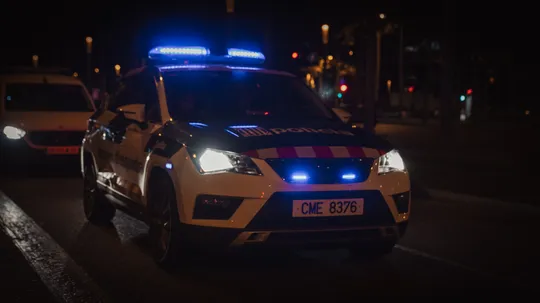
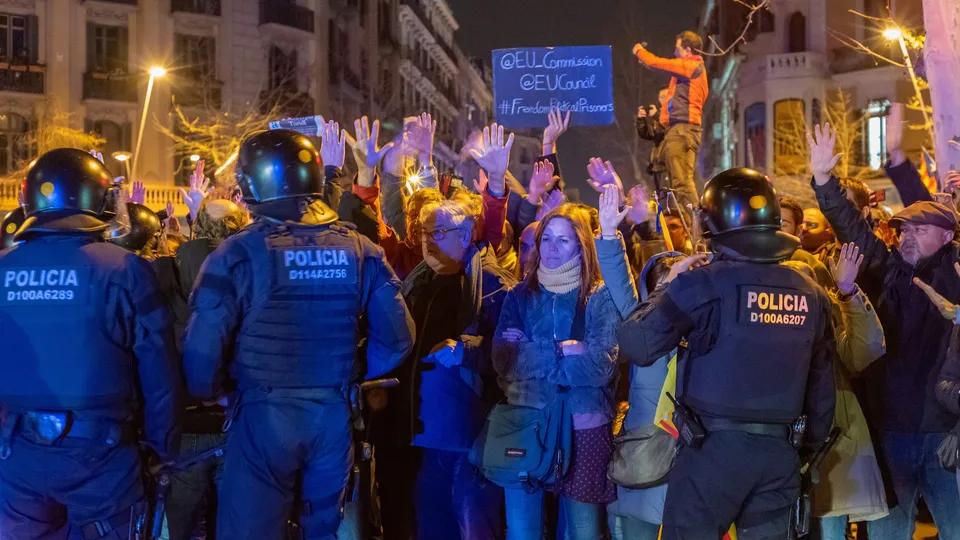
The Mossos d'Esquadra will request urgent judicial authorisation to access messaging platforms and trace the origin of a call that led to violent disturbances and looting in central Barcelona on Saturday 24th October 2026. The move was confirmed by Núria Parlon, Minister of the Interior of the Generalitat, in an interview with Catalunya Ràdio, as part of an ongoing investigation into the organisation and dissemination of the protest call. The call, which spread via TikTok, Instagram, WhatsApp, and Telegram, mobilised around 500 young people in Plaça Catalunya. According to the Mossos, the gathering was unauthorised and lacked political slogans or banners. Instead, participants, many wearing black clothing, hoods, and face coverings, engaged in coordinated acts of vandalism and looting.
We are working on social media to find out who is behind this call and what the profile of the organisers and participants is,
, Sílvia Catà, Chief Commissioner of the Mossos d'Esquadra
Focus on Minors and Online Recruitment
Of the 128 people arrested during the riots, 72 were minors, 56% of the total, according to the Mossos’ official balance. The Juvenile Prosecutor’s Office has requested the internment of six minors and a ban on attending public gatherings for 20 others. Around 40 adult detainees were scheduled to appear before the courts on Monday 26th October. Police seized pyrotechnics, balaclavas, sprays, stones, and bladed weapons near Plaça Catalunya before the violence erupted. The Mossos suspect the protest was not spontaneous but coordinated through private messaging groups, with specific instructions shared on how to avoid identification and carry out attacks. The platform Blocus, which shared a QR code linking to WhatsApp and Telegram groups, was central to the mobilisation. While the main profile has since been removed, others have called for further protests, including one planned for Madrid next weekend.
Police Response and Criticism
Despite deploying over 250 officers, including Mossos and Guàrdia Urbana, and identifying more than 400 individuals before the unrest began, authorities were overwhelmed. At the peak, up to 500 youths, moving in fast, small groups, targeted at least 23 shops, breaking windows and looting electronics, clothing, perfumes, and mobile phones. The Firefighters conducted 33 interventions to extinguish fires in bins, street furniture, motorcycles, and bicycles. Fourteen Mossos agents and one Guàrdia Urbana officer were injured, four of them seriously. Roger Pallarols, general director of the Barcelona Restaurant Guild, criticised the police deployment as inadequate, stating it “was not up to par.” However, Parlon defended the operation, noting that 210 Public Order officers conducted searches and made identifications before any crimes were committed, which she said would yield valuable investigative leads.
Unprecedented Pattern of Violence
Parlon described the events as “something new” for Catalan police, diverging from typical protest patterns where a small group breaks away from a larger demonstration. Instead, she said, the groups acted with premeditated intent to smash shop windows and commit robberies. The Mossos had been monitoring social media for days and had detected calls to replicate French-style riots. They were aware of Telegram groups with up to 700 members and had removed construction materials from La Rambla that could be used as projectiles. Authorities are now urging WhatsApp, Telegram, and other platforms to close groups inciting violence. Parlon stated such behaviour is “intolerable,” stressing that while protest is legitimate, looting and social chaos are not.
Sources: El Periódico, Ara, barcelonapress.com.