Soaked and Stranded: Life on the Streets in Torrential Rain
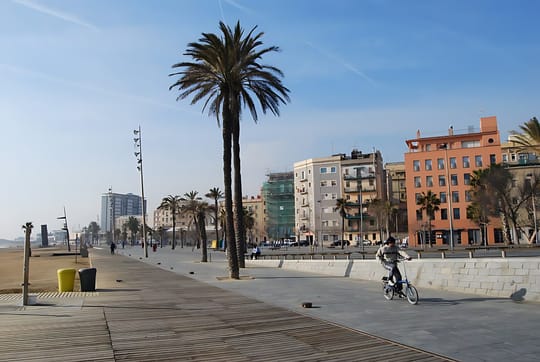
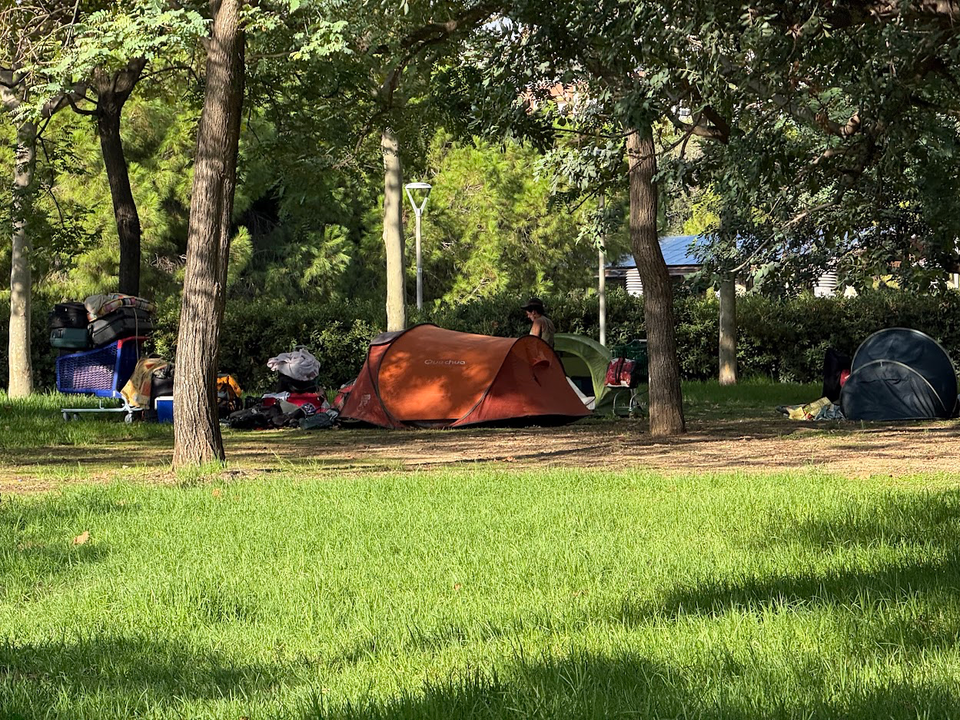
On Tuesday 20th October 2026, after two consecutive days of heavy rain, a brief spell of sunshine emerged in Barcelona, offering a rare chance for homeless residents to dry soaked belongings. People could be seen hanging wet blankets, clothing, and tents in public spaces across the city, from Sant Joan promenade to Consell de Cent street and outside the Caprabo supermarket on Provença, where sleeping bags, bikes, and shopping carts were laid out under the weak sun. Josep Maria, who has been homeless since he and his 90-year-old mother were evicted from their rental home when the property changed ownership, spent the night with four others on the porch of a school in Eixample. His clothes, pillows, and personal documents, including contact numbers for shelters and social services, had all been soaked. “No te quitas la humedad de encima,” he said on Tuesday morning, “You can’t shake off the dampness.” Saliou, a Guinean scrap collector, described how he and his brother have taken turns standing guard during rainstorms to keep water from flooding their tent. “One sleeps, the other watches. The cold is horrible,” he said, speaking partly in French.
Record Rainfall Exacerbates Homelessness Crisis
Between September and October 2026, over 450 litres of rain per square metre fell in Barcelona, equivalent to 75% of the city’s average annual rainfall. According to data from the Observatori Fabra Betevé, this is just 40 litres short of the highest recorded precipitation in 240 years, described as a “barbarity” by meteorologists. The relentless rain has made life on the streets significantly more dangerous and degrading. With no dry indoor space available during the day, homeless individuals struggle to protect their belongings. Josep Maria explained that while he uses building entrances, park tunnels, or familiar bars to rest, these spaces are often wet and lack seating. He carries all his possessions in a supermarket trolley covered with a torn industrial trash bag. Beatriz Fernández, director of the homelessness charity Arrels, confirmed that nearly 2,000 people are currently sleeping rough in Barcelona. She stressed that people without homes continue to move through the city even when authorities advise the public to stay indoors during extreme weather.
“In a situation of increasingly complex climate conditions, we will have to reinforce our response to homelessness,”
said Raquel Gil, deputy mayor for social rights at Barcelona City Council, during a social rights commission meeting on Tuesday. She confirmed that during the peak of the storm, which triggered a level 6 civil protection alert, the city opened the Dos de Maig emergency shelter for the first time due to rainfall. Originally used during heatwaves and winter cold spells, the two-storey facility operated for four nights instead of the planned two, hosting 360 overnight stays. Street outreach teams contacted known homeless individuals by phone and in person, while day centres extended their hours and offered showers, rest areas, and clothing changes.
Communication and Mobility Challenges
Despite these efforts, reaching people remains difficult. Mobile phones, essential for receiving alerts like EsAlert, are hard to keep dry and charged on the streets. As a result, many do not receive official updates about shelter availability. Even when help is offered, moving with waterlogged belongings, which can weigh significantly more, is extremely difficult. Sara Girón, field team coordinator at Arrels, said the charity has been overwhelmed washing and drying clothes for users, often with volunteers working around the clock. In some cases, people have left behind wet clothing and taken dry items that do not belong to them, breaking emotional ties to personal items such as family blankets or inherited sleeping bags.
Community Support Steps In
The crisis has highlighted the vital role of informal support networks. Local bars have warmed food bought by neighbours; shop assistants have paid for Decathlon tents or topped up prepaid phones; and some apartment buildings have offered daytime storage for mattresses and cardboard. Public facilities like libraries and museums are also used by homeless people to charge devices, store belongings, use restrooms, and simply stay warm and seated. These everyday acts of solidarity have become essential lifelines during one of the wettest periods in Barcelona’s recorded history.
Primary sources: Ajuntament de L'Hospitalet, l-h.cat, badalona.cat. Reported by elpais.com, Barna.News, eather-and-climate.com, eldiario.es, elperiodico.com, nl.climate-data.org.