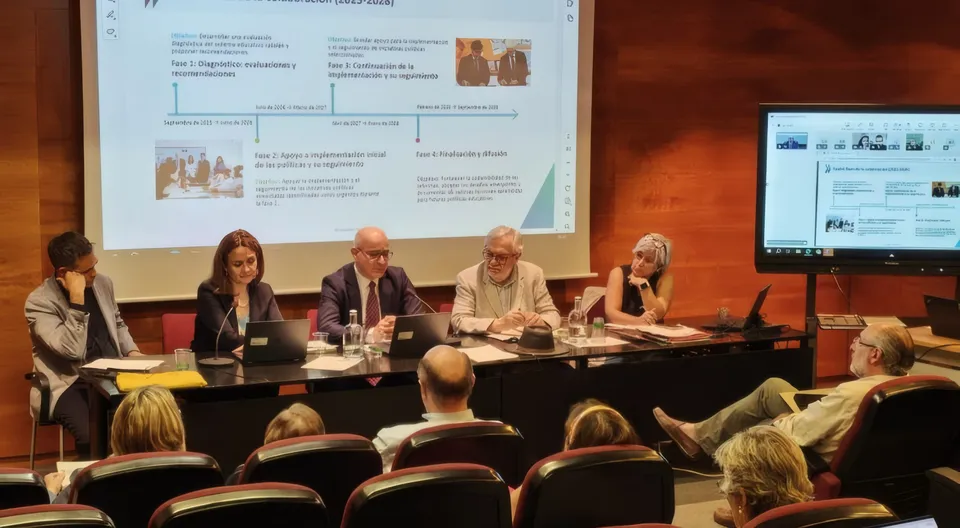
Barcelona, Friday 23rd October 2026, The future of Catalonia's education system will be shaped by a wide-ranging public debate focusing on inclusion, teaching professionalism, and family and municipal co-responsibility, the president of the Consell d'Educació de Catalunya (CEC), Joan Manuel del Pozo, has announced.
The CEC, an advisory body on educational policy, is leading the process commissioned by the Catalan government to address growing concerns over classroom conditions, teacher shortages, and declining public confidence following poor international performance indicators. The aim is to present conclusions by April 2027 that could form the basis of an educational stability pact.
Two-Phase Public Consultation
The consultation will unfold in two phases. Until Christmas 2026, a first phase of highly territorial listening will take place across the 12 regional education services. In each area, four sectoral groups, teachers, parents, students, and school leadership, will meet separately to share perspectives.
From January to February 2027, a second phase will consolidate these inputs into six broader regions. In Barcelona, five separate groups will each focus on one of the key themes. In each of the other five regions, one of the topics will be debated in depth.
Political Engagement and Next Steps
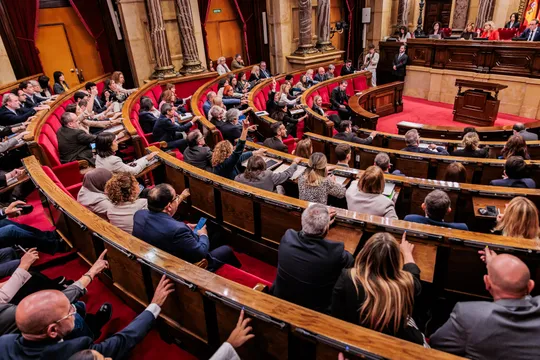
Del Pozo outlined the plan after a meeting in Barcelona with Education Minister Esther Niubó and representatives from PSC, ERC, Junts, Comuns, CUP, and AC. The PP was unable to attend, and Vox is not participating in the process.
The parties present have shown a positive attitude, but they will not take part in the debate phase itself.
Del Pozo stressed that while political support is welcome, the consultation process will be led by educators, families, and local stakeholders rather than political actors. The final report, due in April 2027, is intended to feed into long-term planning ahead of municipal elections, ensuring education remains a cross-party priority.
The Catalan government has framed the initiative as a step towards restoring excellence in education, with Minister Niubó citing a target of 6% of GDP investment in education as part of a broader vision for reform.
Sources: Europa Press, El Periódico.