AI Pilot to Tackle Congestion and Improve Flow
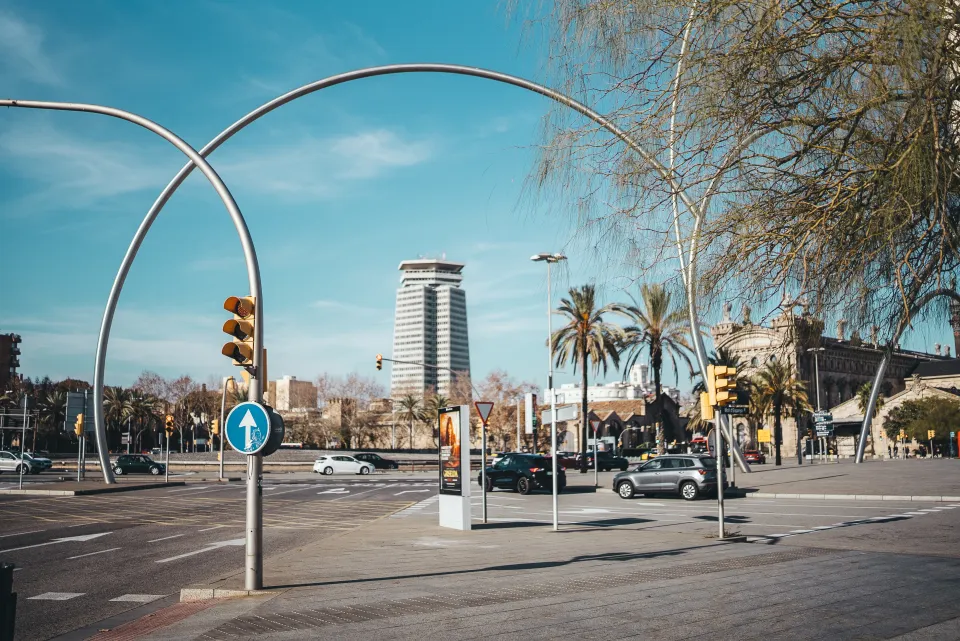
Barcelona will test an artificial intelligence system to optimise traffic light coordination in 2027, following the selection of two winning projects from the Barcelona Innova Lab Mobility (BILM) Challenge. The initiative, led by the Ajuntament de Barcelona and Fira de Barcelona with the Mobile World Capital Foundation, aims to create a more responsive and sustainable urban mobility network. The MATCAB (Multimodal AI Traffic Control Agent in Barcelona) project, developed by CIMNE and Kapsch TrafficCom, will undergo a four-month pilot in late 2027. It uses reinforcement learning algorithms and real-time sensor data to adapt traffic light timings based on current road conditions, coordinating decisions across neighbouring intersections to prevent congestion displacement.
Real-Time Adaptation and Sustainable Priorities
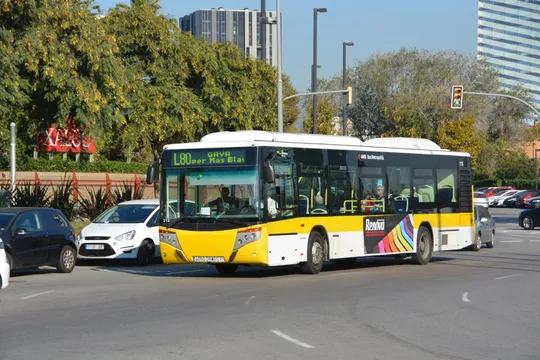
Unlike fixed timing plans, MATCAB integrates historical and live data from multiple transport modes, including buses, bicycles, and pedestrians. The system includes a data harmonisation layer and AI agents trained through simulation to propose real-time signal adjustments. It is designed to work with existing infrastructure and is compatible with Kapsch’s EcoTrafiX platform. The pilot aims to reduce average waiting times for pedestrians and cyclists by 5% and cut severe congestion episodes by 10%. It will also target more reliable and faster journeys on key bus routes, such as the H8. Crucially, the AI cannot override minimum pedestrian crossing times or emergency vehicle priority protocols.
“It’s not simply about making traffic lights react faster, but about using the data we already have and advanced simulation to make better decisions for everyone,”
Each of the two selected projects, including MATCAB and Acisa’s Mobia digital twin solution, will receive €100,000 in municipal funding. The trials will take place at different road junctions across the city and are expected to generate valuable insights for future AI applications in urban mobility. The BILM Challenge received 26 proposals from 14 countries, reflecting its international scope. The roadmap for AI integration in traffic management was jointly developed by Barcelona’s Mobility Department and the Universitat Politècnica de Catalunya (UPC).
What it means for you
- When: A four-month pilot will take place in 2027.
- Where: The pilot will be conducted at different road junctions in Barcelona.
Sources: Diari Catalunya, Ajuntament de Barcelona, diaricatalunya.cat.