Smart System Aims to Reduce Conflict in Shared Spaces
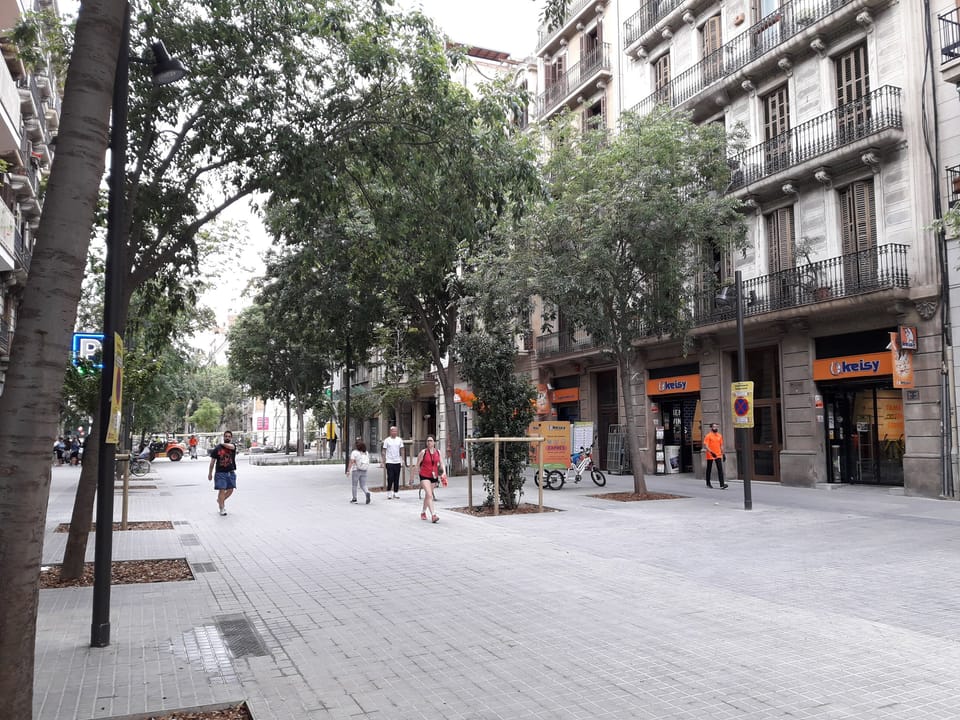
The Barcelona City Council has launched a two-phase pilot program to improve safety and coexistence between pedestrians, cyclists, and personal mobility vehicle (PMV) users on two busy streets: Gran de Sant Andreu and Consell de Cent. The initiative, active on Gran de Sant Andreu from 23 September to 4 October 2026, will deploy a temporary technological system that monitors pedestrian flow and density in real time. When thresholds are exceeded, dynamic warning messages will appear on a variable message screen, urging vehicle users to slow down and exercise caution.
How the Trial Works
A central camera will collect real-time data on pedestrian movements, while supplementary cameras will record the speed, volume, and type of bicycles, scooters, and other vehicles using the shared space. This data will help assess the effectiveness of the warnings and inform future urban mobility policies. An information totem with explanatory panels will inform the public about the trial, traffic rules in shared zones, and its objectives. Users can also access a survey link to share their views on whether the system improves their sense of safety. The second phase will run on Consell de Cent street, between Passeig de Gràcia and Rambla de Catalunya, from 12 to 25 October 2026.
Part of European Urban Mobility Project
The pilot is part of the Horizon Europe-funded REALLOCATE project, which aims to promote climate-friendly, active transport across ten European cities working in twin-city pairs. Barcelona is participating as a Lead City alongside Bologna. The project builds on a two-year city study that found actual accident rates in shared spaces are low, but perceptions of danger persist due to high volumes and speeds of cycling and PMV traffic.
This trial helps bridge the gap between real safety and perceived risk in our most used public spaces,
said the Chief Architect's Office, which is coordinating the pilot. The data gathered will support evidence-based decisions on how to redesign streets for safer, more inclusive mobility.
Residents and visitors are encouraged to observe the warnings and participate in the online survey during the trial periods to help shape future urban design.
Primary sources: ajuntament.barcelona.cat.