Residential Investment Declines Amid Regulatory Pressure
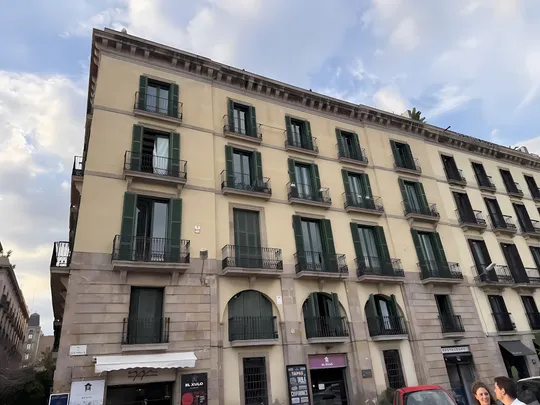
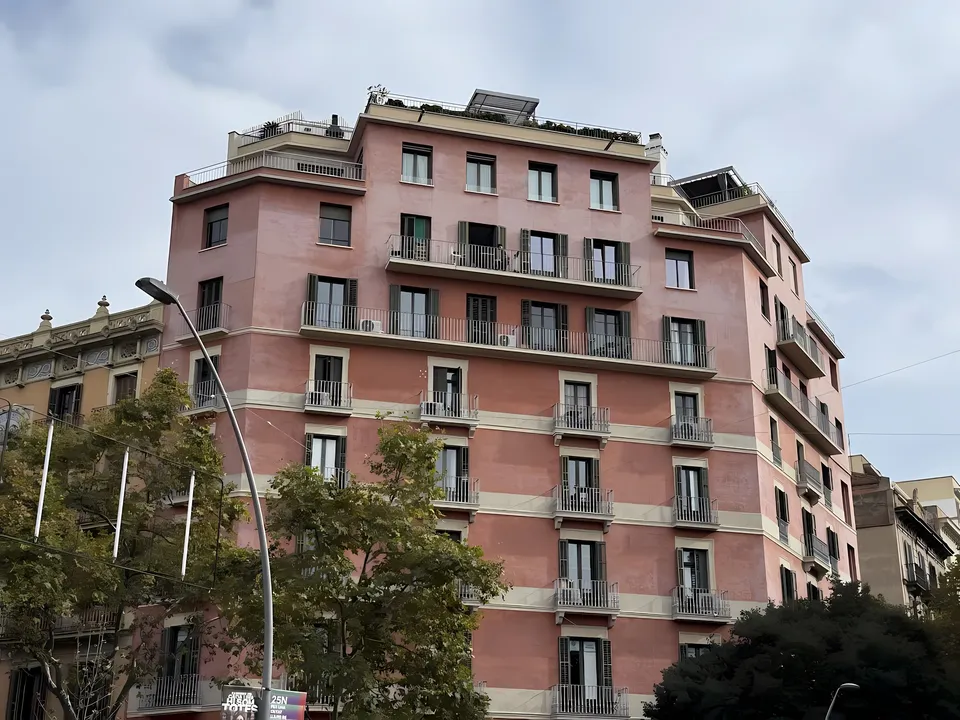
Purchases of entire residential buildings in Barcelona dropped to 149 formalised sales in 2025, down from 217 in 2024, according to data from the Barcelona City Council. This over 30% decline is attributed by city officials to the success of housing regulations, including the planned end of tourist apartments by 2028, the city's designation as a stressed residential area, and the introduction of rent caps. Christian Gracia, director of investment at real estate consultancy Forcadell, stated that "the increase in regulatory intervention" and proposed market controls have made residential block investments less attractive. He noted there are now "more properties on the market than investors willing to acquire them", with growing difficulties in finalising deals.
Investors Turn to Offices and Commercial Spaces
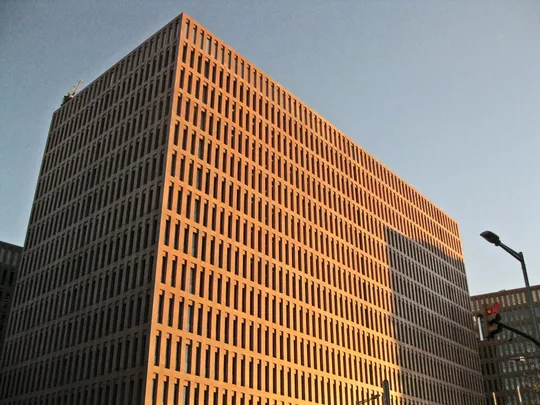
Carlos Bajo, managing director at Laborde Marcet, confirmed that investor interest has waned due to uncertainty over profitability under the current fiscal and regulatory framework. "Regulatory and fiscal uncertainty weighs increasingly on investment decisions," said Montserrat Junyent, president of the Association of Real Estate Agents of Catalonia. Factors cited include rent limitations, changes in rental contract rules, expanded pre-emption rights for the Generalitat, and Catalonia’s 20% property transfer tax on entire buildings. As a result, capital is being redirected to industrial warehouses, offices, retail premises, hotels, and parking spaces, which are seen as offering more stable returns.
"We continue to advise on residential block operations, but we’ve increased our activity in retail and office advice,"
admitted Bajo.
Shift Seen in City Centre Districts
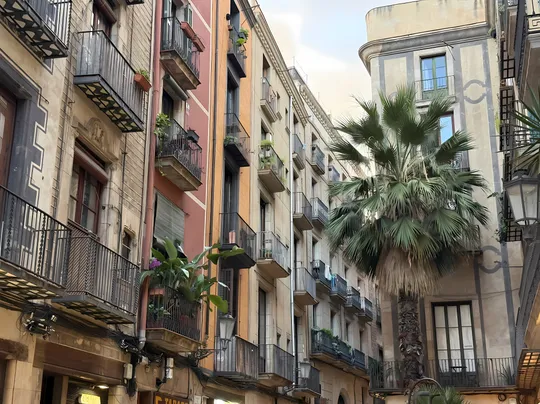
Ciutat Vella and Eixample accounted for one in three vertical property acquisitions after the pandemic, driven by high residential demand and a concentration of single-owner buildings. However, transactions in Ciutat Vella fell by 46.3% in 2024 compared to 2023, while Eixample saw a 29% drop compared to 2021. Between 2021 and 2025, 297 entire residential buildings were listed for sale in these two districts, though data may include duplicates. Across Barcelona, 947 multi-dwelling properties were marketed in the past five years, whether vacant or tenanted.
City Council Uses Pre-emption Rights to Expand Affordable Housing
The Barcelona City Council is notified of every full building transfer to assess whether to exercise its pre-emption and redemption rights. Between 2019 and 2025, it used this mechanism to acquire 23 properties for a total of €71.73 million, including the purchase of Casa Orsola for affordable housing. One major acquisition includes the full purchase of the noucentista building at Via Laietana 8-10 for €22.35 million, which will become a central administrative hub for over 700 municipal staff. This move is expected to free up space for nearly 80 publicly owned homes and a new primary healthcare centre in the Gòtic neighbourhood.
"Reducing the number of sales is not, in itself, synonymous with solving the housing problem,"
cautioned Junyent. She stressed the need to evaluate whether current measures increase housing availability, improve conditions, and ensure affordability. While the council argues that regulations are curbing speculation, critics warn that discouraging investment may also limit funds needed for building rehabilitation and stock improvement.
Sources: El Periódico, Ajuntament de Barcelona.