Picking where to live in Barcelona is the question every newcomer asks and the one a listing photo never answers. The city splits into ten districts, and inside them dozens of barrios with genuinely different lives: the quiet upper hills, the central all-rounder, the old town, the beach strip, the village in the middle, the reinvented industrial east, and the better-value fringe. Here is who each one suits, what you trade away, where to actually search, and the rules that govern your contract once you are in.
TL;DR: match the barrio to your daily life, not the photos. Search Idealista and Fotocasa for whole flats, the local Facebook groups for word-of-mouth, and Badi if you only need a room. Then check the live per-district rent figures from Incasol and the city before you sign anything.
First, where to actually search
Two sites carry most of the market. Idealista is the leader for whole flats; Fotocasa is the strong second, and many agents post the same listing on both. Search them in parallel. Beyond the portals, Barcelona's English-speaking and neighbourhood Facebook groups are widely used for word-of-mouth lets and the "I'm leaving, take over my flat" handover that never hits a public site. If you only need a room in a shared flat rather than a whole place, Badi is the go-to: you build a profile, filter by area and move-in date, and message potential flatmates directly.
One warning that applies across all of them: never pay a reservation fee or deposit before viewing in person, and refuse video-call-only viewings. The "I'm abroad, pay first and I'll post the keys" line is the classic con, and members report the same fake profiles recurring across Barcelona, London and Rome rental groups. The market moves in minutes, so be in the city, have your paperwork ready, and call the moment a listing appears rather than relying on a contact form.
Tourism pressure is now the backdrop to almost every neighbourhood decision: our survey coverage found that 76% of Barcelona residents say the city has reached its limit.
The upper barrios: quiet, green, Catalan, far from the sea
In Sarria-Sant Gervasi, the barrios up the hill (Sant Gervasi, Sarria, Tres Torres, Pedralbes, Putxet) read as calm, leafy, family-friendly and properly Catalan, the part of town that feels least like a holiday and most like a home. The trade-off is obvious from a map: you are a long way from the beach, and the metro thins out up here.
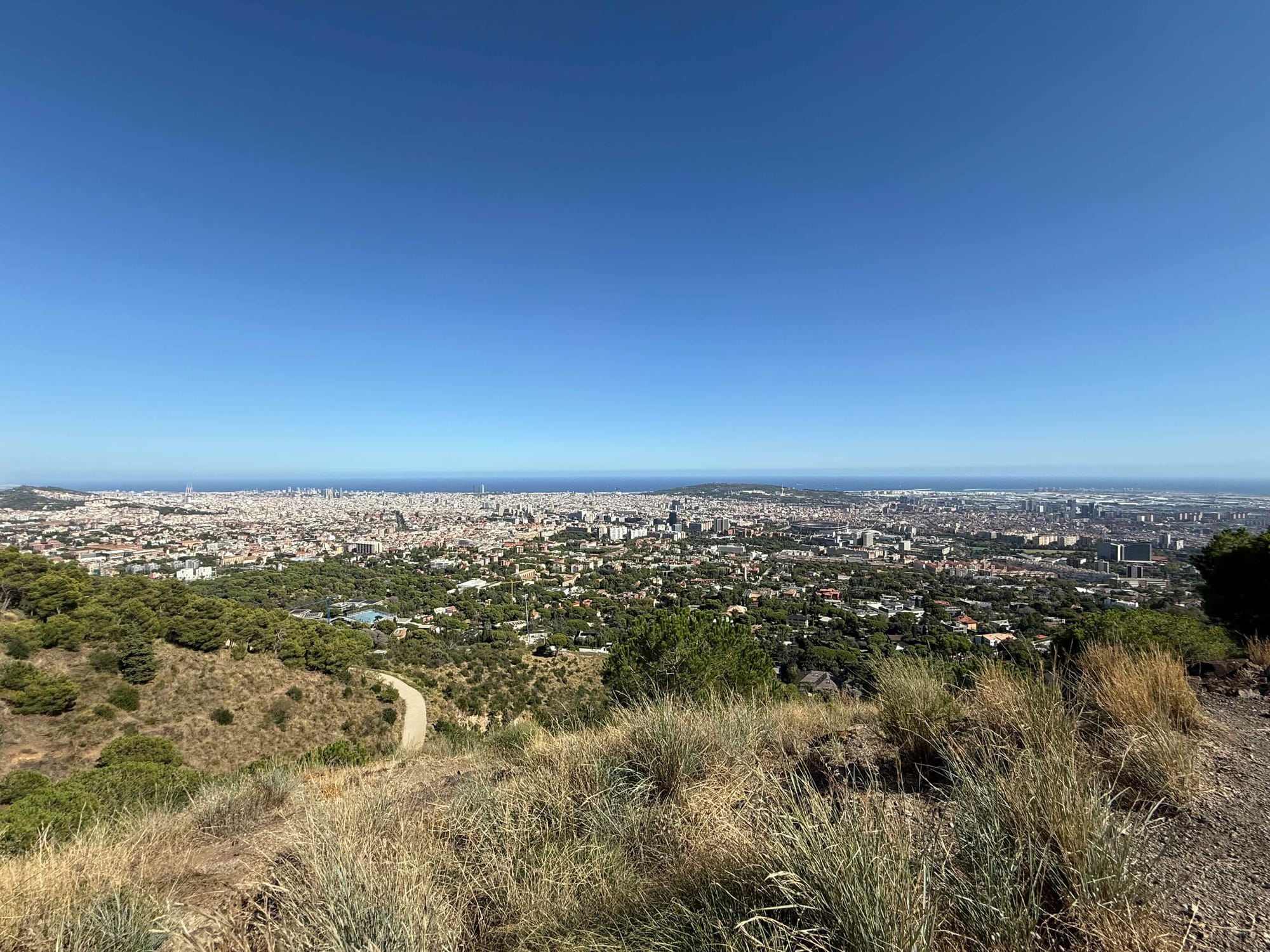
What saves it is the FGC, the Catalan commuter rail run by Ferrocarrils de la Generalitat, which threads through Putxet and Sarria and drops you into the centre fast. If you want space, schools and quiet, and you do not need sand on a Tuesday, this is your zone. If your social life is on the seafront, you will resent the commute. Our Rodalies and FGC cheat sheet is worth a read before you commit to anywhere hill-side, because the line you live near matters more than the postcode.
Suits: families, remote workers, anyone after calm over buzz.
Eixample: the best all-rounder, and priced like it
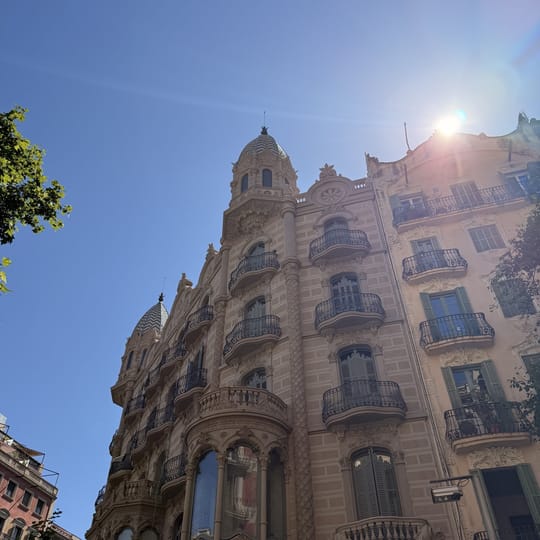
Eixample is the grid. Wide blocks, those chamfered octagonal corners, everything walkable, the metro everywhere you turn. It comes up again and again as the best compromise: central, well-connected, never far from anything.
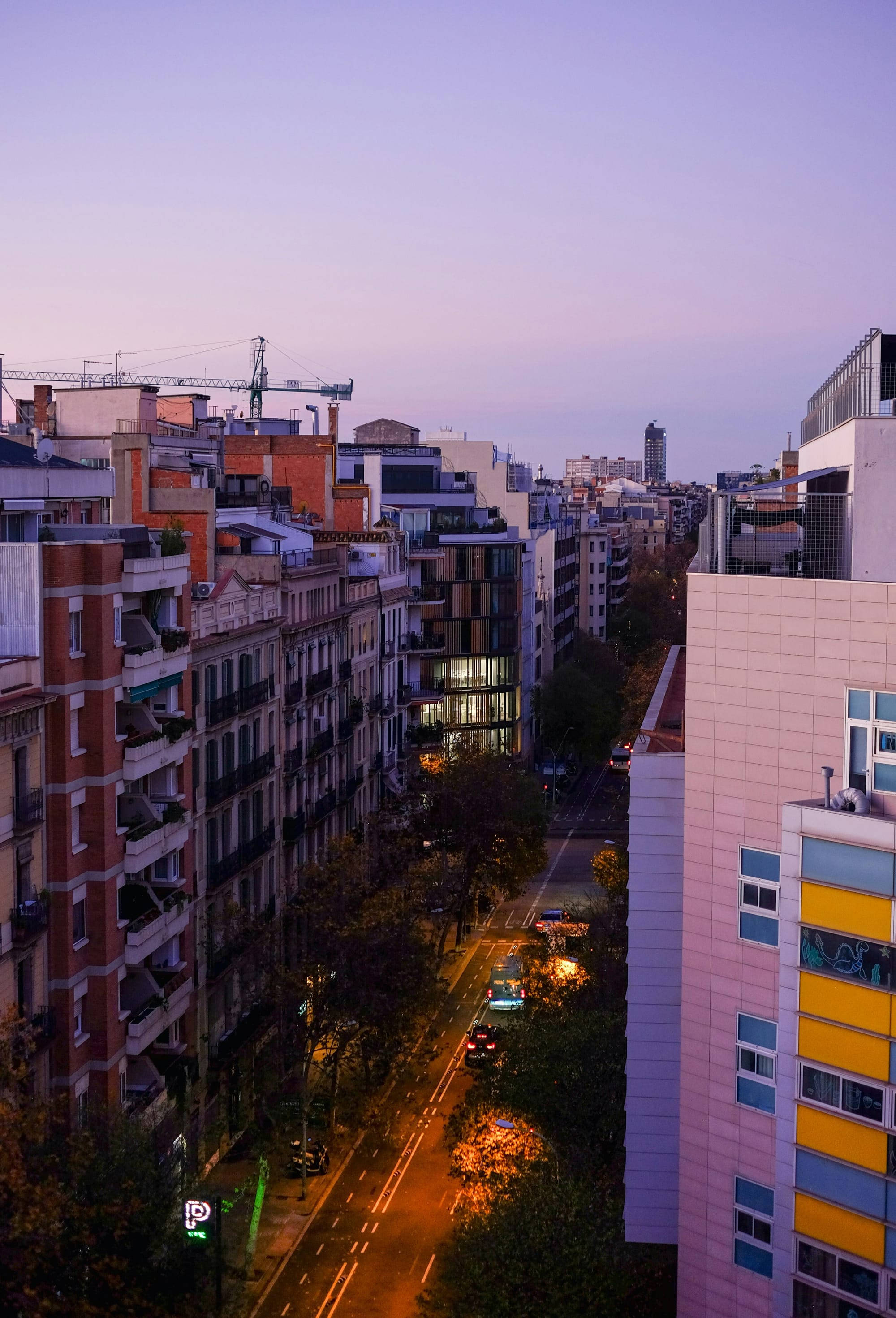
The catch is price. Eixample rents sit close to the upper barrios, and the grid draws the same demand as the tourist core without always feeling like it. The internal split matters. The Dreta de l'Eixample (the right side, towards Sagrada Familia and Passeig de Gracia) feels more polished and pricier; the Esquerra and the streets around the markets feel more lived-in.
Sant Antoni: the foodie corner of the Esquerra
Worth pulling out on its own. Sant Antoni sits in the lower-left of Eixample around its restored iron market hall, and it is the barrio people point to when they want central and walkable without paying full Dreta prices. It has turned distinctly food-and-coffee-led over the last decade. The flip side: residents flag pockets near the Raval edge that can feel rougher at night, so walk the specific block before you sign.
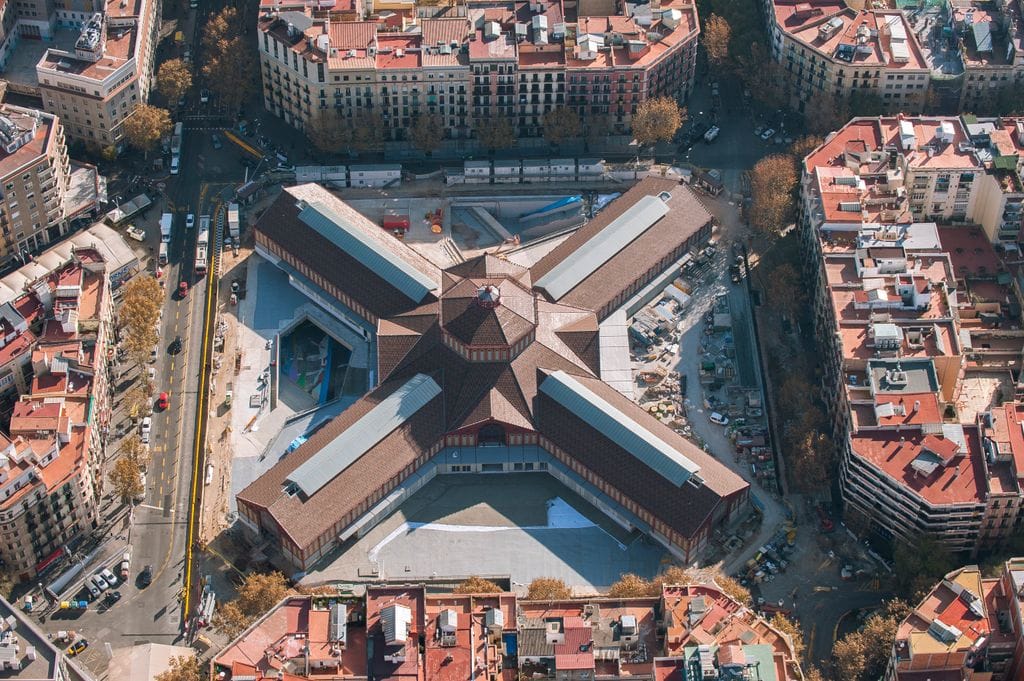
Suits: people who want one central address to do everything, with Sant Antoni the value play inside it.
Ciutat Vella: the old town, barrio by barrio
The historic core is one district but four very different lives. Treat them separately.
El Gotic is the medieval heart: stone alleys, postcard squares, history on every corner. It is also the most tourist-saturated part of the city, can be noisy late, and pickpocketing is concentrated here. Romantic to walk, harder to live in quietly.
El Born (officially Sant Pere, Santa Caterina i la Ribera) is the part of the old town most people fall for. Narrow lanes, the Santa Caterina market, independent shops, and a dense, walkable food and bar scene, with the Ciutadella park on the doorstep for green space the rest of Ciutat Vella lacks. It is central, characterful and priced accordingly. If you are weighing it up, our roundup of the best restaurants in El Born gives you a feel for the daily texture of the barrio better than any floor plan.
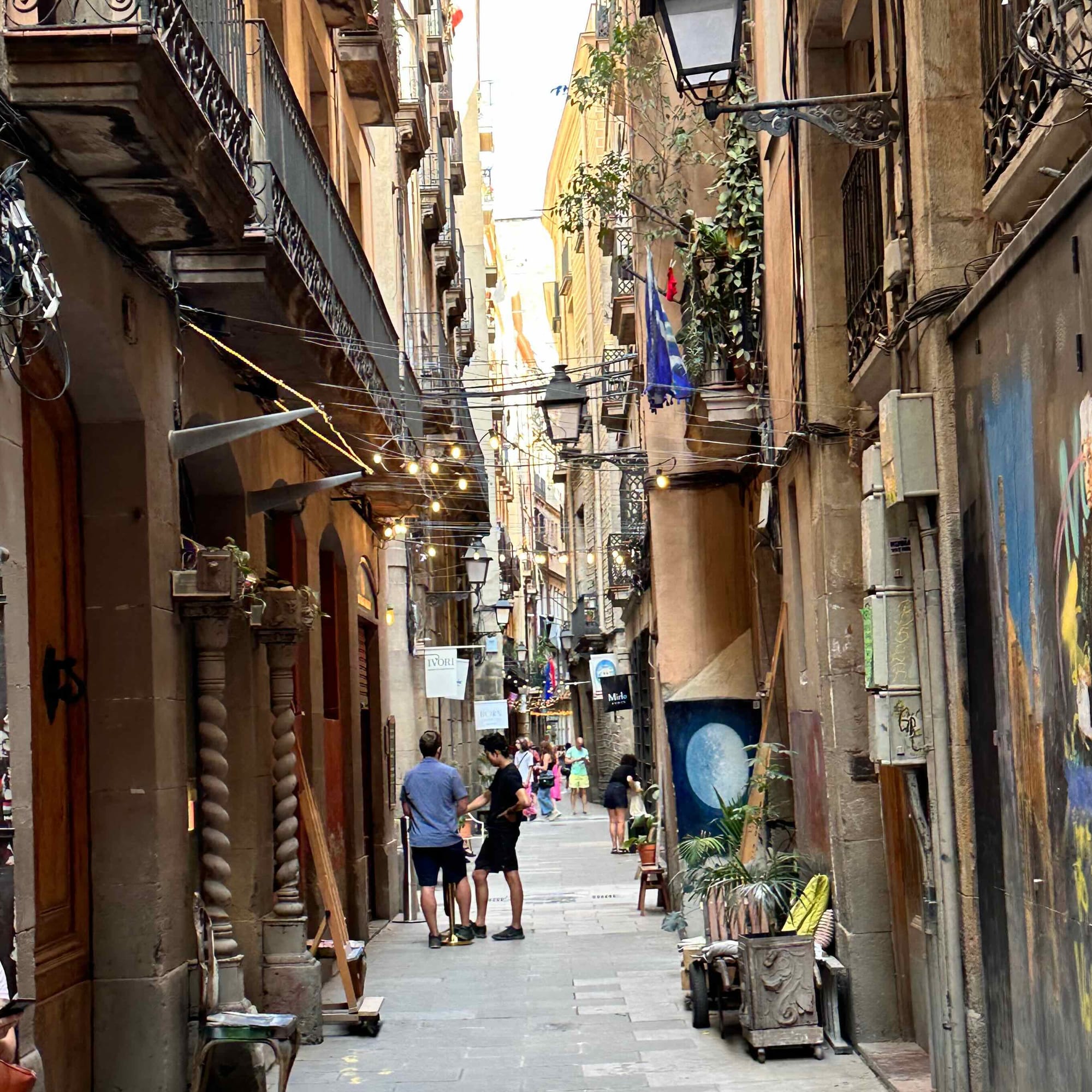
El Raval is the most argued-over barrio in the city. It is genuinely central, diverse and full of life, with the MACBA contemporary art museum, cheap eats and a real creative streak. It is also the area residents most often flag for visible street issues (homelessness, drug activity, feeling on edge), especially the Drassanes and Sant Pau end around Placa Salvador Segui. The honest read from people who live there: violent crime against residents is low and the "you'll get stabbed" talk is scaremongering, but petty theft is real and the experience varies street to street. Some pockets are perfectly pleasant; others are not. Viewing in person is non-negotiable here.
La Barceloneta is the old fishermen's quarter wedged against the beach: tight grid, narrow streets, sea on your doorstep, and a strong local identity that resists the tourism around it. Two practical warnings before you romanticise it. First, the flats are small and many of the buildings are old walk-ups with no lift, so a fourth-floor flat that looks charming in photos means carrying your shopping up four flights in the August heat. Check the floor and the stairs before you commit. Second, near-beach areas like this command some of the highest per-square-metre prices in the city for what you actually get.
Suits: people who want to live inside the history and the buzz, with eyes open about noise, crowds and (in Barceloneta) the stairs.
Gracia: village in the city, with a one-week warning
Gracia is the barrio people fall in love with. Small squares, low buildings, terraces, an independent streak that feels nothing like the grid below it. It is social, walkable and genuinely charming.
Two honest caveats from people who live there. It has become more touristy and more expensive than its reputation suggests, so the "cheap bohemian" idea is years out of date. And for one week every August, the Festa Major de Gracia turns the streets into a non-stop party that residents describe as wonderful to visit and exhausting to sleep through. Love the festival, just know your bedroom window is on the front line.
Suits: sociable types who want character over space and do not mind paying for the postcode.
Poble Sec: under the hill, between the centre and Montjuic
Poble Sec sits in Sants-Montjuic, tucked under the Montjuic hill between the Paral.lel theatres and the parks above. It has quietly become one of the most talked-about barrios for newcomers who want central-and-characterful without El Born prices. Carrer Blai and its pintxo bars anchor a strong, low-key food scene, the metro is good, and Montjuic's green space is a short climb away. The streets are older and some are steep; the lower end near Paral.lel is livelier and louder than the quieter blocks up the slope.
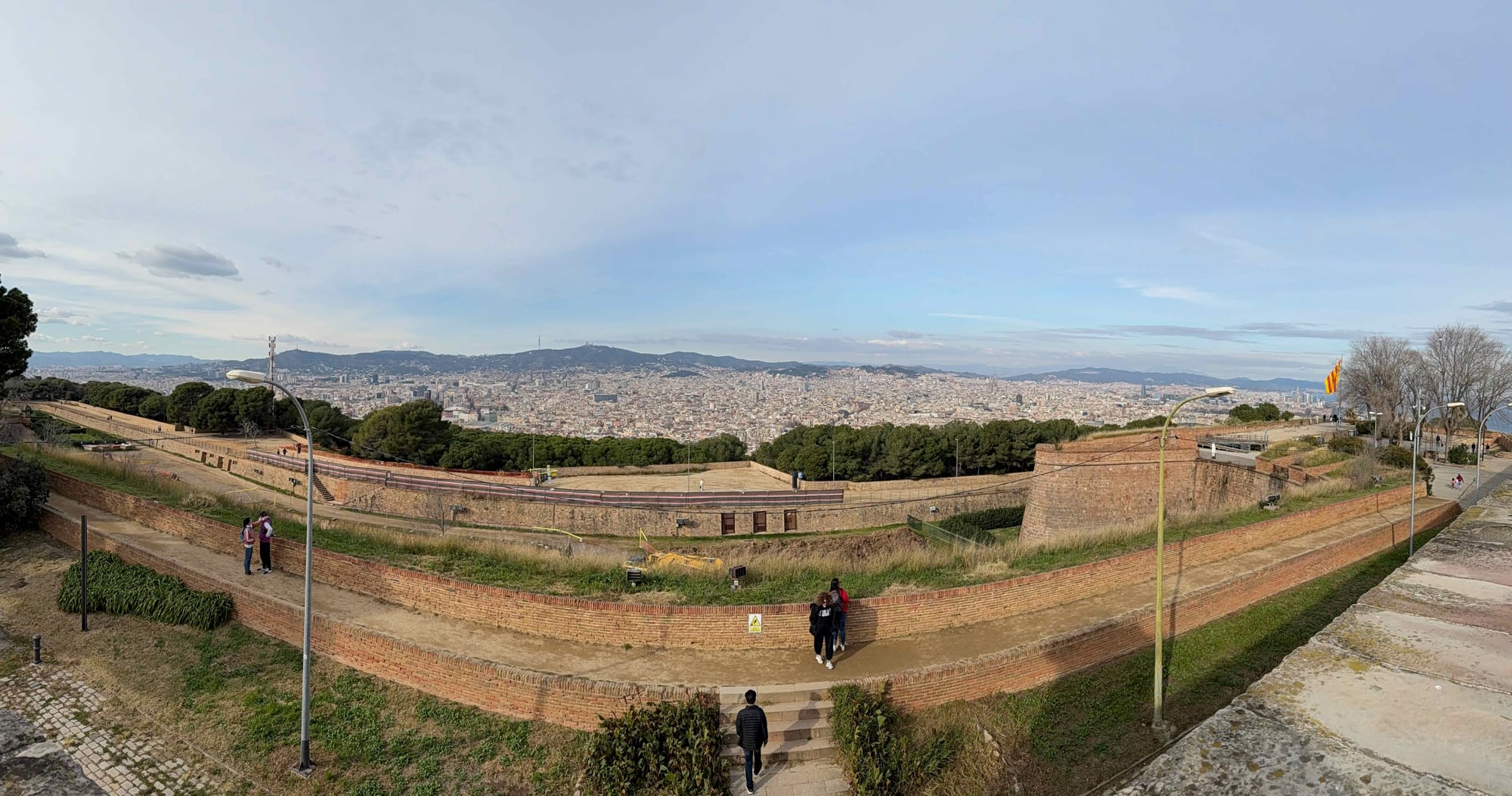
Suits: people who want Born-style character and walkability at a slightly gentler price, with a hill for weekends.
Poblenou and the beach strip: modern flats, calmer pace
Over in Sant Marti, Poblenou, Vila Olimpica and Diagonal Mar are where people go for the sea without the chaos. Newer buildings, wider streets, a steadier family-friendly feel, and the beach genuinely close. The old industrial grid of Poblenou (the "22@" tech district) has filled with studios, cafes and offices while keeping a neighbourhood backbone along the Rambla del Poblenou.
It reads as slightly less "classic Barcelona" and more like a calmer, modern city by the water. For some that is the whole appeal; for others it lacks the density and grit of the centre. Sant Marti as a wider district is large and mixed, so the specific barrio matters: the seafront blocks feel very different from the inland stretches near the Gran Via.
Suits: families, sea-lovers, anyone who wants newer housing and a slower rhythm.
The northern and eastern barrios: local, well-connected, better value
This is where the value-versus-location debate really lives, and where a lot of newcomers end up once they have walked the city.
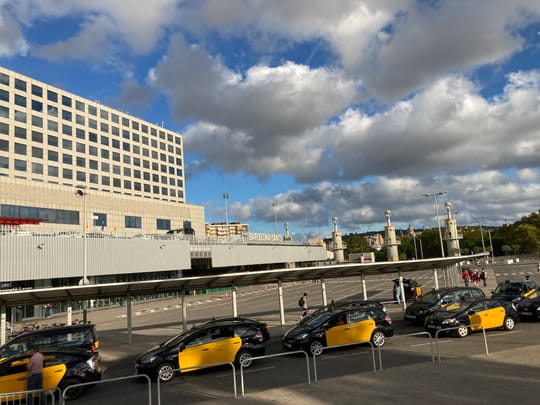
Sants (in Sants-Montjuic) is a working, local barrio built around the main train station, which makes it one of the best-connected places to live for anyone who travels. From Sants you can be on a high-speed train to Madrid in about two and a half hours, or nearer three while the Adif speed restrictions imposed on the line in February 2026 run their course to 13 December, and the metro and Rodalies links are strong. It is less polished than the centre and proud of it.
Sant Andreu, in the north, gets called "the new Sants" for its strong local roots, village-like main streets, and easy access out of the city. Newer and larger flats turn up here at better value than the centre, with small parks and a genuine neighbourhood feel rather than a tourist one.
El Clot (in Sant Marti, near the Glories and Encants area) is an under-the-radar pick: a tight, traditional barrio with its own square and market, good metro and Rodalies links, and prices below the seafront and the centre. It rewards people who want local life over postcard streets.
The counter-argument to all of these, and to the cheaper fringe just outside the city line such as L'Hospitalet (Santa Eulalia, Centre), is location. Inside Barcelona you can walk almost everywhere; the further out you go, the more you lean on transport. That single difference, walk-everywhere versus depend-on-the-metro, is the real choice, not postcode snobbery.
One practical point on staying out late: the metro runs from 05:00 to midnight Monday to Thursday, until 02:00 on Fridays and eves of holidays, and right through the night on Saturdays, per TMB. It also runs all night on Sant Joan (23 June), the eve of La Merce (23 September) and New Year's Eve. If your nights end at 03:00 on a Wednesday, factor in a taxi from wherever you settle.
Suits: budget-conscious movers who want space and local life, and do not need everything on foot.
One rule that applies everywhere: get proper air-conditioning
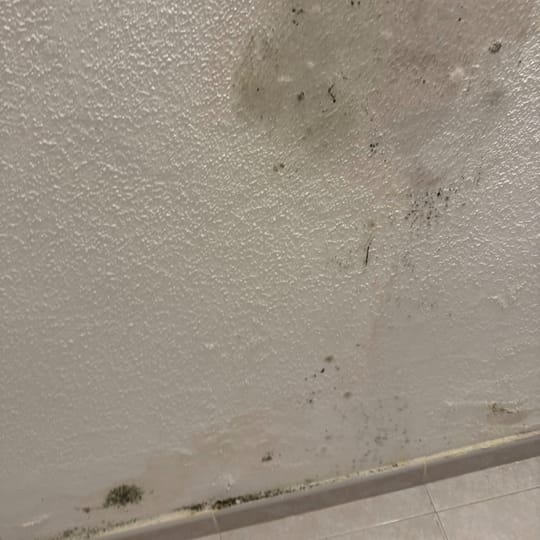
This is the single most repeated lived-experience tip from residents, and it surprises almost every newcomer. Barcelona summers are genuinely hot and humid, and a lot of older flats have no central heating and no installed cooling at all. Poorly insulated, low-rated flats are described as roastable in winter next to a heater yet unbearable in summer. The local joke, with a hard truth inside it, is that you need air-conditioning more than you need heating here.
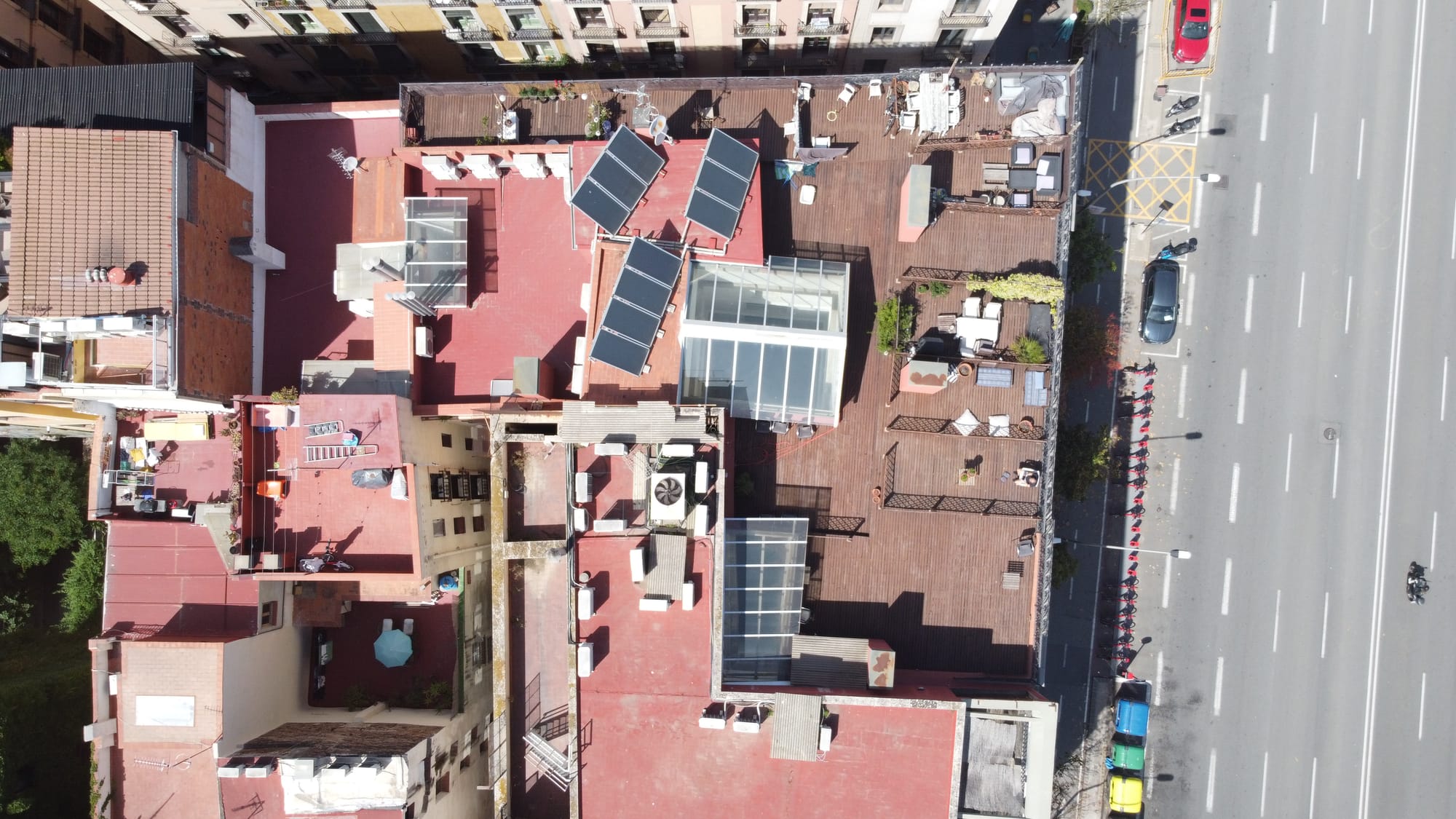
So make installed AC a priority on your checklist, not an afterthought. A flat with a proper fixed reversible unit (it cools in summer and heats in winter) will make August liveable; a single plug-in fan or a portable heater will not. Check the energy rating at the same time, because the two go together: a landlord who has not fitted cooling or double glazing in a G-rated flat probably will not fix much else either.
The rules that actually decide your year
Vibe and barrio get you to a shortlist. These rules decide how the next few years go, and most listings will not explain them.
Your lease protects you more than you think. Sign a standard long-term residential contract and the landlord is bound for up to five years (seven if the landlord is a company), under article 9 of the Ley de Arrendamientos Urbanos, the national rental law. Even a shorter agreed term auto-extends in yearly steps until it hits that floor. You, the tenant, can walk after six months with 30 days' notice under article 11. A penalty only applies if a clause was written into the contract; no clause, no penalty. Watch for "temporada" (seasonal, often written as 11 months) contracts offered for what is plainly your main home, because they sidestep these protections. Our renting guide walks through the contract types in full.
Rent control is live. Barcelona is an official "stressed market zone" (zona de mercat residencial tensionat), so rents are capped. For most flats the new rent cannot beat the previous contract's rent from the last five years; for large holders it is capped at the state reference index. The picture is more mixed than either side of the argument claims. Incasòl deposit data for the first quarter of 2026 puts the average new contract in Barcelona city at €1,137.35 a month: 4.7% below the same quarter of 2024, when the cap came in, but 4.61% up over the year. So the cap has held rents under their pre-cap level without stopping them rising again, and house prices keep rising across the rest of Catalonia.
The landlord pays the agency fee. Since the 2023 housing law, on a habitual-residence rental the landlord pays the estate agent and the cost of drawing up the contract, not you. If an agent tries to charge you for a long-term home, that is not how it works any more. (Temporary and tourist lets are a different regime.)
Two certificates control the flat. Every legal listing must show an energy rating from A to G; it is mandatory and managed by ICAEN, the Catalan energy institute. Experienced renters treat anything below D as a warning sign for cold, damp and an inattentive landlord. Separately, a cedula d'habitabilitat (habitability certificate) is required to rent a place and to switch on the water, electricity and gas. A commercial "local" cannot have one until it is legally converted to housing. No cedula, no utilities.
Empadronamiento is your key to the system. Registering your address at the padro, done at any OAC citizen office, online or by phone on 010, unlocks public healthcare and school places. You document your identity and your right to the housing, for example a rental contract or the owner's written authorisation. Despite the folklore, the binding INE rules say the padro must reflect where you actually live and is independent of the home's legal quirks, so a missing cedula is not, in law, a barrier to registering.
A practical way to choose
Do not commit from abroad. The strongest advice locals give is to book a hotel or short stay for about two weeks, walk the barrios at different hours, and only then decide. A street feels different on a wet Tuesday morning than in a sunlit listing photo.
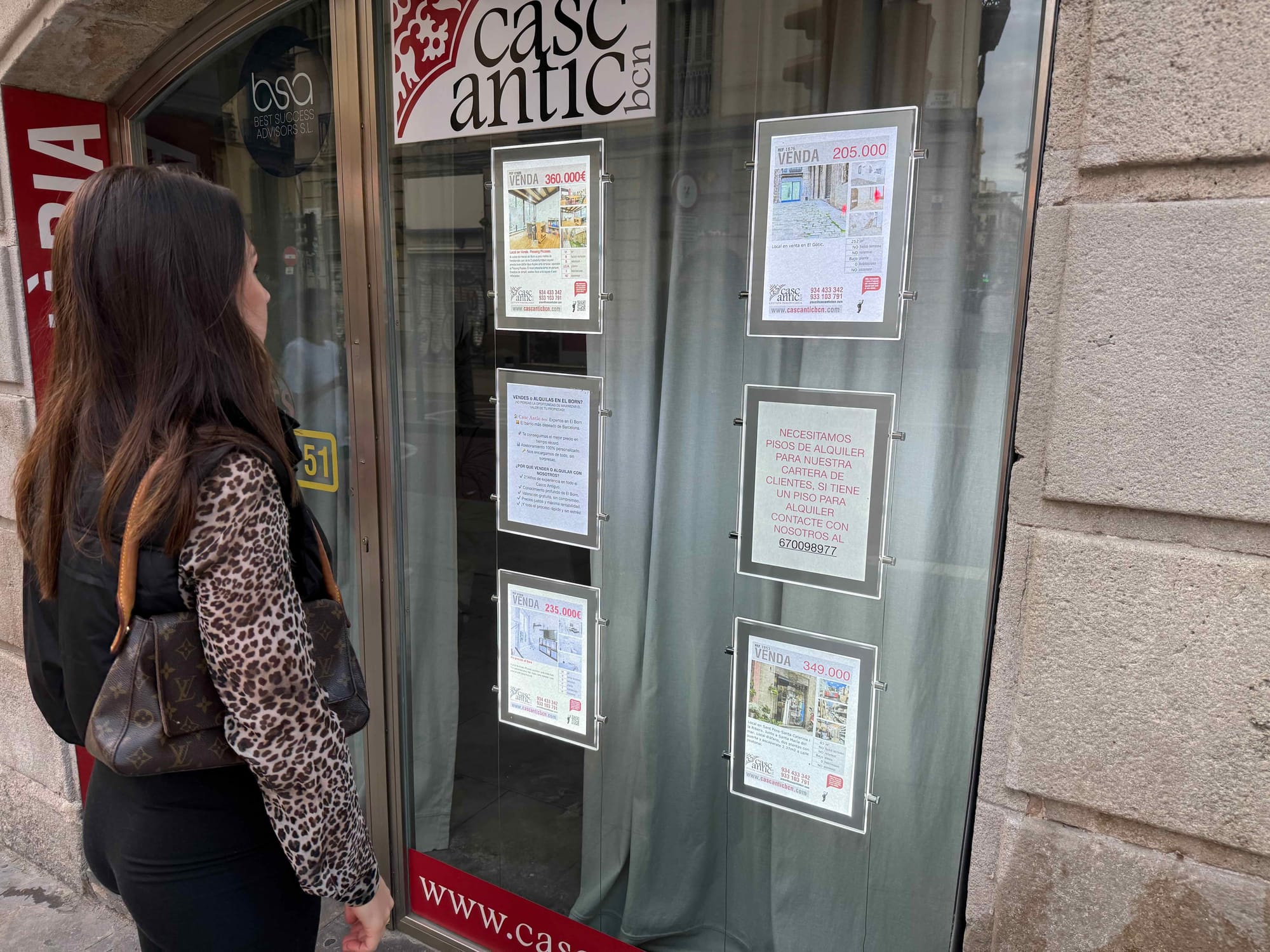
When you have a shortlist, pull the live rent figures for those specific districts from Incasol, the public deposit registry, and the city's statistics office, rather than trusting any number you read in a forum. Then match the barrio to your actual week: where you work, when you sleep, how late you stay out, whether the sea or the quiet matters more, and whether that flat will be liveable in August. For everything that comes after the keys, from the padro to your first utility bills, our settling-in hub is the place to start. The contract law is on your side once you are in. Getting in is the hard part, so arrive with your paperwork ready and your phone working.
Sources
- Ley 29/1994 de Arrendamientos Urbanos (LAU), arts. 9, 10, 11, via the BOE: https://www.boe.es/buscar/act.php?id=BOE-A-1994-26003
- Ley 12/2023 por el derecho a la vivienda (agency fees), art. 20, via the BOE: https://www.boe.es/buscar/act.php?id=BOE-A-2023-12203
- Generalitat de Catalunya, Agencia de l'Habitatge, rent limitation in stressed zones: https://habitatge.gencat.cat/ca/ambits/preus-ingressos-i-zones/limit-preu-lloguer/
- Generalitat de Catalunya, Govern press note on rent containment: https://govern.cat/salapremsa/notes-premsa/644662/preu-del-lloguer-zones-mercat-residencial-tensionat-catalunya-conte
- ICAEN, energy performance certificate guide: https://icaen.gencat.cat/ca/detalls/article/Certificat-eficiencia-energetica-edificis_guia-breu
- Generalitat de Catalunya, cedula d'habitabilitat: https://habitatge.gencat.cat/ca/ambits/cedules-habitabilitat/index.html
- Ajuntament de Barcelona, alta al padro municipal: https://ajuntament.barcelona.cat/novaciutadania/ca/empadronament
- INE / BOE, Resolucion de 17 de febrero de 2020 (padron technical instructions): https://www.boe.es/buscar/act.php?id=BOE-A-2020-4784
- TMB, metro operating hours: https://www.tmb.cat/en/barcelona-transport/operating-hours-metro-bus
- Incasol (Institut Catala del Sol), rental deposit registry: https://incasol.gencat.cat/
Choosing a barrio and a flat is far easier when you can ask people who already live in the one you are eyeing. That is exactly what the Barcelona English Speakers community is for: 4,000+ residents across 20+ free, moderated WhatsApp groups, including flat-hunting and neighbourhood chat. Drop in, ask which streets to walk, and hear the honest version before you sign anything.
Neighbourhoods show their character best during their festa major. We cover the festa major calendar, including Gràcia in August and Sants a week later. The rest of our practical coverage is in the guides index.
Neighbourhoods change quickly. In El Raval, the second-hand fashion scene has become one of the area's draws, and Korean supermarkets have spread well beyond the centre.