From Barcelona, the high-speed train to Madrid normally takes around two and a half hours, but Adif speed restrictions in force since 5 February 2026 have added about 25 minutes to every service on the corridor, so budget nearer three. Fares swing from under €20 booked well ahead to about €130 close to departure. There are now three main choices on the route, so the cheapest ticket is not always the best fit.
The short version: choose AVE if you need flexibility or are travelling for work. Pick Ouigo if you booked weeks ahead and your plans are fixed. Go for Iryo if you want a more comfortable middle ground without paying AVE prices.
Prices and frequencies were last checked in August 2026 against operator booking sites. High-speed fares in Spain change often, so treat the figures below as ranges, not fixed prices. One timing caveat now applies to every operator: after the January 2026 Adamuz derailment, Adif imposed speed limits on the line that stretched journeys by about 25 minutes and forced Renfe, Iryo and Ouigo to drop their last departures of the day. Those restrictions run until 13 December 2026.
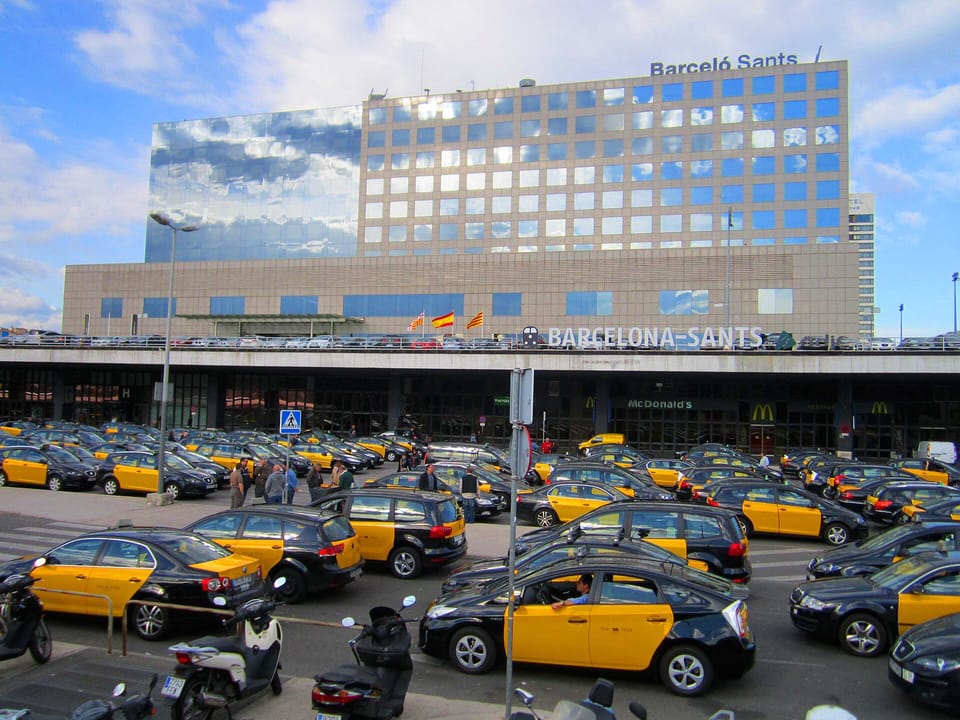
All three services leave from Barcelona Sants and arrive in central Madrid, usually at Atocha or Chamartín depending on the train. The route is shared by Renfe's AVE, SNCF's Ouigo and Iryo, which entered the market in 2022. Renfe pulled its low-cost Avlo brand off this corridor on 8 September 2025, after a cracked bogie frame was found on one of the Talgo Avril trainsets, and moved those departures onto AVE. The CNMC says Madrid to Barcelona is now the busiest liberalised high-speed corridor in Europe, which helps explain why fares stay competitive.
AVE is the most flexible option, with up to 25 daily departures at peak times, business and first-class tickets, onboard meals on premium fares, and the widest change options. Renfe's own luggage rules set the allowance at three pieces totalling 25 kg. It is usually the right pick if you are booking late or need room to change plans.
Avlo, Renfe's low-cost brand, no longer runs between Barcelona and Madrid. The five Talgo Avril trainsets assigned to the route were withdrawn in the summer of 2025 after a fractured bogie frame was found during a routine inspection, and from 8 September 2025 every Avlo departure on the corridor was moved onto AVE. Renfe has said it wants to bring Avlo back to Barcelona eventually, but has set no date. Avlo still runs from Madrid to Valencia, Alicante, Seville, Málaga and other cities, so a search may still surface the brand, just not on this route.
Ouigo is now the budget option on the route, with around five daily departures and fares from about €9 when booked in advance. It is often the cheapest return for people who plan ahead, but change fees, bag rules and extras can push the final price up. Iryo, with around 10 daily trains, sits in the middle, usually costing more than Ouigo but less than AVE, with better comfort and catering than the low-cost brands.
Closer to home, the Rodalies and FGC cheat sheet covers the suburban lines, and which TMB travelcard suits you works out the city fares.