City Council Votes on Differential Tax Rate
On Friday 25 September 2026, Barcelona City Council will vote on a proposal to lower the municipal tourist tax for stays in youth hostels from €5 to €4 per person per night. The move marks the first time the city would apply a differentiated rate based on accommodation type, following years of uniform charges across hotels, tourist apartments, and hostels. The initiative is led by Mayor Jaume Collboni’s administration, with Deputy Mayor Jordi Valls (PSC) arguing that Barcelona must remain accessible to visitors with limited financial means. "Barcelona must be an open city, and people who have economic resources but not enough to pay for a hotel or a tourist apartment, we must ensure they have the opportunity to stay," Valls said during a recent Economy and Finance Commission meeting.
New Category for Youth Hostels
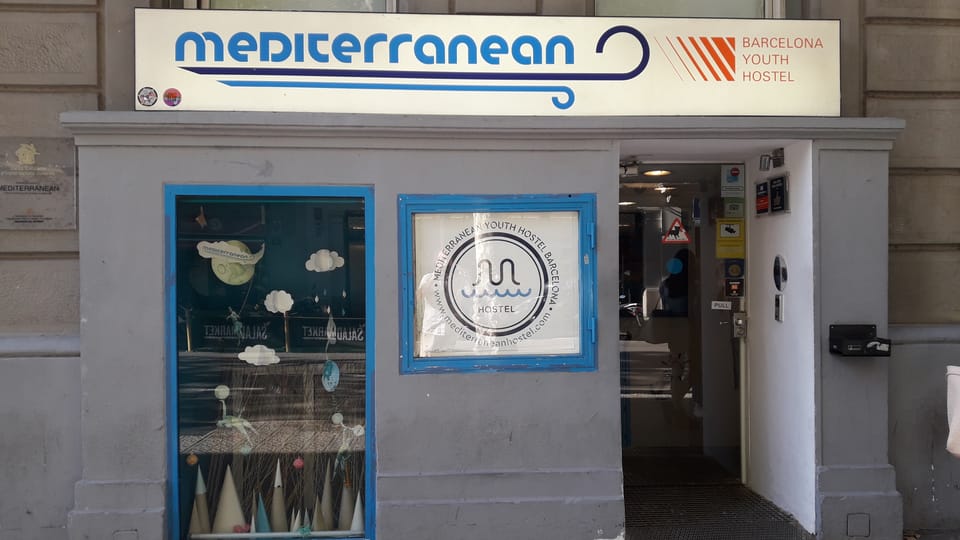
The term 'youth hostel' refers to budget accommodations often branded as 'hostels', typically catering to younger international travellers. These establishments are now being formally recognised as a distinct category under updated regulations stemming from a Generalitat law passed by the Catalan Parliament. Currently, such venues are subject to the same €5 daily municipal surcharge as luxury hotels and short-term rentals. However, the regional government already applies a tiered system: its own tourist tax is €1 per night for youth hostels, compared to €2 for campsites and three-star hotels, and €4.50 for tourist apartments. Barcelona’s proposed change aligns the local supplement more closely with this structure.
Not all accommodation models are the same, nor do they have the same social function, nor do they cater to the same user profile, which is why a specific rate of up to four euros is proposed.
Jordi Valls, Deputy Mayor of Barcelona
Support and Criticism Across Parties
The proposal has gained cross-party support from ERC and Junts, both of whom have previously criticised blanket increases in tourist taxes. ERC councillor Jordi Coronas cited data from the Barcelona Tourism Observatory showing that hostel users are predominantly young and spend less than other tourists, making them more sensitive to price hikes. Junts, despite opposing past tax rises, backs the differentiation, helping secure the majority needed for approval. Meanwhile, BComú expressed reservations, with councillor Marc Serra warning that large international hostel chains could benefit disproportionately from the reduction. He urged the city to also consider increasing taxes on high-end accommodations to maintain equity. The PP and Vox oppose the measure entirely, maintaining their longstanding position that Barcelona should abolish the tourist tax altogether.
Enforcement and Next Steps
To prevent misuse, the city plans inspections to ensure only qualifying youth hostels receive the reduced rate and that other lodging types do not reclassify improperly. If approved, the new rate will take effect in the coming weeks, marking a shift toward a more nuanced approach to tourism taxation in the city.
Residents and operators can follow the outcome of the plenary session via the Barcelona City Council's official livestream.
Reported by naciodigital.cat.