Teachers will strike on 8 September, the first day of the school year, after rejecting a pay agreement in a June ballot. The industrial action follows months of turmoil within the Department of Education, marked by high-level departures and management controversies. Of the 60,000 public education staff who participated, 65.1% voted against the deal, leaving 39,502 opposed compared to 21,184 in favour. Despite the outcome, the government confirmed it will proceed with the agreement, citing support from three unions.
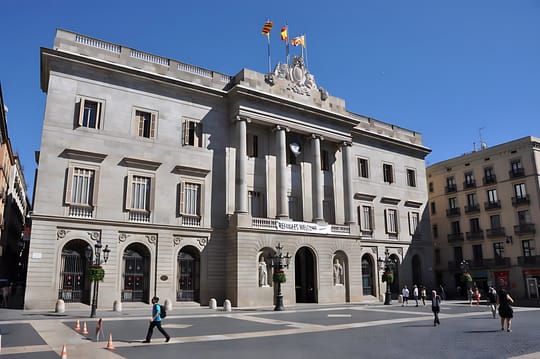
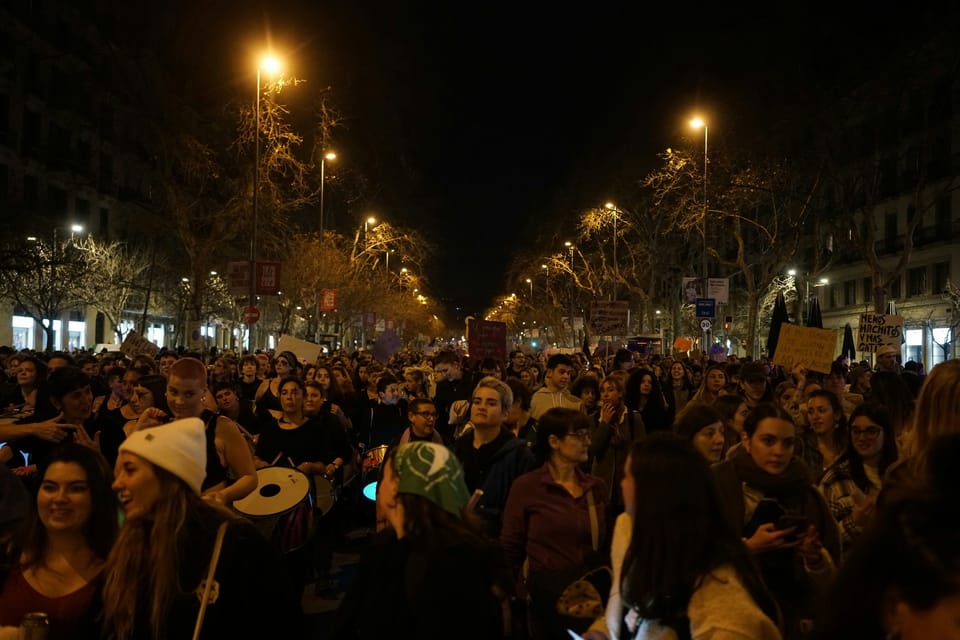
The rejection maintains a strike scheduled for the first day of the new school year, alongside a demonstration in Barcelona set to begin at Arc de Triomf at midday. Three additional columns will depart simultaneously from Sant Adrià de Besòs Renfe station, the Foc metro station (L10 Sud), and Plaça d’Espanya’s Venetian Towers. The strikes will coincide with the Pope’s visit to Catalonia and the university entrance exams (PAU), union spokesperson Iolanda Segura confirmed.
Split Negotiations Planned Amid Mounting Pressure
The Generalitat is preparing to split negotiations with teachers into two separate tracks: one focused on pay and working conditions, the other on broader education reform. The move, reported by El Confidencial and confirmed by department sources, aims to pre-empt renewed conflict before schools reopen in September.
The wage proposal, described in an official document as a salary improvement agreement for 2026 to 2029, was estimated by media to be worth 450 euros per month over four years. However, USTEC union challenged the figure, stating in a public statement: "No són 400 euros, són 120 en 4 anys", meaning the real increase is just 120 euros over four years.
"We want to send a very clear message: we have listened to the voice of the collective." , Iolanda Segura, USTEC spokesperson
Management Instability and Systemic Strain
The department has faced repeated instability, with Minister Niubó overseeing multiple high-level dismissals since taking office. These include Secretary-General Teresa Sambola and Enric Trens, removed after a chaotic reassignment of 57,000 teachers last summer. Political scientist Marc Guinjoan noted that Education has now overtaken the Interior Department as the most crisis-prone in the Generalitat.
Experts point to systemic issues. Former education inspector Xavier Chavarria criticised the blurring of technical and political roles, citing the failed rollout of the "sixth hour" initiative. "It's a technical issue that has changed due to political strategy," he said. Social educator Sandra Monfort added that teachers are overwhelmed by societal demands placed on schools, from mental health to climate education, without adequate support.
"A teacher is not a psychologist, nor a pedagogue, nor a sex educator, nor a climatologist; they are a teacher," Monfort said. "If you want the school to deal with many more issues, you must provide it with resources."
Reported by en.ara.cat, barna.news, elmon.cat.