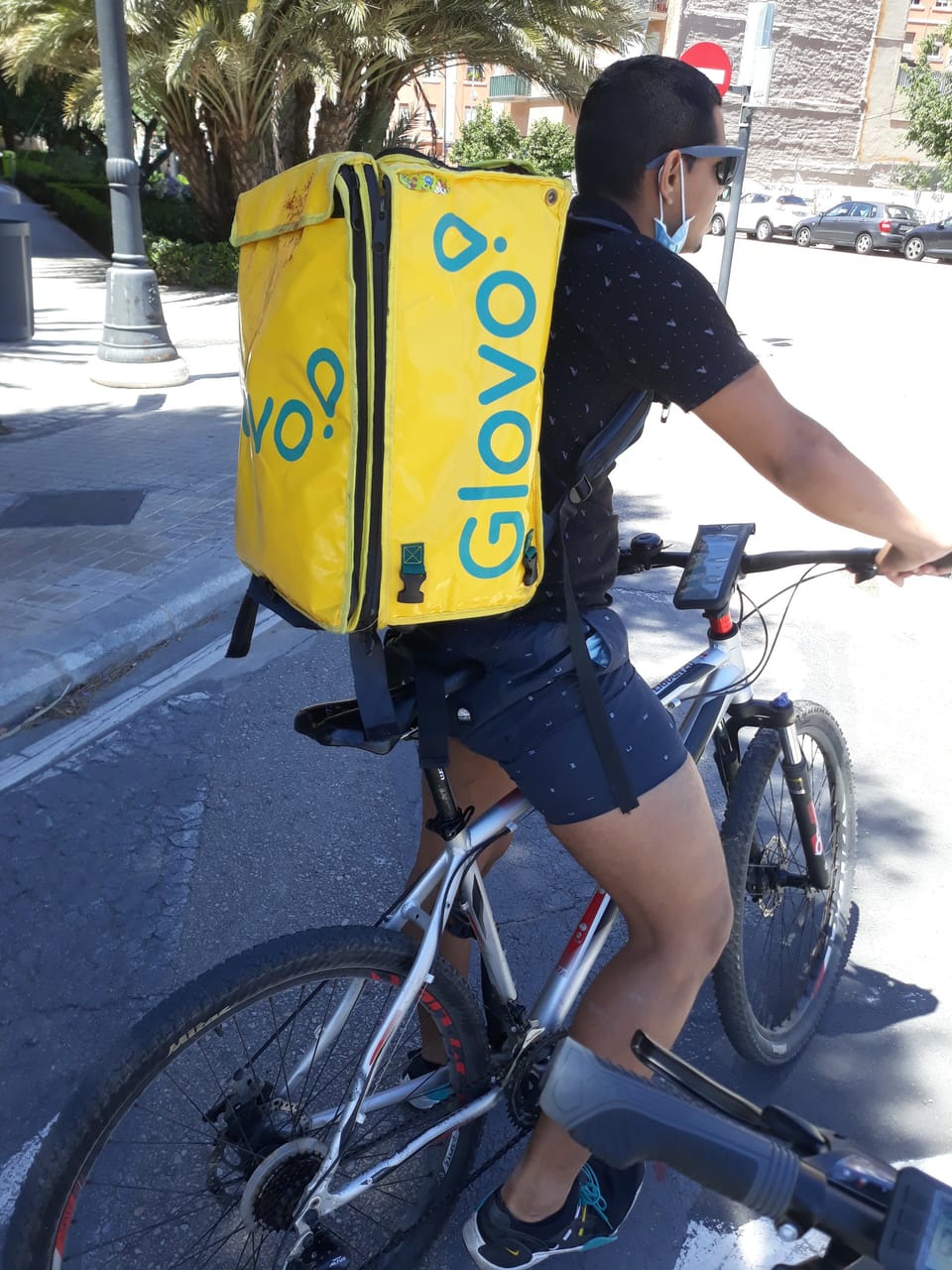
Founder to Stand Trial
A judge in Barcelona has formally indicted Oskar Kreuzer, co-founder of food delivery platform Glovo, over allegations that the company systematically misclassified delivery riders as self-employed workers instead of employees.
The indictment, confirmed on Tuesday 22 September 2026, stems from a long-running legal challenge brought by labour rights groups and rider unions who argue that Glovo riders were subject to direct managerial control while being denied standard employment rights such as sick pay, holiday entitlement and social security contributions.
False Self-Employment Allegations
The case centres on the practice known in Spain as falsos autónomos, workers treated as independent contractors despite functioning as de facto employees. Prosecutors allege that Kreuzer, as a key decision-maker in the company’s early operational model, approved and maintained this structure to reduce labour costs and avoid employer obligations.
If convicted, Kreuzer could face fines and potential disqualification from holding corporate office under Spain’s Corporate Criminal Liability Act. The trial date has not yet been set.
"This is a landmark case for the gig economy in Spain. It directly challenges whether platform companies can continue to rely on self-employment models when they exert significant control over how work is performed." , Labour rights lawyer, speaking to elDiario.es
Glovo's Position
Glovo, founded in Barcelona in 2015, has previously stated that its riders are independent partners who choose their own working hours. The company says it has since introduced voluntary accident insurance and other support measures.
In 2023, Spain’s Riders’ Rights Law (Ley Rider) came into force, requiring platforms to reclassify delivery workers as employees unless they can prove genuine autonomy. Glovo and other platforms have since adjusted their models in Spain, but the law allows for retroactive claims dating back to before its implementation.
Reported by eldiario.es.