19 new fever cases confirmed, mostly in old remains
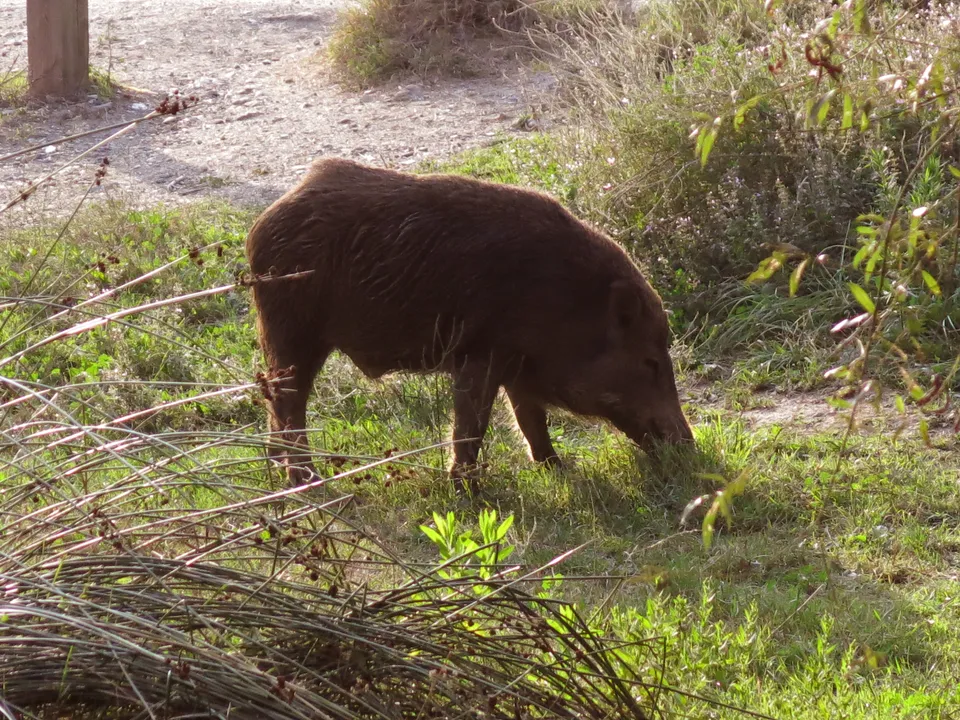
During the week ending Thursday 19th November 2026, 268 wild boars were captured in the African swine fever (ASF) restricted zones across Catalonia, bringing the total number captured since the outbreak began to 15,063. The figure was confirmed in a weekly update published by the Generalitat at 7:41pm on Thursday. The Department of Agriculture confirmed 19 new positive cases of ASF in wild boars within the high-risk area. Eight were in Molins de Rei, three in Sant Quirze del Vallès, three in El Papiol, two in Cerdanyola del Vallès, two in Sant Cugat del Vallès and one in an enclave of Barcelona with access to Collserola Natural Park. However, authorities stressed that none of these cases involved recently deceased animals. Most were remains estimated to be over five months old, discovered through intensified searches by canine units.
Expanded traps and patrols across 19 municipalities
To intensify containment, 34 individual traps and 93 collective traps (pig brigs) have been installed in the high-risk zone. A total of 354 enclosures have also been erected to restrict wild boar movement. The eradication effort involves 980 personnel, including Rural Agents, Mossos d'Esquadra (regional police), Tragsa wildlife control teams, the Forest Fire Prevention Unit (GEPIF), private canine units and civil protection volunteers. In the low-risk zone, the Department of Agriculture coordinates 30 weekly hunting drives involving 575 hunters and 681 dogs. These operations aim to control boar populations and prevent the spread of ASF beyond the current perimeter. To date, 15,731 samples have been analysed, with 448 testing positive for ASF, a rate of 7.7%. The high-risk area includes 19 municipalities: Badia del Vallès, Barberà del Vallès, Cerdanyola del Vallès, El Papiol, Molins de Rei, Sant Feliu de Llobregat, Montcada i Reixac, Polinyà, Ripollet, Rubí, Sabadell, Sant Cugat del Vallès, Sant Quirze del Vallès, Santa Perpètua de Mogoda, Terrassa, Sant Just Desvern, Esplugues de Llobregat, Castellbisbal, and the Barcelona enclave linked to Collserola.
The increase in detected positives reflects improved detection capacity, particularly in areas not intensively surveyed before. These are mostly old remains that had not been found until now.
Public urged to follow restrictions to limit spread
Residents in affected areas are reminded that access to natural spaces remains restricted. The Generalitat urges the public not to feed wild boars, to secure waste in sealed containers, and to report any dead or sick animals to emergency services by calling 112. Authorities say public cooperation is essential to prevent further spread of the disease, which poses no risk to humans but threatens domestic pig farming and wildlife.
Sources: Diari Catalunya, Generalitat de Catalunya.