So you took the offer from the company in Berlin, or San Francisco, or Manchester, and they told you to "just invoice them". Welcome. You are about to register as autónomo, and almost nobody who has done it will tell you what it actually costs in the first year. Here is what people in Barcelona's English-speaking community keep asking, and the consensus answer, with the 2026 numbers attached.
Do I have to register as autónomo?
If your employer has no Spanish entity and you are tax-resident in Spain, yes. That is the normal path. The alternatives are to ask them to set up Spanish payroll, or to use an Employer of Record (EOR), but most small overseas firms will not do either. Invoicing them as autónomo is the default and it is fine.
The thing to be careful of is being a falso autónomo: technically self-employed but in practice working fixed hours, with one client, on assigned tasks, like a regular employee in everything but contract type. It comes up constantly in the community chat, and the consensus is that the company carries the legal risk here, not you. Spanish labour inspectors do not love the arrangement and have moved against firms that abuse it. If your single client is in Spain or another EU country, get the agreement in writing as deliverables and milestones, not assigned hours and a manager who tells you when to log off. If your client is in the US or UK and there is no Spanish hiring obligation, the practical risk is much lower.
What it actually costs each month
Three things come out of your pocket every month: the social-security cuota, IRPF (income tax) withholdings or instalments, and the gestor's monthly fee.
The social-security cuota in 2026 runs on an income-banded scale across 15 brackets, frozen at 2025 levels. At the bottom (net income up to around €670 a month) it is roughly €200 a month. A typical mid-band freelancer netting €1,700 to €3,000 a month lands in the €350 to €440 range. The top band tops out around €590 on the minimum base. You can change band up to six times a year to track your real income. (bracket table; Tesorería General de la Seguridad Social.) That is once the cheap first year ends; for the first twelve months you are on the tarifa plana at €80 a month flat (more below).
IRPF is the income-tax side. Invoice a Spanish business client and they hold back a retención for you: 15 per cent normally, but only 7 per cent in your first three years as a new autónomo. If your client is overseas there is no retención, so you pay it yourself via quarterly modelo 130 instalments. Either way the annual renta declaration (modelo 100, April to June) reconciles the difference. (retención rates.)
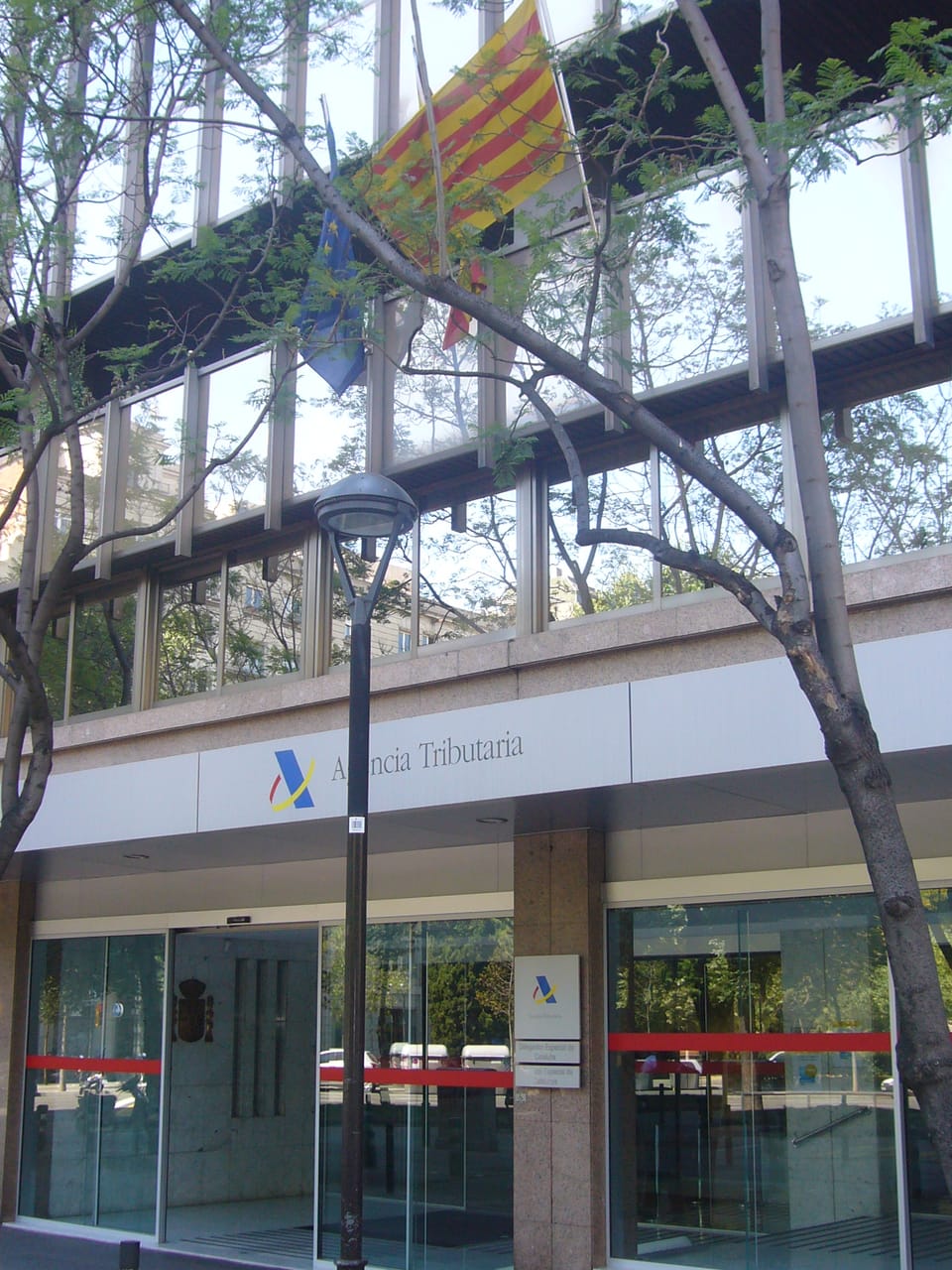
IVA (VAT) is 21 per cent, added to invoices for Spanish clients without a VAT number and handed to Hacienda each quarter via modelo 303. EU business clients with a valid VAT number are zero-rated (reverse charge); a US or UK employer is usually outside Spanish IVA entirely. Deadlines for both the 130 and 303 are the 1st to 20th of April, July and October, and through end of January for the final quarter. File on time even when the result is zero: late filing triggers automatic surcharges. (modelo 303 deadlines, Agencia Tributaria.)
Gestor fees run €40 to €90 a month depending on the package. Budget toward the higher end in your first year. You will also pay annual modelos at year-end, and possibly the modelo 720 if you hold foreign assets above the reporting threshold. See the related shortlist guide for the firms most expats use.
The tarifa plana: apply on day one
The tarifa plana is a reduced flat cuota of €80 a month for your first twelve months as an autónomo. It carries into a discounted second year too, but only if your net income for that year stays below the minimum wage (SMI); otherwise the second year reverts to the normal banded cuota.
To qualify you must not have been registered as autónomo in Spain in the previous two years (three if you used the bonus before), and be clear of debts with the Seguridad Social and Hacienda. Apply the same day you register, by ticking the box on the social-security alta (form TA.0521 via the Import@ss portal). Some gestores forget. Check the confirmation and chase if it is missing: this is one of the most common first-month errors, and fixing it later is fiddly. (tarifa plana conditions, Infoautónomos.)
Picking a gestor
Get a gestor. The near-unanimous advice in the community is that the quarterly filings and the dense Hacienda letters all go more smoothly when someone who does it for a living handles them, and at €40 to €90 a month it is money well spent. The names that come up most often are Garmande, Gremicat and Legalcity. None is a unanimous winner. The same level of service has been quoted at €40 and €100 a month, and the difference is often whether queries are unlimited or capped at three a month before upsells start. Get two quotes before you sign anything; the full shortlist breakdown is in the dedicated guide on this site.
The bank account detail that catches almost everyone
Your cuota is not a payment you make. Rather, it is taken by direct debit from an account you have designated, and that account must meet two requirements, as set out by the Tesorería General de la Seguridad Social.
First, the bank must be a recognised collecting institution. All mainstream Spanish banks qualify, as do most digital banks, such as N26, which has been on the approved register since September 2023. Revolut is the one to steer clear of, as it does not appear on that list.
The second requirement is what tends to trip people up: your account number must start with ES. If you opened an account in your home country before relocating, you likely have a foreign IBAN. That looks entirely normal in your banking app, but it is refused as soon as your gestor tries to attach it. This, more than the bank's name, explains nearly every case of a cuota payment that goes wrong.
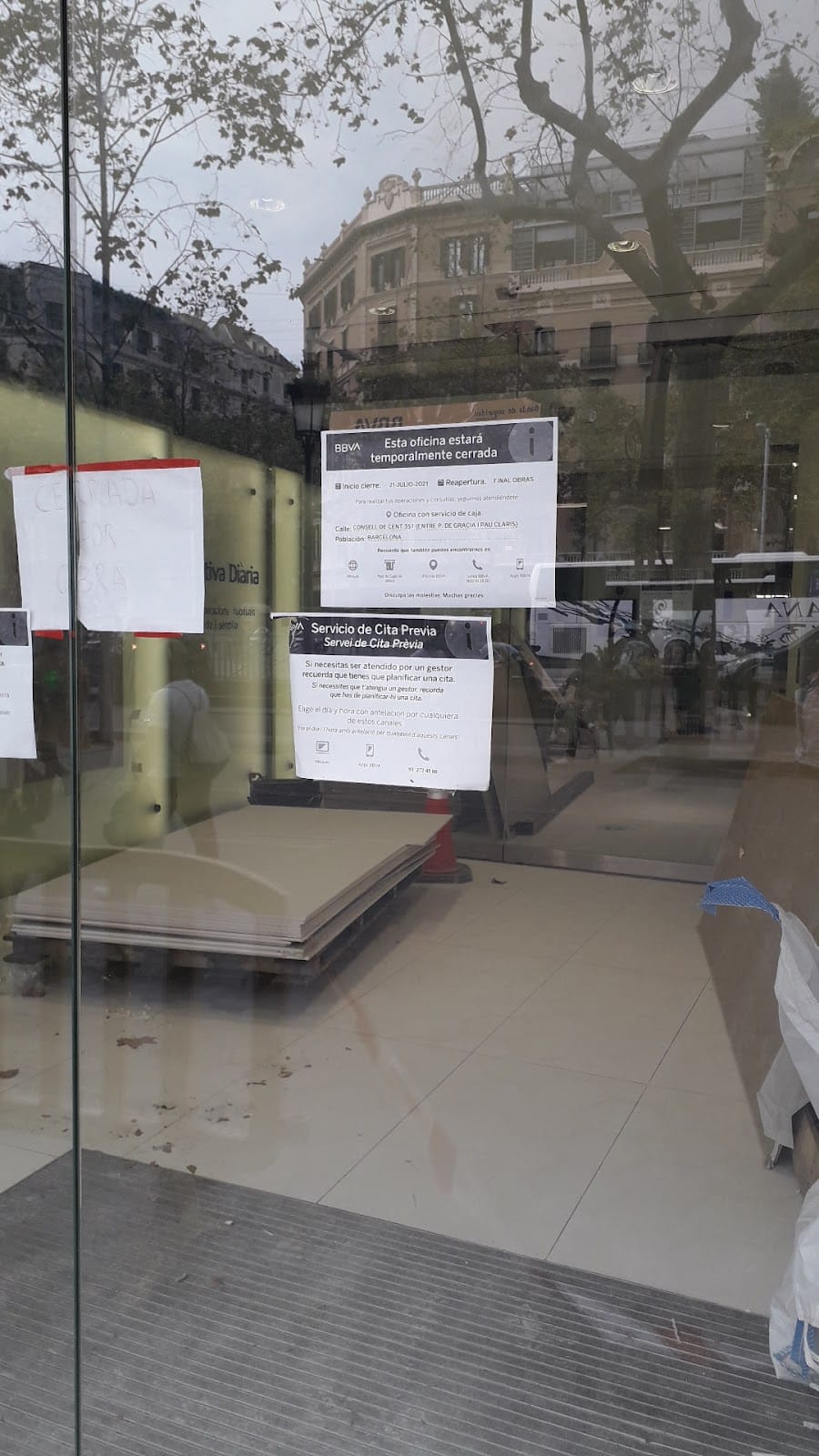
The easiest approach remains opening a BBVA account before your social-security meeting. It takes about 20 minutes to set up online, cards arrive within 48 hours, and the app is available in English. Use that account for invoicing and tax, and keep a separate one for day-to-day spending. A full rundown of which banks are suitable, verified with a working Barcelona gestor, appears in the autónomo bank account guide.
The actual registration: what happens
Five steps, in roughly this order.
Get your NIE. If you do not have one yet, this comes first. EU citizens get a green certificate; non-EU need a TIE card. Without a NIE, none of the rest works. Spainguru’s NIE, TIE and padrón guide walks through that step in detail.
Open the BBVA account. Online, before anything else. You need an empadronamiento certificate too; the bank requires proof of address.
Register with Hacienda (modelo 036, the census declaration). Hacienda scrapped the shorter modelo 037 on 3 February 2025, so 036 is now the only form. Your gestor files this. It declares your activity codes (the IAE epígrafe) and the start date of your professional activity.
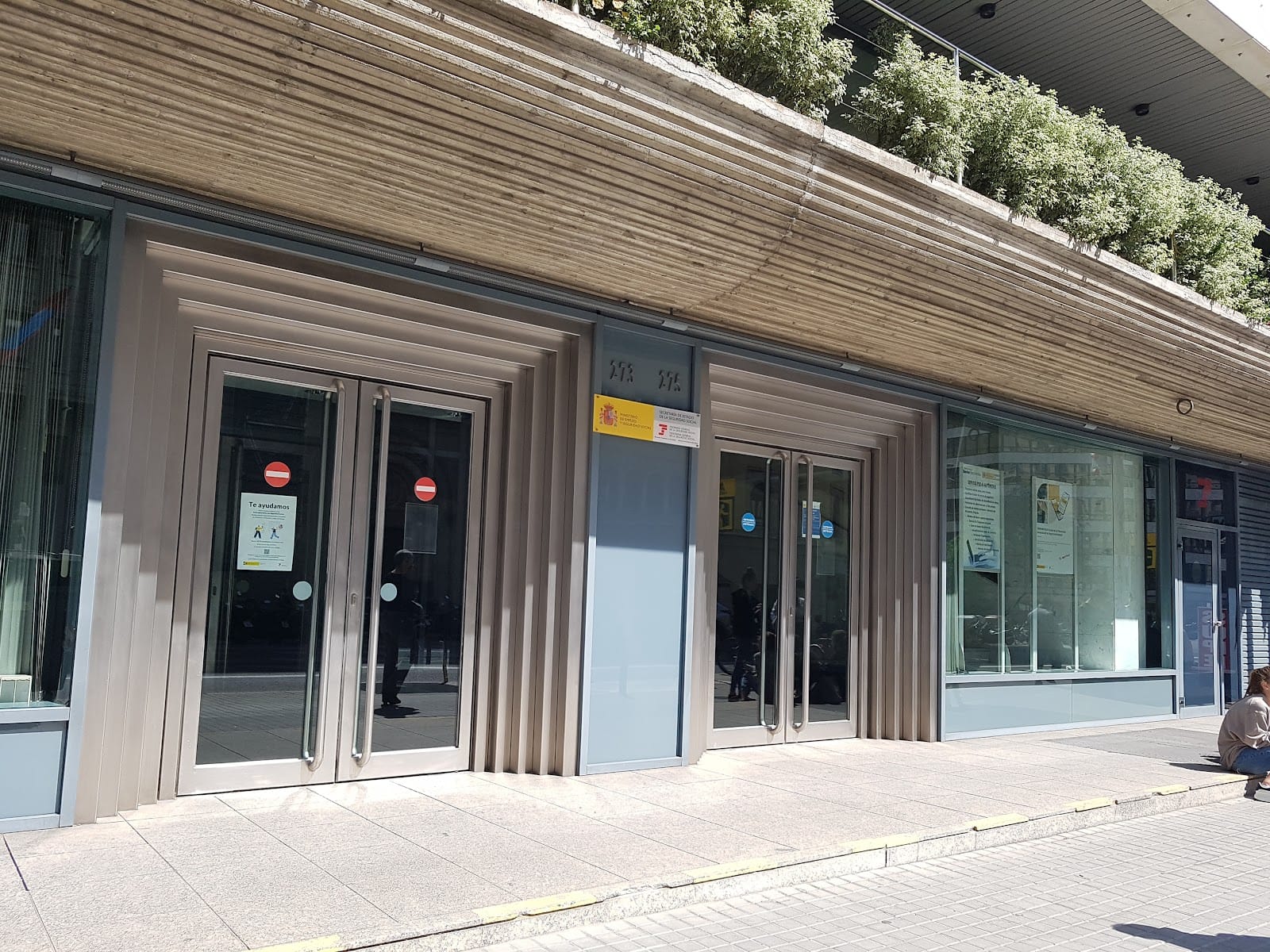
Register with Tesorería General de la Seguridad Social (the RETA, the self-employed regime). Same day or next day, in person at the office or via the gestor with a digital certificate. This is where the bank account gets attached as the direct-debit source, and where the tarifa plana box gets ticked.
Get your digital certificate (FNMT) and a Cl@ve PIN. You will use one of these for everything afterwards: tax returns, social security, Hacienda letters. The gestor can tee it up but you attend in person for the FNMT identity check. The whole process takes a week if everything lines up, two if the NIE office is slow.
Leaving: the bit gestores forget to mention
When you stop being autónomo, you have to deregister explicitly with both Hacienda (baja in modelo 036) and the Seguridad Social.
If you forget, the cuota keeps draining your account. People who move country and assume "the bank will block it" find out two years later that it did not, the Seguridad Social kept charging, and they owe a backlog they could have avoided. Set a reminder. Tell your gestor when you stop; do not just go quiet.
What most people miss
You are not actually starting a business. You are setting up the plumbing to invoice your overseas employer legally.
Treat it as that. Pick a gestor who answers WhatsApp, open the right bank account first, apply for the tarifa plana on day one, and remember to deregister cleanly if you ever stop.
The official rules live at the Agencia Tributaria and the Seguridad Social. Bookmark them. Treat this guide as orientation, not formal tax advice: the bands and rules shift most years, so your gestor is the one to confirm your exact numbers.
Get this in your inbox
Sorting out your autónomo registration, gestor and quarterly filings is a lot easier when you can ask people who have already been through it. That is what Bizcelona is for: an invite-only network of founders, freelancers and senior professionals living and working in Barcelona. If you are setting up to invoice clients from here, join the Bizcelona community and compare notes with others doing the same.
If you are trading in person, opening hours matter: three in ten Barcelona shops now open on Sundays.
Correction, 18 August 2026: a previous edition of this guide claimed that N26 could not handle the monthly cuota through direct debit. That claim came from guidance issued before N26 was approved as a collecting bank in September 2023, and it was inaccurate. The relevant section has been revised following confirmation from a Barcelona-based gestor. The actual issue is having a non-Spanish IBAN, rather than which bank you pick.