The Generalitat has published a railway service roadmap for 2030 to 2040 that includes semidirect Rodalies trains, high-speed regional services and metro-like frequencies on some commuter corridors, including the R1 Maresme line. For daily passengers in Barcelona and its surrounding counties, the main practical point is that the document sets out long-term targets rather than major service improvements in 2026 or 2027.
The plan appears on the Catalan government's Plan de Servicios Ferroviarios 2030-2040 page and in its broader Estrategia Ferroviaria de Catalunya. That matters for commuters, students and workers who use Rodalies every day, because it sets the service model the Generalitat wants once infrastructure works and fleet changes are in place, while current timetables remain those published by Rodalies de Catalunya.
What the Generalitat says it wants to run
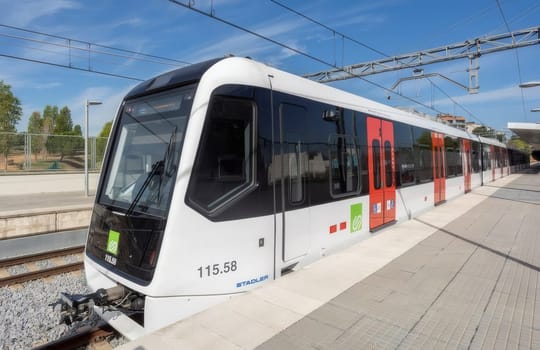
The roadmap describes a future network with more differentiated services. That includes trains that skip some stations to shorten journey times on busy commuter corridors, and faster regional links using high-speed infrastructure where available.
- Semidirect Rodalies services on parts of the commuter network.
- Regional high-speed services for intercity journeys within Catalonia.
- Higher frequencies on corridors with the strongest demand.
- A target of metro-like service levels on lines including the R1 along the Maresme coast.
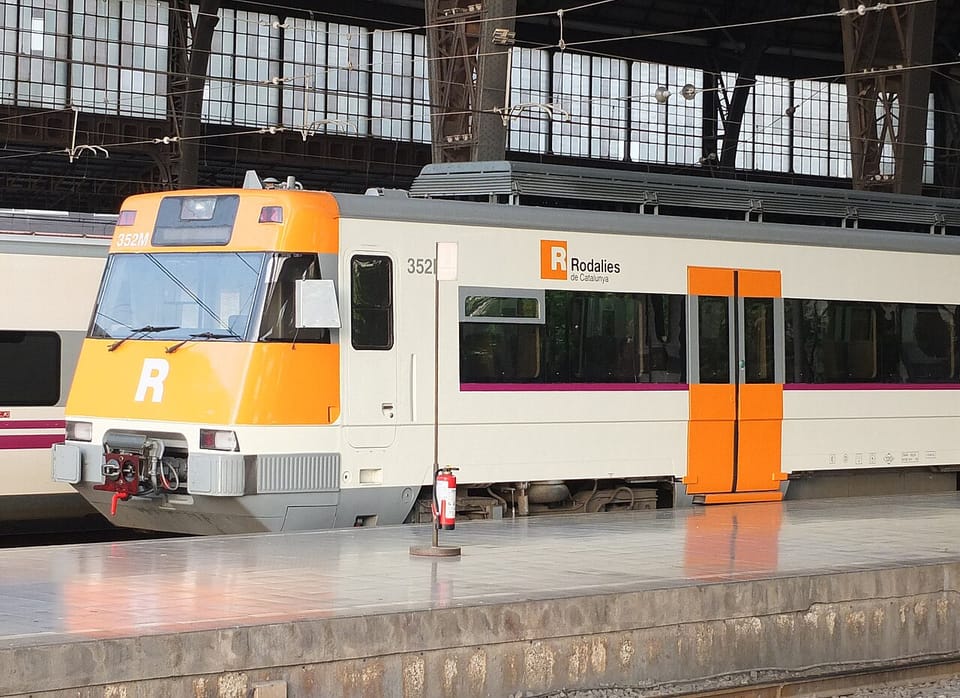
The R1 is the Rodalies line that links Barcelona with coastal municipalities such as Badalona, Mataro, Calella and Blanes, according to the official line map from Rodalies. The reference to metro-style frequency is significant for residents in the Maresme, where crowding and waiting times are recurring complaints on peak services.
The Generalitat's published route map for 2030-2040 proposes semidirect commuter trains and service frequencies comparable to metro operations on some corridors, including the Maresme axis.
The same long-term planning framework also fits with earlier Catalan transport documents that have argued for stronger rail capacity and more intensive suburban service patterns, including on the R1 and R4 corridors.
Little change promised in the short term
For passengers dealing with delays and disruption now, the plan does not set out major service gains for this year or next year. The immediate picture remains shaped by ongoing works, rolling stock limits and the wider Rodalies upgrade programme led by the Spanish Ministry of Transport and other railway bodies.
The ministry said in March 2025 that it had invested a record 607 million euros in Rodalies improvements in 2024 and that 201.1 million euros would be transferred through 2026 to reinforce funding. Separately, the Generalitat and Renfe have also announced a 39-measure urgent plan focused on safety perception, station conditions and passenger information rather than a wholesale timetable expansion.
That distinction is important for readers trying to plan daily travel. The 2040 service concept points to what the network could look like after infrastructure and operational changes are completed, but it does not mean those frequencies or semidirect patterns are about to appear in the next timetable update.
What passengers can do now
Passengers who need current journey times should continue to check the official Rodalies timetable and service alerts rather than rely on the long-range strategy document. Regular users of the R1, R4 and regional routes can also monitor notices from Rodalies and the Department of Territory for any temporary changes linked to works or phased improvements.
BARNA explains how we handle official material and verification in our Editorial Policy and Source Transparency pages. For this story, the key published record is the Generalitat's own railway strategy and service plan, alongside official Rodalies and Spanish transport ministry documents.
As of the Generalitat's published 2030-2040 roadmap, the clearest confirmed change is strategic: Catalonia is formally planning semidirect Rodalies and faster regional services for the next phase of the network, while present-day service remains governed by existing Rodalies schedules and works programmes.
Primary sources: Govern de Catalunya, Departament de Territori i Sostenibilitat (Gencat), Ministerio de Transportes, Movilidad y Agenda Urbana (España), Boletín Oficial del Estado (BOE), Generalitat de Catalunya (Rodalies de Catalunya), Ministerio de Transportes y Movilidad Sostenible (España), Gencat - Rodalies de Catalunya, Gencat - Departament de Territori, Ajuntament de Barcelona, Gencat - Departament de Territori i Sostenibilitat. Reported by La Vanguardia Barcelona.