Historic restaurants in El Raval are closing one by one, with business owners and the sector guild pointing to three linked pressures: higher rents, visible deterioration in parts of the neighbourhood, and a shift in how customers eat. For residents, workers and regular visitors, that means fewer long-established local dining options and more turnover towards chain and fast-food premises.
The warning comes amid broader complaints about cleanliness and upkeep in central parts of Raval. In recent months, the Barcelona Ombuds Office, the Sindicatura de Greuges de Barcelona, urged Ciutat Vella district to reinforce cleaning and maintenance at the Jardins de Rubió i Lluch after finding what it called "significant deficiencies" and an "evident" state of neglect, dirt and degradation in the grounds of the former Hospital de la Santa Creu.
Neighbourhood conditions are part of the business complaint
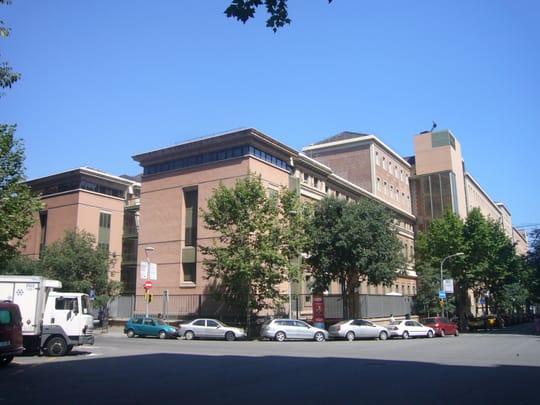
According to the ombuds office findings reported by several Barcelona outlets, the gardens inside the former hospital complex, accessed from Carrer de l'Hospital and Carrer del Carme, require stronger cleaning, disinfection and routine maintenance. The site includes the Biblioteca de Catalunya and the Institut d'Estudis Catalans, and is listed as a cultural asset of national interest.
The ombuds office said the space shows "dejadez, suciedad y degradación evidente", a state of neglect, dirt and evident degradation, after a complaint, an investigation and a site visit.
The same resolution also called for better coordinated municipal social services to support people experiencing homelessness and to reduce the effect on the management and conservation of the heritage complex. Tot Barcelona reported that the wider municipal intervention planned for this part of Raval involves investment of more than 72 million euros over about eight years, citing the district's plans for the area.
Residents have also challenged the city's cleaning plan
The debate over the commercial future of Raval's restaurants is unfolding alongside open criticism from residents about street conditions. The Xarxa Veïnal del Raval, a neighbourhood network, said in May that the Ajuntament de Barcelona's anti-incivility and anti-dirt campaign in Ciutat Vella had not solved the underlying problem.
The city had announced the plan in February under the Pla Endreça street-order programme. It included fines of up to 600 euros for leaving rubbish on the street, according to reporting by El Nacional. Residents said some results were visible, but only briefly, and called for a strategy with continuity and wider involvement from people living and working in the area.
- The complaints focus on El Raval in Ciutat Vella, Barcelona's old city district.
- The municipal plan announced in February included fines of up to 600 euros for dumping rubbish in the street.
- The Rubió i Lluch gardens can be entered from Carrer de l'Hospital and Carrer del Carme.
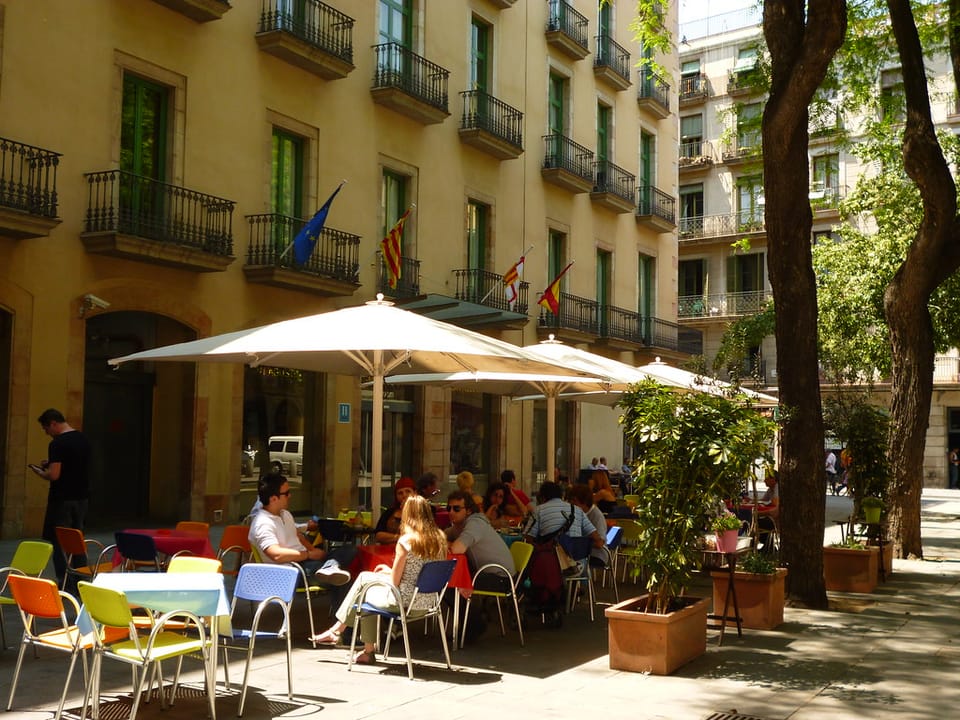
For restaurant operators, those conditions matter because they affect whether diners choose to stay in the area, return regularly or shift to quicker and cheaper options. The source reporting on the closures says restaurateurs are linking the gradual loss of customers both to new consumption habits and to the spread of fast-food establishments.
No official closure count was provided in the source material. But the combined complaints from the hospitality trade, local residents and the city ombuds office point to the same practical issue in Raval: a neighbourhood where commercial pressure, public-space deterioration and changing customer behaviour are all being felt at street level.
Reported by Jordi Palmer, Jordi Subirana, beteve.cat, barna.news, lavanguardia.com, Mary Martin, Rick Hynum, written by Kittisak Meepoon, Sara Santos Silva, fnb-x.com, channelnewsasia.com, thestandard.com.hk, sbr.com.sg, Sylvain Charlebois, lex18.com, Asia Daily, Metrópoli Abierta - Urban Life.