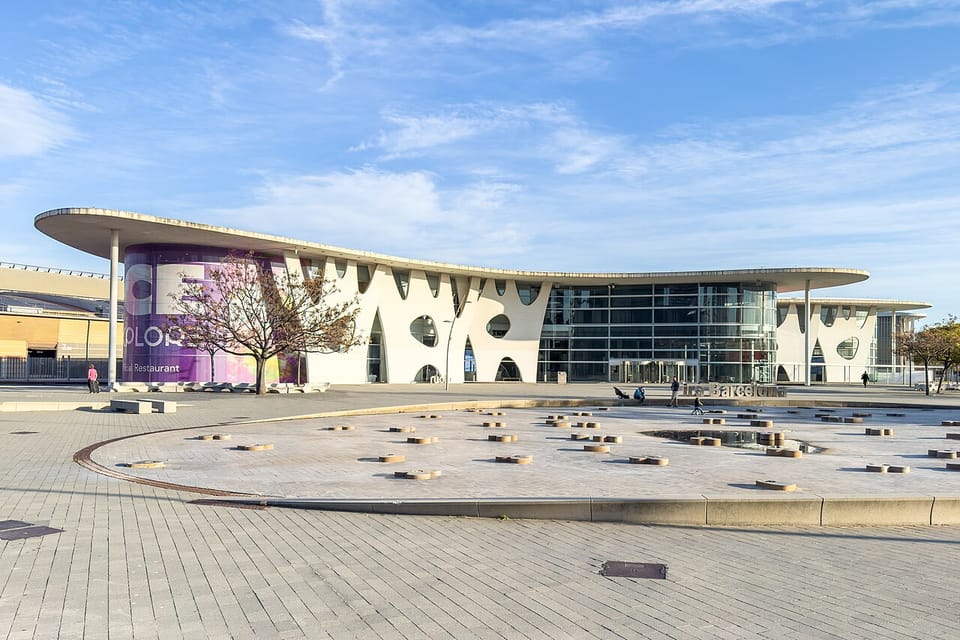
L'Hospitalet mayor David Quirós presented three of the city's biggest planned transformation projects to local businesses on Thursday 3 July at the Hotel Porta Fira, in an event organised by AEBALL, the Baix Llobregat and L'Hospitalet employers' association, as part of the Fòrum Empresarial del Llobregat. He focused on the undergrounding of part of the Gran Via, the BioClúster de la Granvia biomedical district around the Granvia area, and the Clínic-Biopol axis, a proposed corridor linking Barcelona and L'Hospitalet through new health, research and urban development.
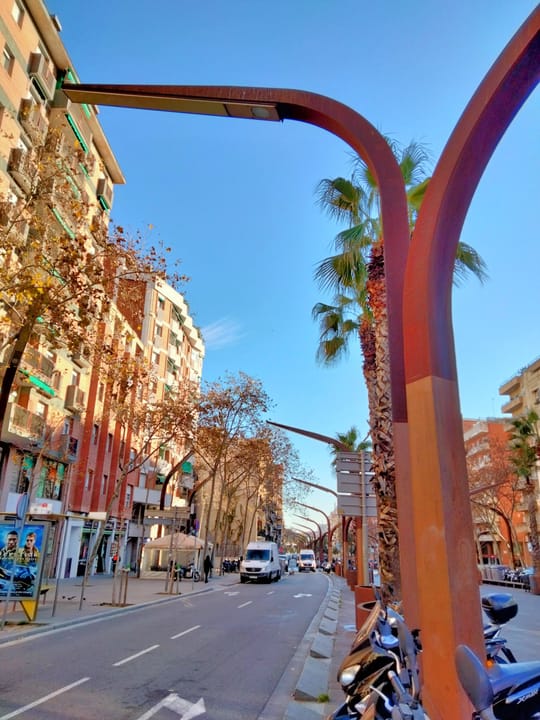
For businesses, the pitch was about future land use, research activity and access to one of the main gateways into Barcelona. For residents and commuters, the practical consequence is that the projects centre on the Gran Via corridor, one of the busiest routes through L'Hospitalet, and on a wider redesign that Quirós has said should create a large boulevard between Avinguda Diagonal and Gran Via.
"L'Hospitalet will have a great boulevard between Diagonal and Gran Via," Quirós said in an interview with EL PAÍS in February, describing the urban effect he expects from the Gran Via works.
That project is further ahead than the others in institutional terms. According to CatalunyaPress, President Salvador Illa and Quirós signed a financing agreement in December 2025 for the undergrounding of the Gran Via in L'Hospitalet. By contrast, the biomedical expansion linked to Hospital Clínic and the wider Clínic-Biopol axis remain part of the city's stated development strategy rather than a fully funded completed scheme.
Gran Via and biomedical plans dominate the business forum
The forum was designed to strengthen direct contact between the business community and the local administration. AEBALL describes the Fòrum Empresarial del Llobregat as a space for dialogue between company leaders, institutions and public officials, and the event placed Quirós in front of an audience of firms with a direct interest in future infrastructure and economic development.
The mayor's three headline projects were:
- Gran Via undergrounding, a long-planned intervention on the main road through southern L'Hospitalet, tied to the creation of new public space and a boulevard connection towards Barcelona.
- BioClúster de la Granvia, the biomedical and research district planned around the Granvia area, near existing facilities including Fira and hospital infrastructure.
- Clínic-Biopol axis, a proposed urban and health corridor linked to the planned expansion of Hospital Clínic, a major Barcelona hospital, into L'Hospitalet.
In an interview published by El Periódico on 18 February 2025, Quirós said the city would connect Barcelona "through the heart of L'Hospitalet" via the Clínic-Biopol axis. In a second El Periódico interview published on 2 July 2026, he defended the future biomedical pole in stronger terms, presenting it as a strategic bet for the city.
"We will be the centre of the world of health and wellbeing," Quirós said in that interview with El Periódico.
That claim reflects the council's ambition for the area. The underlying projects are at different stages, and not all of their funding, planning and delivery milestones have been confirmed publicly.
What is already agreed, and what is still at proposal stage
The clearest formal step so far is the Gran Via financing agreement signed in December 2025, according to CatalunyaPress. That matters locally because it moves the road project beyond political intent and into a funded agreement, at least in part, on a route that affects daily journeys in and out of L'Hospitalet.
The biomedical cluster is being promoted as a much broader economic transformation. Reporting by Metrópoli Abierta in April 2024 described the Granvia plan as one intended to create the largest biocluster in southern Europe, while L'Hdigital, the council's digital outlet, reported that Quirós had called for the BioClúster de la Granvia to be consolidated before the arrival of Hospital Clínic.
That sequencing is important. It suggests the council wants research, health and business infrastructure in place before the hospital expansion acts as a further catalyst for the area.
Business audience and next points of contact
The choice of venue and organiser underlined the audience. The event took place at Hotel Porta Fira and was hosted by AEBALL, which represents companies in Baix Llobregat and L'Hospitalet. Businesses wanting to follow future forums can check AEBALL, while residents tracking the urban side of the Gran Via and biomedical projects can follow updates through L'Hdigital.
AEBALL has also been widening its links with higher education. In June 2026, the Universitat Politècnica de Catalunya, or UPC, announced an agreement with the employers' association to connect university talent with company needs in Baix Llobregat and L'Hospitalet, a sign of the economic positioning that framed Thursday's forum.
Primary sources: upc.edu. Reported by Àlex Rebollo, Gerardo Santos, Alfonso L. Congostrina, metropoliabierta.elespanol.com, CatalunyaPress.es, lhdigital.cat, iempresa.com, Anunzia Solucions Tecnològiques, El Llobregat, europapress.es, viaempresa.cat, Tres Tristes Tigres, Redacción, Diana Silva, Cesc Maideu, J. G. Albalat, Metrópoli Abierta - Urban Life.