Your landlord has gone quiet about the fianza. The flat was fine when you left, the WhatsApps have stopped getting answered, and you are starting to write the money off.
Don't. In Catalonia the deposit usually is not sitting in the landlord's account at all, and the system is built to get it back to you. You just have to use it in the right order.
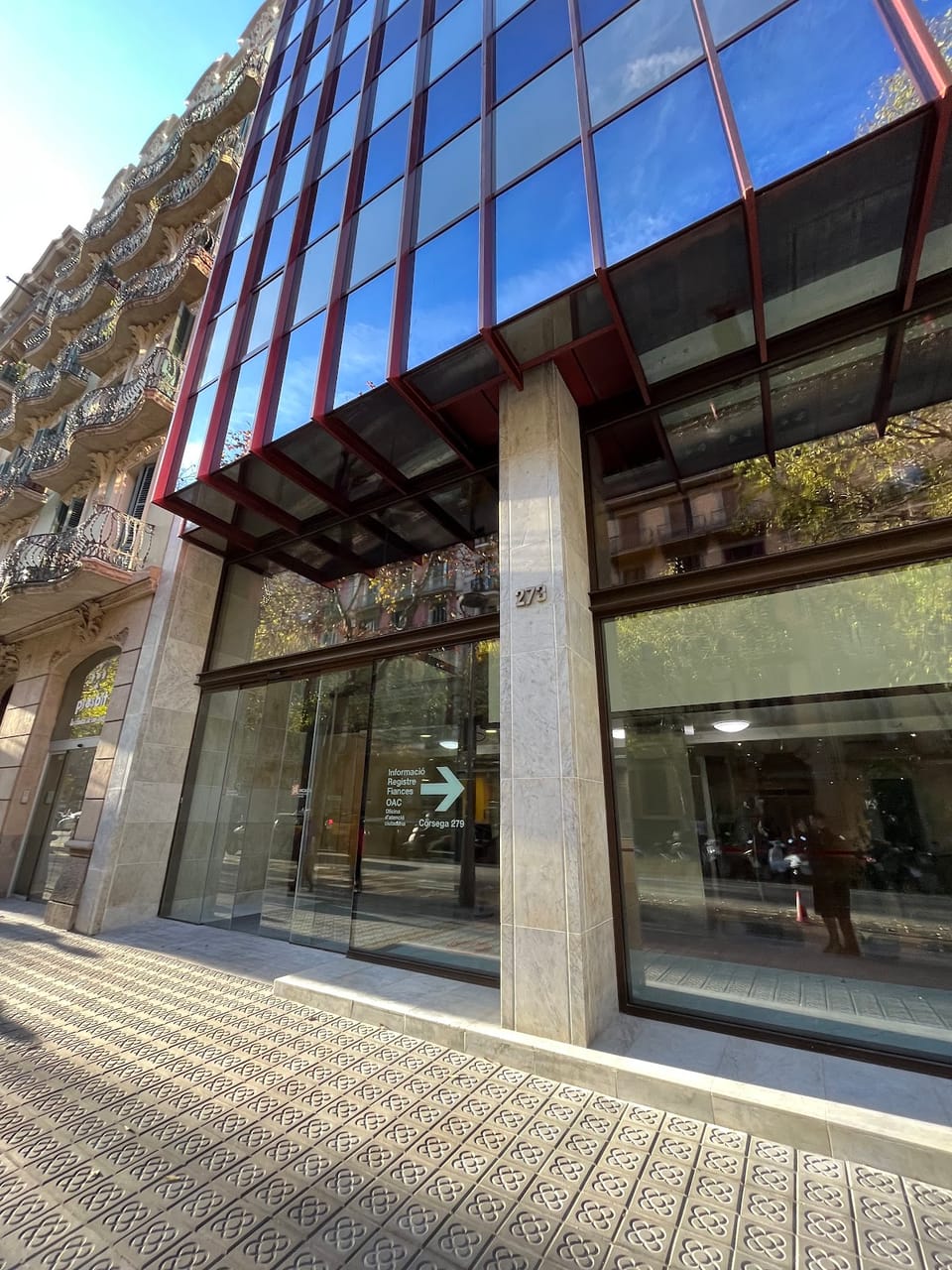
The 30-second answer. Check whether your deposit is registered with Incasòl, the Catalan public body that holds residential deposits by law. Take your contract and DNI/NIE (your Spanish ID or foreigner ID number) into an Agència de l'Habitatge office, or use the online portal. On file? The money exists, and your landlord cannot make it vanish. Not on file? They have been holding it illegally, and that is your leverage.
What Incasòl is, and why it changes everything
Most newcomers do not know this. Your deposit is not supposed to live with the landlord at all.
Under Llei 13/1996 and Spain's Ley de Arrendamientos Urbanos (LAU), a landlord has to lodge one month's rent as the legal fianza with Incasòl within two months of signing. Most do it inside 30 days. Ask for the receipt. A landlord who cannot produce one is already on the back foot.
The figure people get wrong: only that first month is the protected fianza. A landlord may ask for a garantia addicional on top, and LAU Article 36.5 lets that additional guarantee run to two months' rent, so three months in total is lawful on a standard home let. Beyond three months is not. If someone wants six months up front, walk away. That is the settled view in Barcelona's English-speaking community, usually learned the expensive way.
Two things follow from the Incasòl rule. Your legal deposit survives even if the landlord goes bankrupt or disappears, because a public administration is holding it, not them. And you can check, yourself, whether it was ever registered, whatever the landlord says. Contract and ID into an Agència office, or the portal, and they will tell you if the fianza is on file in your name.
If it is not, your landlord has been sitting on your money illegally for the length of the tenancy. That is a complaint in its own right under Incasòl's sanctions regime, and one sentence tends to work wonders: "Return my full deposit, or I report you for never lodging it with Incasòl." One caveat. Landlords sometimes claim a seasonal or room contract is exempt. Llei 11/2025 tightened exactly those temporary-rental dodges, so do not take their word for it. Ask the Agència.
The one-month rule
Memorise this clause. Article 36.4 of the LAU gives the landlord one month from the day you hand back the keys to return the deposit. Miss it, and the unpaid amount starts earning statutory legal interest on its own. You do not have to claim the interest. The law bolts it on.
That date is the spine of your case. It is when the clock starts, when a stalling landlord becomes legally in the wrong, and the figure you put in any written demand. Do not confuse it with the other timeline. Incasòl repays the landlord within roughly 21 working days of a proper return request, which is a separate process. So when a landlord tells you, four months on, that "Incasòl is slow", they almost certainly never filed the request. A two-minute call to the Agència settles it.
The handover, done properly
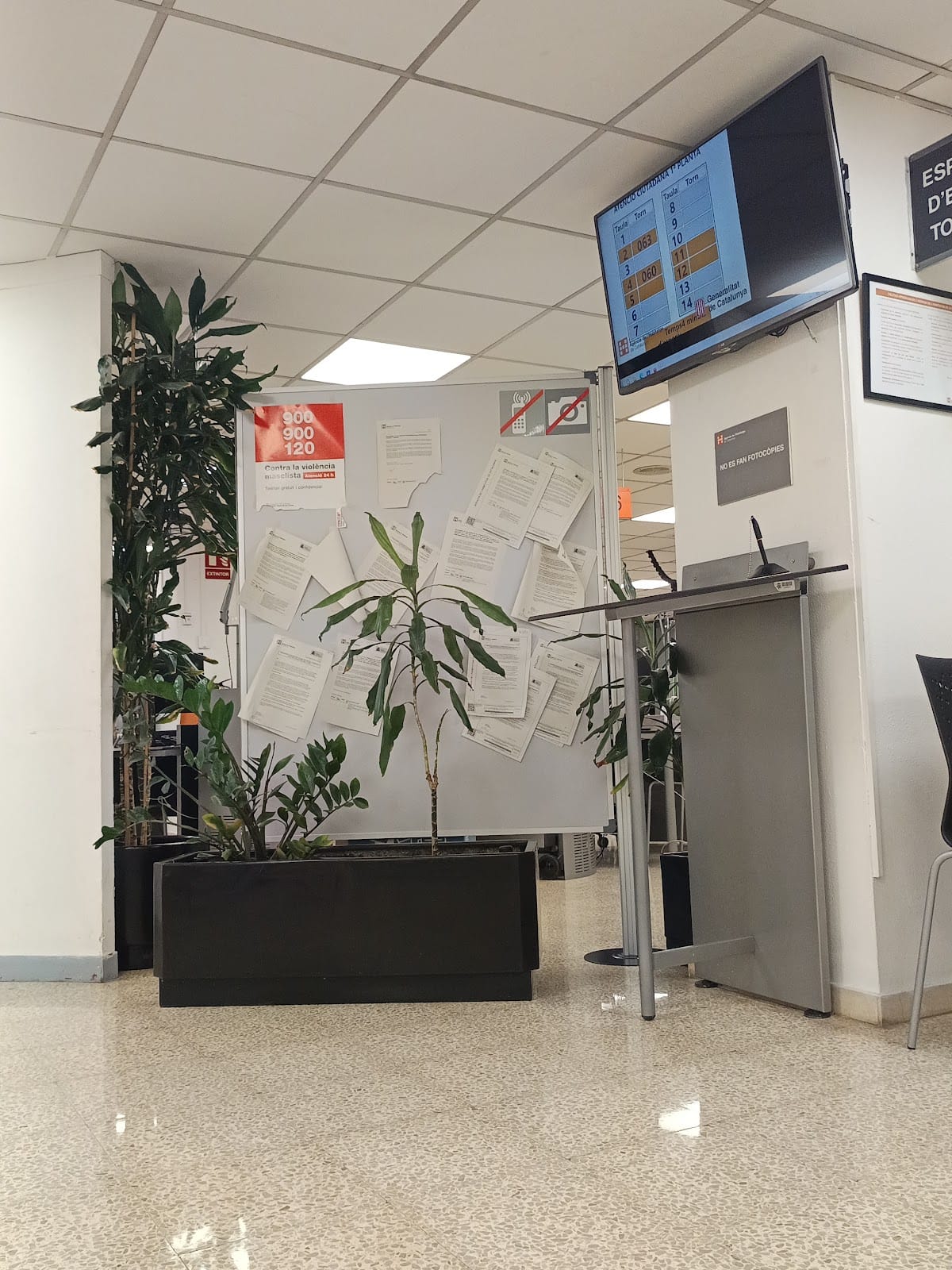
A little friction on the way out saves a great deal later. One rule beats all the others, and the community repeats it endlessly: do not give the keys back until the deposit is in your account, or you have seen the Incasòl release request stamped by the agency.
The sequence that works:
- Book the inventory check together.
- Walk the flat with the contract's check-in inventory in hand. Photograph every room, timestamp visible on the screen.
- Sign a short handover note listing the meter readings (electricity, water, gas) and the state of the flat. Both of you sign. Keep a copy.
- Hand the keys over when the deposit is on its way, not before.
- If the landlord swears it is coming but will not pay on the spot, set a written deadline. Email it. Keep the email.
Keys for cash, in writing. The people who hand the keys back on a promise and go chasing three months later are the ones who lose. So photograph everything: walls, taps, white goods, window frames, the grout. If the place was already scuffed when you arrived, you want move-in photos too. No move-in photos? Beg them off a former flatmate or the agency. In a fianza dispute, the pictures are what win it.
Fair deductions, and bogus ones
The law on wear and tear (desgaste por uso normal) is settled enough. Article 21 of the LAU puts everyday maintenance on the landlord and tenant-caused damage on the tenant. Routine repainting between tenants? The courts have said it over and over. Landlord's cost, not yours.
| What a landlord CAN deduct | What they CANNOT touch |
|---|---|
| Damage you caused that goes beyond normal wear and tear | Routine repainting between tenants (wear and tear, LAU art. 21) |
| Unpaid rent or utility bills that were yours under the contract | A cut because the next tenant negotiated a lower rent |
| A professional clean, but only if the contract says so or the flat is genuinely filthy | An "agency administration fee" for processing the move-out |
| Damage to fixtures or appliances clearly caused during your tenancy | Something that was already broken when you moved in (this is where move-in photos save you hundreds) |
When a landlord proposes a deduction, ask for the invoice. A real repair has a real factura with the contractor's CIF (their Spanish tax number) on it. "My cousin charged me €400 to clean it" is not an invoice, and it will not survive a hearing. Then the move that genuinely works: ask for before-and-after photos and an itemised bill, and offer to fix any real damage yourself, with your own tradesperson. Most chancers fold on the spot and return the lot.
One myth to bin. Online you will see the claim that if the landlord misses the 30 days you can "sue for triple". Not in Spain. That is a foreign rule, the UK has something like it. Here your remedy is the deposit plus statutory interest, and nothing more. Put "triple" in a written demand and you will only torch your own credibility.
The burofax, then court
One month gone, deposit still missing? Now you put it in writing.
Send a burofax, the Correos service that gives you certified, court-admissible proof of what you sent and when, through Correos's burofax page. Use the landlord's full legal name and the contractual address. Lay it all out: the flat, the contract dates, the deposit amount, the day you returned the keys, the day you asked for the money, and a hard deadline. Fifteen days is standard. Say plainly that if they miss it, you file for the amount plus interest and costs.
It runs about €30 to €40 (the current Correos tariff varies with length, so check). Cheapest serious threat in the Spanish system, because it is proof the landlord was formally warned. Plenty pay the day it lands. The next step is not a chat any more.
Best for, and when to wait. A burofax suits any staller, especially once you are holding photos and an Incasòl confirmation. Do not jump straight to court before you have made the demand in writing with a deadline. Judges want to see that you tried.
Still nothing? You file. And here is the correction to advice you will hear constantly: for a disputed deposit you generally cannot use the juicio monitorio, the fast-track payment order. That route is for "liquid" debts, fixed and undisputed. The second a landlord argues over deductions, the sum is no longer fixed, and courts throw out monitorio deposit claims as a matter of routine. The right track is the juicio verbal, the small-claims-style hearing, for housing claims up to €15,000 under the Ley de Enjuiciamiento Civil. Not sure which form fits your facts? The free advisors below will tell you.
The cost line that matters: under €2,000, you need no abogado (solicitor) or procurador (the court-registered filer), so you run it yourself. Over €2,000, both are compulsory. You file with the contract, the burofax acknowledgement, the photos, the emails, the Incasòl confirmation and the signed inventory. Win a clear, uncontested claim and you walk out with an enforceable order the court can turn on their assets.
Use the free help. The Sindicat de Llogateres (the tenants' union) and Càritas both prepare these claims for nothing. The Ajuntament's Oficina de l'Habitatge runs free rental advisors who go through your case in person, booked on the council website. There is also the full de reclamació at the Agència Catalana del Consum for a straight consumer complaint, though for a stuck deposit the housing advisors are quicker.
What most people miss
The recovery rate is far better than the doom on Facebook suggests. One condition: you paper-trailed it. Move-in photos, move-out photos, email confirmations, the Incasòl receipt, the signed inventory. A landlord who knows you have all of it, and has heard the word burofax, usually finds the money.
The ones who lose handed the keys back, took "the transfer is on its way" on trust, and chased it months later. There is a version of this the community watches on repeat: the landlord betting that a departing guiri (a foreigner leaving Spain) will not pursue a deposit from another country. Some do, and win. Far easier never to leave the gap. Tie the keys to the cash, in writing.
This is a practical guide built on Catalan and Spanish housing law as published by the authorities cited above. It is not legal advice, and a contested case can turn on contract details not covered here. If yours is complicated, the Oficina de l'Habitatge, the Sindicat de Llogateres, or a licensed abogado are the right next call.
Founder or freelancer in Barcelona?
Chasing a deposit, or about to sign for a new flat and want to avoid the same fight? This is exactly the sort of thing that gets answered fast by people who have been through it. Join the Barcelona English Speakers community, 4,000+ residents across 20+ free, moderated WhatsApp groups covering flat-hunting, neighbourhoods and daily life here. Ask your question and someone usually has the answer.