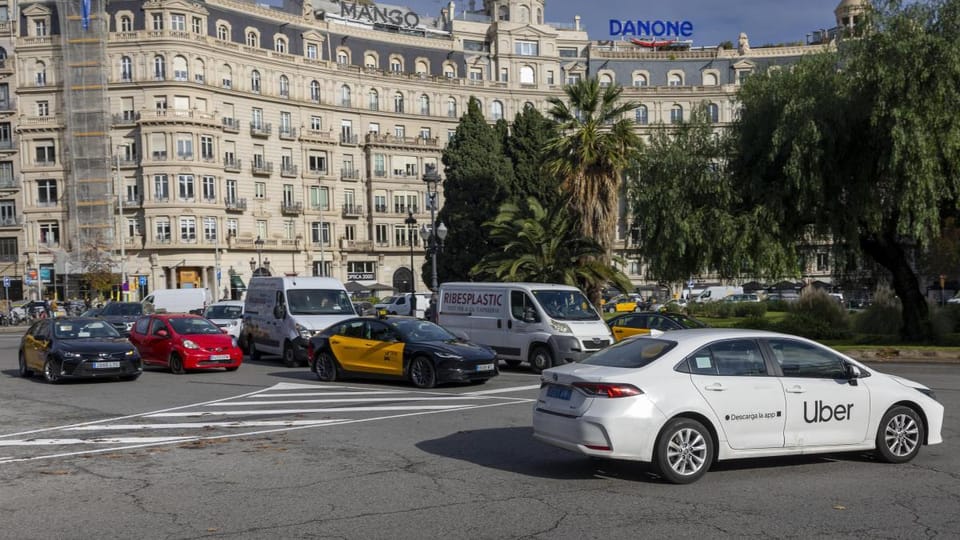
A proposed Catalan law, intended to regulate ride-hailing services in Barcelona's metropolitan area, has stalled. This delay plunges the Vehicle with Driver (VTC) sector into disarray. Thousands of VTC drivers and small business owners now face an uncertain future as many operating licences are set to expire.
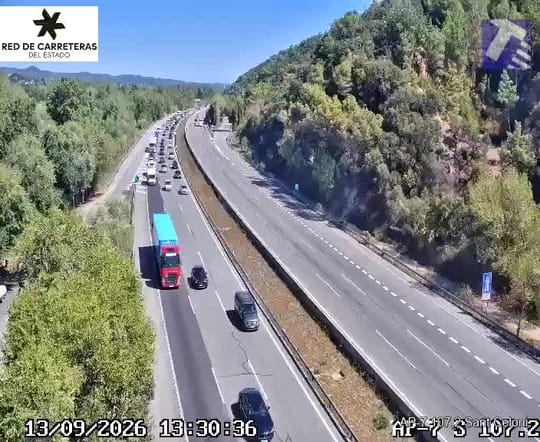
Hundreds of VTC drivers and small licence holders plan a slow march protest. They invested heavily in their businesses years ago. These drivers intend to block Barcelona's ring roads to demand action from politicians. Muhammad Bilal, representing the Aurora group of professionals, stated, "We want politicians to forget this law, to start again and to listen to us. So we are going to block the ring roads, as the taxi drivers did so many times. Let's see if they pay attention to us! All we want is to work."
The VTC sector reports growing chaos. Drivers claim regulations are so complex even police officers struggle to understand them. This confusion contributes to a surge in illegal operations, according to Catalan taxi law developments. Some unregistered vehicles now use foreign number plates.
The Generalitat de Catalunya, the Catalan government, has spent years attempting to regulate VTC activity. These efforts often follow intense pressure from the taxi sector. This latest proposal, known as the "Law of Passenger Transport in Vehicles of up to Nine Seats", aims to curb competition from apps like Uber, Bolt, and Cabify, according to Barcelona ride-hailing law impact. It updates a 2003 regulation, predating smartphones.
Alberto Álvarez, widely known as "Tito", founded Élite Taxi. He is a prominent figure in the taxi industry. He championed this proposal. Many refer to it as "Tito's Law" due to his long-standing advocacy. Last September, parliamentary groups including PSC, Junts, ERC, Comuns, and CUP backed the regulation.
Legal Hurdles Emerge
However, the law's legal strength is now under scrutiny. The Parliament of Catalonia recently sent the proposal to the European Commission (CE) for review. This mandatory step checks if the text contradicts European law. It applies especially when the text imposes obligations on digital platforms and intermediation systems.
Tito insists this review does not halt or alter the law. He warned, "This procedure neither paralyses nor modifies nor vetoes the taxi law. It is a test for the groups that promoted it. If PSC, ERC, Junts, Comuns and the CUP allow a non-binding opinion to be used to empty such a necessary norm, the taxi will not give them a single vote. We are bad enemies. If necessary, we will stop Catalonia." Élite Taxi has also threatened to block Barcelona's El Prat airport and other key access points if politicians delay further.
VTC Licences Expiring
The European Commission's response will take at least four months. If the CE determines the matter falls under broader European regulation, the delay could extend to 18 months. This uncertainty leaves the VTC sector in a precarious position. Most VTC licences permitting operation in the Barcelona metropolitan area will expire this year. This creates a regulatory limbo.
José Manuel Berzal, from Unauto, the Spanish VTC employers' association, described the situation as worsening chaos. He stated, "We are in chaos, and it will worsen. The State transferred powers to the communities to manage the sector in 2018. Time is up. Most licences that can operate in the metropolitan area will expire soon. We are going into a limbo. And this proposal is incompatible with European law." Berzal urged the law's withdrawal and a fresh start.
Impact on Drivers and Tourists
Romà Llort, representing VTC Gran Turisme de Catalunya, which operates 625 high-end vehicles, highlighted the widespread illegality. He explained, "Most VTCs operating in Barcelona are illegal. Of Catalonia's 4,000 licences, barely 900 have permission to work in the metropolitan area. But most of these permits will expire this year. All this is unleashing chaos. We cannot continue like this."
Llort also reported that police controls, intended to stop illegal operators, often target legitimate drivers. Officers frequently inspect vehicles for half an hour with clients inside, damaging the VTC companies' image. Fines, sometimes up to 4,000 euros, are issued for rules that even police struggle to interpret. This situation forces some legal VTC drivers to use white number plates. This makes their vehicles appear private and helps them avoid police stops.
A report from the Bosch i Gimpera foundation at the Universitat de Barcelona concluded the proposed law contradicts the jurisprudence of the Court of Justice of the European Union (CJEU). It predicts a costly conflict. This could potentially lead to millions in compensation payments from the Generalitat within five years. The Mobile World Congress earlier this year saw significant issues. This raises concerns about Barcelona's international image as a well-regulated city.
What Happens Next
The Parliament can continue its work while awaiting the CE's recommendations. However, deputies will need to consider these recommendations before a final vote. The legal challenges and the looming expiry of VTC licences mean the sector urgently needs a clear and legally sound regulatory framework. This clarity is critical for both VTC professionals and the millions of residents and tourists who use these services in Barcelona.
Come and join our Barcelona English Speakers community on WhatsApp.
Originally published by La Vanguardia Barcelona. Read original article.