Many of Barcelona’s weekend markets are operating against a legal deadline, with licences for street traders, second-hand stalls and other non-permanent sellers due to expire on Tuesday 7 October 2025, according to reporting by El Periódico based on municipal planning. For residents who rely on neighbourhood markets on Fridays, Saturdays and Sundays, that means some regular events could be affected from the autumn if the Ajuntament, Barcelona City Council, has not completed a new ordinance in time.
The issue affects non-sedentary trade, the term used for selling goods or services from stalls in public space rather than from a permanent shop or municipal market unit. That includes open-air street markets, many temporary weekend fairs and second-hand markets that need public-space licences to operate.
Why licences could run out in October
According to El Periódico, the current deadline stems from permits issued in 2010 and then automatically extended for 15 years, which takes many Barcelona licences to October 2025. The same report says the city is preparing a new Ordenanza reguladora de la venta de mercancías y la prestación de servicios de forma no sedentaria, the municipal ordinance that would regulate this kind of trading.
The paper reported that the draft has already gone through public consultation twice since it was first proposed in January 2024. Municipal sources quoted by the newspaper said the work timetable is intended to bring the rules into force within the current council term, but the article did not give a final approval date.
Municipal sources told El Periódico that “the work timetable has been set” so the new rules enter into force “within this mandate”.
The legal pressure comes from Catalonia’s Law on Commerce, Services and Fairs, approved by the Generalitat in 2017, together with a 2015 decree and a 2010 Catalan law on fiscal measures, according to the same report. In broad terms, those rules require councils to have a specific ordinance for non-sedentary trade and to grant licences lasting 15 years.
El Periódico also reported that the 2017 Catalan law states that if a municipality does not have its own specific rules, it is understood not to authorise this type of sale in publicly owned spaces. That is why the timing matters for traders and for people who attend regular open-air markets across the city.
Who is affected
The licensing issue does not apply to Barcelona’s permanent municipal markets in the same way. It affects traders who sell from temporary stalls in the street or in other public spaces, including itinerant market sellers, second-hand market operators and other small businesses trading without a fixed premises.
For shoppers, the practical consequence is straightforward: some weekend markets may face uncertainty from autumn 2025 if the new ordinance is not approved and processed in time. Anyone planning to attend a specific market should check directly with the organiser or with Mercats de Barcelona, the city’s official markets service, before travelling.
- Affected groups: stallholders, itinerant traders, second-hand sellers and organisers of non-permanent markets in public space.
- Not the same category: the city’s 43 municipal markets, which are covered by a separate long-term strategy.
- Key date: Tuesday 7 October 2025, when many extended licences are due to end.
What the city is doing on markets more broadly
Separately from the licensing problem for street markets, Barcelona City Council announced on 6 July 2026 a roadmap for Barcelona markets until 2036. That plan concerns the wider markets network rather than the specific October 2025 licensing gap for non-sedentary trade.
Barcelona’s official markets portal says the city has 43 municipal markets. A separate report cited in the source materials said Barcelona plans to invest €100 million over ten years to modernise those markets by 2031, although that figure comes from secondary reporting and not from the council roadmap itself.
The council’s visitor information also presents the municipal markets as a core part of local commerce and daily life. For readers trying to distinguish the two issues, the key point is that the current legal uncertainty concerns temporary public-space trading, not the basic existence of the municipal market network.
How to check whether a market is on
Because Barcelona’s weekend market listings change regularly, readers should verify each event close to the date. The weekly agenda compiled by betevé tracks upcoming markets, fairs and small festivals in the city, while official information on the municipal network is published by Mercats de Barcelona.
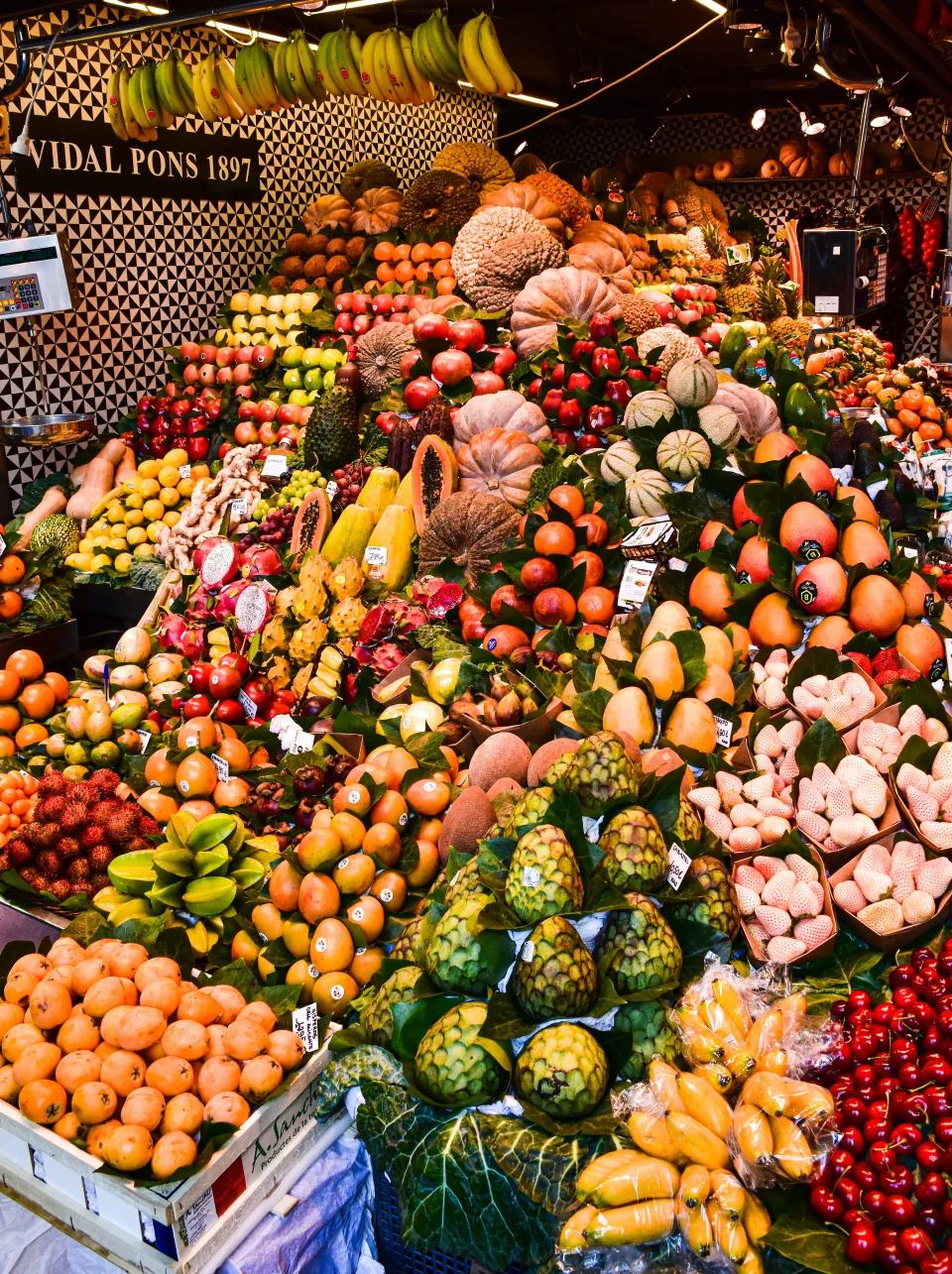
For Boqueria activities specifically, the market publishes its own schedule of events. If a market is held in public space and depends on temporary stall licences, attendees should expect possible changes if the city’s ordinance timetable slips. The fixed date named in the reporting remains 7 October 2025.
Primary sources: Barcelona City Council, ajuntament.barcelona.cat. Reported by Pau Lizana Manuel, Jordi Soler, phys.org, Sergi Llanas, meet.barcelona, boqueria.barcelona, beteve.cat, ebarcelona.net, irbarcelona.org, tresgatos.es, thisisbarcelona.com, barcelona-tourist-guide.com, betevé.