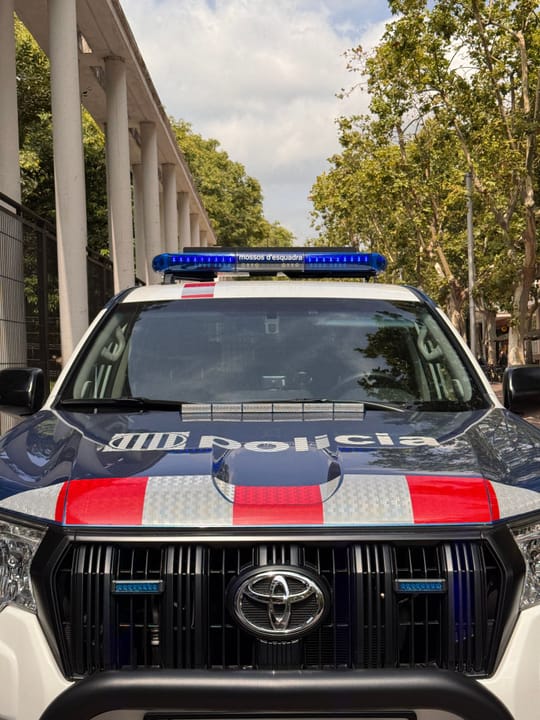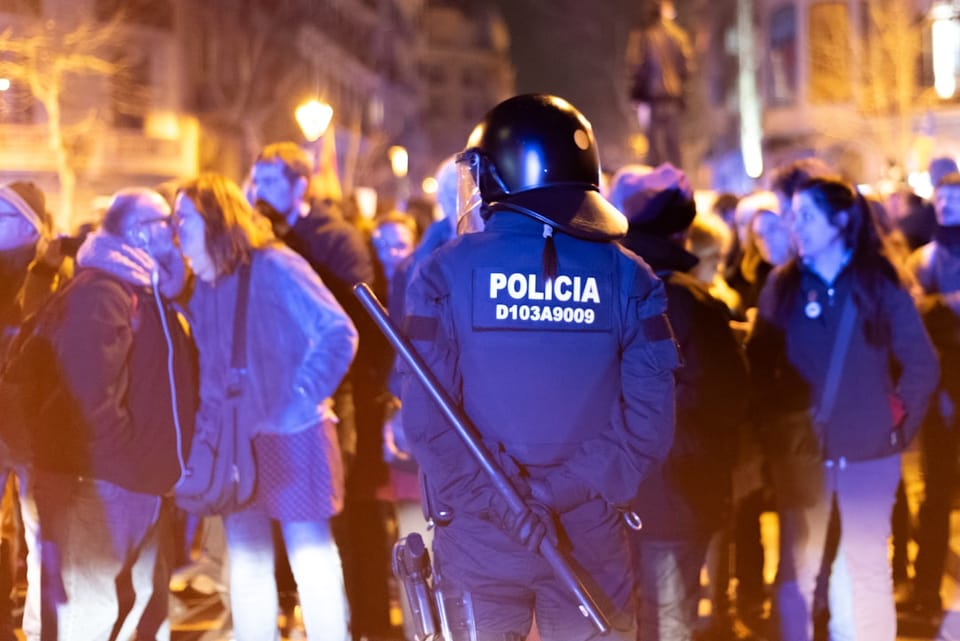
Barcelona City Council has approved the text of a new agreement between the Guardia Urbana, the city police, and the Mossos d'Esquadra, Catalonia's regional police, according to the Ajuntament de Barcelona. The new pact updates the coordination framework that has governed both forces since 2005.
For residents, the change matters because the agreement is intended to improve how the two police forces share information and work together in the city. Reports cited by the council say the revision focuses in particular on information systems, access to databases and use of video surveillance systems, areas that affect day-to-day policing, reporting of offences and joint operations across Barcelona.
Agreement replaces framework dating from 2005
According to Barcelona City Council's official announcement, the new agreement strengthens coordination between both police corps and updates a framework first put in place in 2005.
That year was the start of the Mossos d'Esquadra deployment in Barcelona. Reporting cited in the source material states that the regional police took on full powers in security, public order and criminal investigation in the city at 00.00 on 1 November 2005, while the Guardia Urbana remained the municipal force responsible for local policing in Barcelona.
- Guardia Urbana: Barcelona's municipal police force, responsible for city-level policing duties.
- Mossos d'Esquadra: Catalonia's regional police force, responsible for public security, public order and criminal investigation across the region.
- Current framework: signed in 2005 and now being updated.
The new agreement updates the framework in place since 2005 and strengthens the coordination between both police corps.
What the new text changes
The material provided by the Ajuntament does not set out the full wording of the agreement or a signing date, but it does state that the purpose is to bring the relationship between the two forces up to date. Additional reporting included in the verified sources says the practical changes centre on coordination tools that police already use, but which had not yet been fully set out in the written framework.
Those areas include:
- information systems used by both forces
- access to police databases
- coordination around video surveillance systems
For people living and working in Barcelona, that could mean closer day-to-day coordination between the officers who patrol neighbourhood streets and the regional police who handle wider security and criminal investigation responsibilities. The source material does not claim any immediate change to emergency numbers, police stations or how residents file complaints.
Political backing and next steps
Verified reporting in the source pack says the updated agreement has the support of Junts and was communicated to municipal groups after discussion in the bilateral Generalitat-Ajuntament commission. Gemma Aguilera reported that the city government said the agreement with the Interior department was already closed and pending only formal signature.
We ask for it to be completed and put into operation as soon as possible, also so that the Guardia Urbana gains new powers to improve the service it provides.
That quote was attributed in the verified source material to Jordi Martí Galbis, president of the Junts municipal group, who argued that the 2005 agreement responded to a very different urban and social reality from the one Barcelona faces today.
The official council announcement confirms the text has now been approved. The material supplied does not give the exact date for the final signature or the date the updated agreement will enter into force.
Primary sources: Ajuntament de Barcelona, Barcelona City Council, Ramon, Ajuntament de Barcelona. Reported by Ramon Suñé, Gemma Aguilera, Carlos Márquez Daniel.