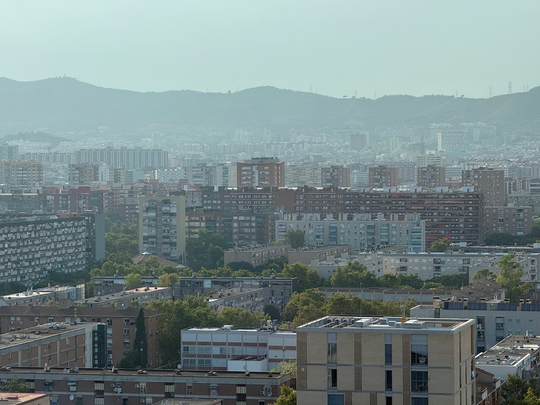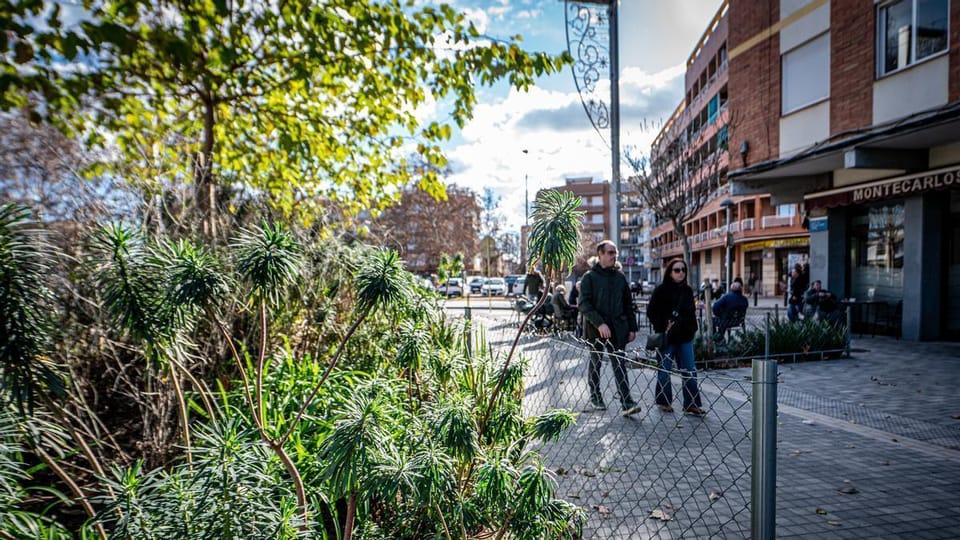
Barcelona is putting new green corridors at the centre of its next phase of growth, with the Barcelona Metropolitan Area (AMB) showing plans that link climate adaptation, public transport and housing across 36 municipalities.
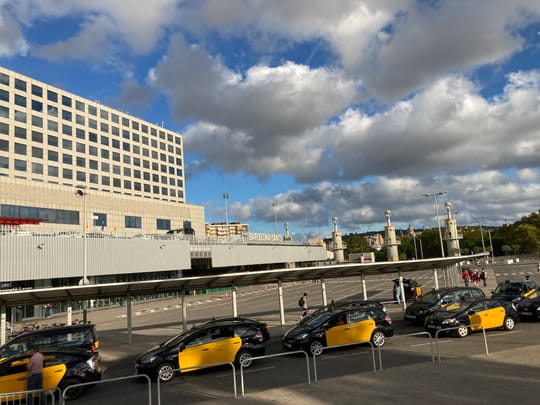
The exhibition, Immediate Future: Transforming Metropolitan Public Space, opened on 11 June at the former Drassanes terminal of the Port of Barcelona. It runs until 20 September, and is open from 11:00 to 19:00, Tuesday to Sunday. The AMB says the projects are meant to make the metropolitan area more sustainable and more connected.
At the opening, Jaume Collboni, Mayor of Barcelona and president of the AMB, said the exhibition’s architecture was important for the World Capital of Architecture 2026. He said it addresses extreme weather, decarbonisation and population growth in public spaces, and defended the AMB’s public space design as a model that combines architectural quality, climate adaptation and calmer streets and squares.
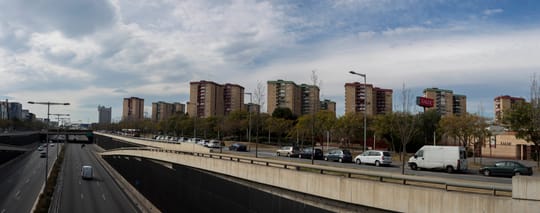
One of the main projects is the transformation of the B-23 motorway into a metropolitan corridor, which would continue Barcelona’s Diagonal Avenue towards the Llobregat. The plan is still at study stage, but the AMB says it would add specific lanes for public transport, reduce motorway lanes and create parks beside the infrastructure. You can read more about the planning framework in the Metropolitan Urban Master Plan.
The corridor would pass through Esplugues, Sant Just Desvern and Sant Joan Despí, and is expected to become one of the area’s new metropolitan centralities. The AMB says it would improve links between the University of Barcelona campus, the future Hospital Clínic and nearby innovation zones, while also freeing land for green axes, walkable routes, housing or offices. The authority says the wider road junction network in the metropolitan area takes up a surface similar to twice the size of the Eixample district, home to around 260,000 residents.
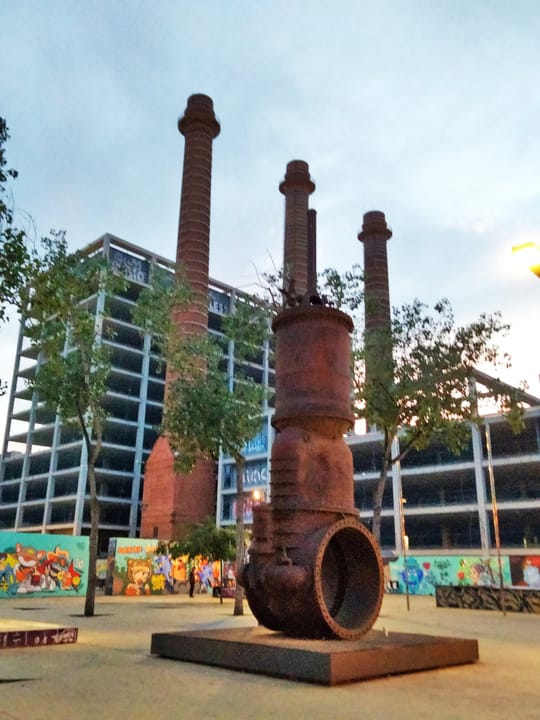
The exhibition also includes smaller projects already under way or due to start soon, including the recovery of the old farmhouse linked to poet Joan Maragall in the centre of Cornellà de Llobregat, and the planned naturalisation of L'Hospitalet’s Economic District south of Granvia. That scheme, which already has master plan approval, is expected to add more than 60,000 square metres of green space, along with more permeable ground and new rainwater harvesting systems. For more local coverage, see our Community and Sport pages.
The AMB recently approved a regulation to protect these future green axes. Gassull said the aim is not to turn cities into forests, but to adapt them, while keeping access for buses, ambulances, fire engines and private cars where needed.