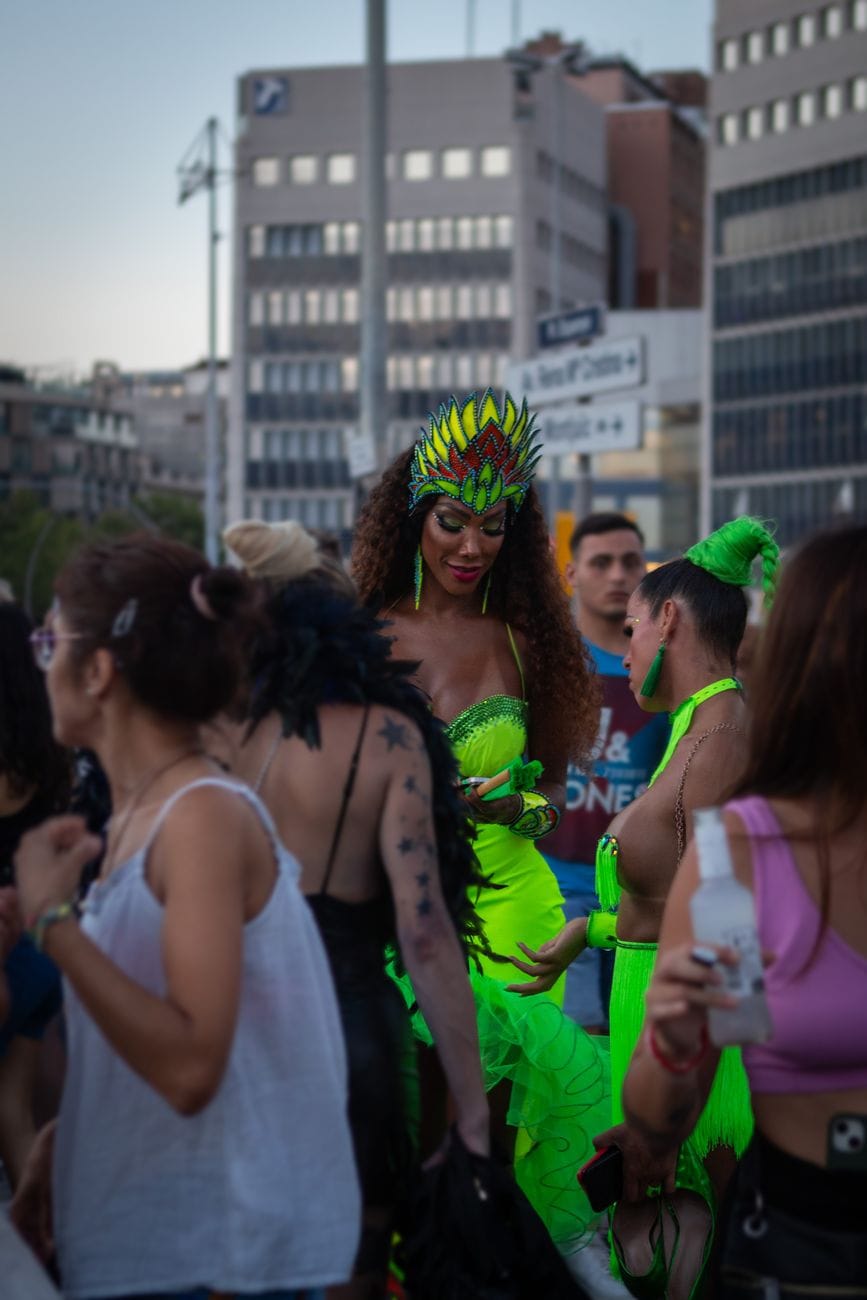
Barcelona’s 2026 festa major calendar is expected to stretch across the year, from the winter celebrations in Sant Antoni to the closing festivals in Sant Andreu, with almost 90 neighbourhood events listed by betevé. For residents, that matters well before each weekend programme is published, because these festivals often bring temporary street closures, changes to traffic, fire-run events, parades and crowded public spaces in the streets around home.
The Ajuntament de Barcelona, the city council, describes these local festivals as part of the city’s popular and traditional culture on its official guide to local festivals and popular culture. The official city listings do not appear to publish a single confirmed annual total for every neighbourhood celebration, so the figure of almost 90 should be understood as betevé’s aggregated count rather than an official city total.
For many people outside the city, La Mercè is the best-known festival in Barcelona. In practice, the annual calendar is far wider, with district and neighbourhood festas majors taking place across all 10 districts and bringing local programmes that can include concerts, communal meals, children’s activities, giants and big-head figures, human towers, fire runs and traditional parades.
In 2022, Barcelona’s Institut de Cultura de Barcelona, or ICUB, said the city had created a framework to strengthen and consolidate the right to popular and traditional cultural practices, including neighbourhood festivals.
That position was set out by ICUB in an official announcement about the city’s cultural framework for popular traditions and community practice, published by the Institut de Cultura de Barcelona press office.
Why the calendar matters for residents
Festival programmes are usually published closer to each event, not for the whole year at once. That means the calendar is most useful as an early planning tool for residents in streets near parade routes, squares used for concerts, and areas that host late-night events or pyrotechnic activities.
Families may want to check which day a children’s programme is scheduled. People with reduced mobility may need to confirm accessible viewing areas or route changes. Shop owners and drivers may need advance notice of road restrictions and temporary occupation of public space.
- Check the festival dates first, then the neighbourhood programme once it is published.
- Look for notices on street closures, fire-run routes and parade routes.
- Confirm start times and locations, because activities are often spread across several squares and streets.
- Review accessibility information where the district or festival organisers publish it.
Sant Antoni usually opens the cycle
According to betevé’s citywide calendar, Sant Antoni traditionally opens Barcelona’s annual neighbourhood festival cycle. The area’s celebrations are closely tied to the Tres Tombs procession, a long-running parade linked to Sant Antoni Abat and the blessing of animals.
Barcelona’s official popular culture site has a dedicated page on the Tres Tombs Infernals, while Info Barcelona, the city council’s news service, has also published a notice on the bicentenary of the Tres Tombs parade in Sant Antoni. The Guàrdia Urbana, Barcelona’s city police, separately noted the event in an official item about the Tres Tombs flag of honour.
For Sant Antoni specifically, the Ajuntament has also published an official notice on accessibility measures for the Festa Major de Sant Antoni. That is one of the clearest examples of why residents should not rely on the annual calendar alone: the date tells you when the festival is due, but the practical details arrive in separate notices much nearer the event.
Neighbourhood programmes vary sharply across the city
There is no single format for a festa major. Official district and culture pages show how different the programmes can be from one area to another.
- In Nou Barris, the Ajuntament highlights the district’s own festa major activities through its Cultura Popular service.
- In Poble-sec, official listings show another local programme with its own dates and activities.
- In La Marina, the Sants-Montjuïc district page details the district festival schedule across a longer run of dates.
That variation is the rule, not the exception. Some festivals are centred on one weekend. Others run across several weeks, with separate cultural, family and music events. Residents who assume every festa major follows the same pattern can easily miss route changes, timetable changes or the most heavily attended evenings.
What to use to check your area
The most reliable official starting point is Barcelona’s local festivals and popular culture guide, followed by the relevant district and neighbourhood pages on barcelona.cat as each programme is announced. Betevé’s citywide calendar is useful for the broad annual timetable, especially if you want a quick overview of when your neighbourhood’s festival is likely to take place.
For residents, the practical approach is simple:
- Use the betevé calendar to identify the expected month or dates.
- Then check the relevant official pages on barcelona.cat for the final programme, route notices and district updates.
- If you live near Sant Antoni events, review the published accessibility and event notices before the festival weekend.
Based on betevé’s aggregated listing, the city’s festa major cycle traditionally begins in Sant Antoni and ends in Sant Andreu, but the final schedules that affect residents are confirmed festival by festival on official city channels.
Primary sources: barcelona.cat, ajuntament.barcelona.cat. Reported by premsaicub.bcn.cat, barcelonaexpatlife.com, barcelona-life.com, Admin, El Periódico, Jon Taylor, hatbarcelona.com, locabarcelona.com, betevé.